Friday, July 31, 2026

Best Trekking Experiences and Top National Parks in Chiang Mai Including Pha Daeng National Park
Best Trekking Experiences and Top National Parks in Chiang Mai Including Pha Daeng National Park
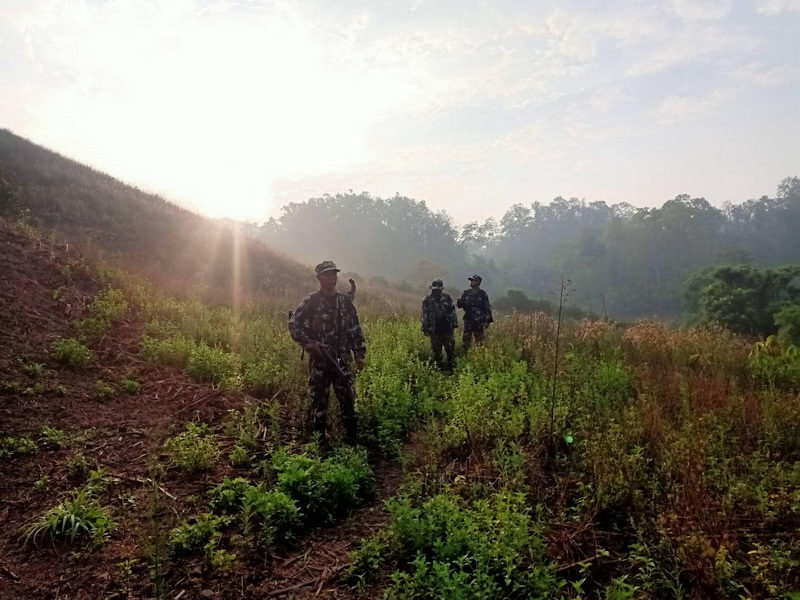
Four individuals in camouflage walking through grassy hillside at dawn or dusk at Pha Daeng National Park.
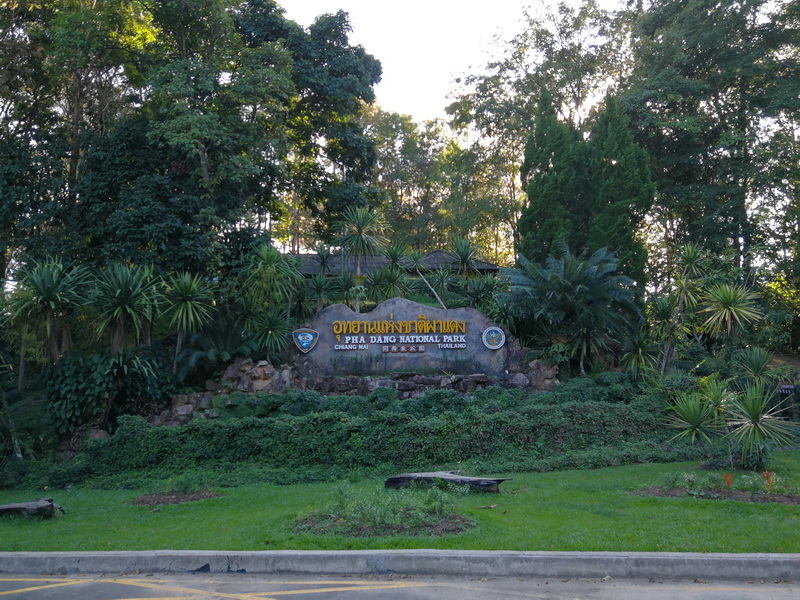
Park entrance sign on a rock with surrounding greenery and trees at Pha Daeng National Park.
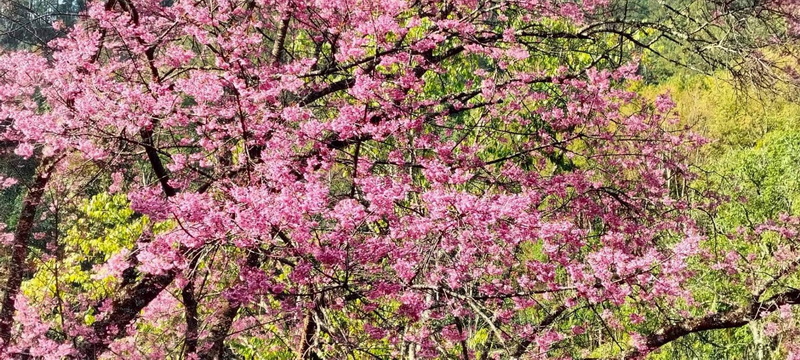
Tree with pink blossoms and green leaves in a natural setting at Pha Daeng National Park.

Discover quality trekking trails and natural wonders in Chiang Mai’s premier national parks with a focus on Pha Daeng National Park and nearby attractions
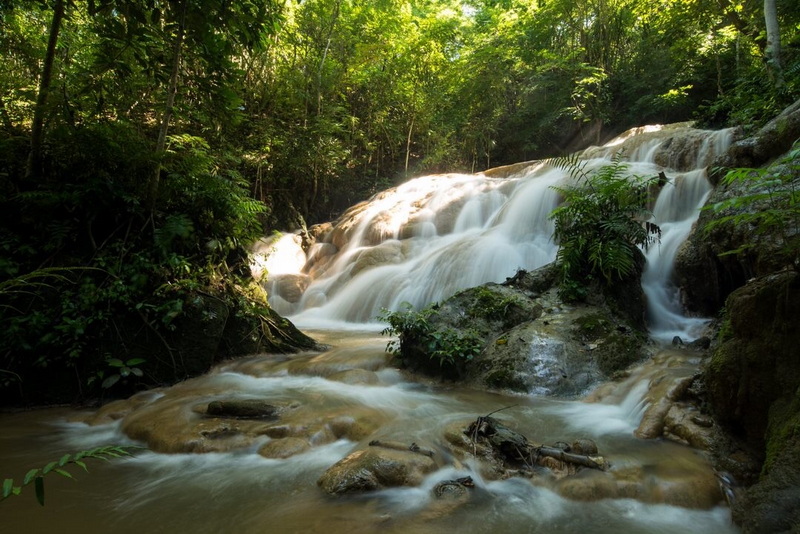
Water flows over rocks in a dense, green forest setting at Pha Daeng National Park.

Chiang Mai Province is renowned for its diverse trekking opportunities that blend rich natural landscapes with cultural heritage. Among the many destinations, Pha Daeng National Park stands out as a top choice for travelers seeking immersive trekking experiences in Northern Thailand. This park offers a unique combination of challenging trails, abundant biodiversity, and tranquil natural settings that cater to both seasoned trekkers and those looking for a rewarding outdoor adventure. In this guide, we explore the best trekking experiences within Pha Daeng National Park alongside other top national parks in Chiang Mai. The region’s well-preserved forests, mountainous terrain, and cultural sites provide a compelling backdrop for trekking enthusiasts. Additionally, nearby attractions such as Tham Chiang Dao add depth to the trekking itinerary, offering visitors the chance to experience breathtaking caves and local ecological wonders. Whether you are consulting a Chiang Mai Province Travel Guide or planning your next trekking adventure, understanding the trail quality, difficulty, and natural highlights of these parks will help you prepare effectively. This article aims to inspire confidence and excitement for travelers eager to explore the top national parks in Chiang Mai, with Pha Daeng National Park as a central destination.

Trekking Quality and Trail Options in Pha Daeng National Park
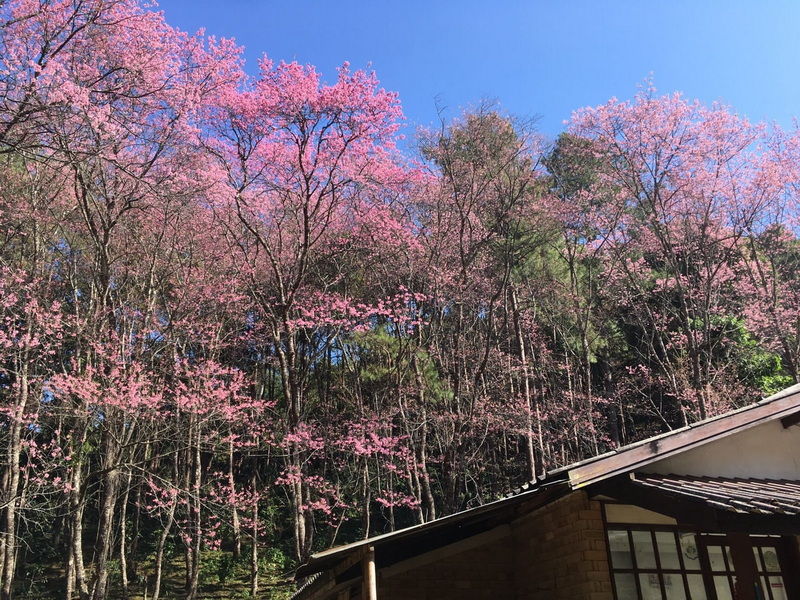
Cherry blossom trees in full bloom with a wooden building below and a clear blue sky at Pha Daeng National Park.

Pha Daeng National Park is celebrated for offering some of the best trekking in Chiang Mai, with trails that vary in length and difficulty. The park’s terrain ranges from gently rolling hills to more demanding mountainous sections, providing options suitable for beginners as well as experienced trekkers seeking a challenge. Trails are well-marked and traverse dense jungle, open forest clearings, and riverside paths, allowing trekkers to experience diverse environments within a single journey.

One popular route leads to viewpoints overlooking the lush valleys and distant mountain ranges, rewarding hikers with panoramic vistas that capture the park’s expansive natural beauty. The trails often intersect with streams and waterfalls, making them ideal for rest stops and nature observation. Trekking in Pha Daeng National Park also offers opportunities to spot native wildlife, including various bird species and forest mammals, enriching the trekking experience with encounters of local biodiversity.

The park’s trail system emphasizes sustainable trekking, encouraging visitors to respect the fragile environment and local hill tribe cultures. This focus ensures that trekking remains a responsible activity, preserving the park’s natural and cultural integrity for future visitors.

Natural and Cultural Highlights of Pha Daeng National Park

Pha Daeng National Park is not only a trekking destination but also a region rich in natural and cultural heritage. The park’s dense forests are home to a variety of flora, including towering teak and bamboo groves, which create a serene atmosphere along the trails. Seasonal wildflowers add bursts of color, while the sound of flowing water and bird calls enhances the immersive nature experience.

Culturally, the park lies within the traditional territories of local hill tribe communities. While trekking, visitors may observe traditional farming methods, local crafts, and small villages that reflect the harmonious relationship between people and nature. It is important for trekkers to approach these cultural encounters with respect and sensitivity, avoiding exoticizing or intrusive behavior.

The park also contains several natural landmarks, such as waterfalls and caves, which serve as points of interest along trekking routes. These features provide insight into the geological history of the region and opportunities for educational exploration during the trek.

Practical Tips for Trekking in Chiang Mai’s National Parks

Preparation is key to enjoying trekking in Pha Daeng National Park and other top national parks in Chiang Mai. Trekkers should equip themselves with appropriate footwear, lightweight clothing suitable for tropical mountain climates, and sufficient water and snacks. Weather conditions can change rapidly, so packing rain gear and layers is advisable.

Navigational aids such as maps or GPS devices can enhance safety, although many trails are well-marked. Hiring a local guide is recommended for those unfamiliar with the area, as guides provide valuable knowledge about trail conditions, flora, fauna, and cultural contexts.

Respect for the environment is paramount. Trekkers should follow Leave No Trace principles by carrying out all waste, staying on designated trails, and refraining from disturbing wildlife or local communities. Understanding and respecting local customs, especially within hill tribe areas, helps foster positive interactions and preserves the cultural landscape.

Timing your trek is also important; the cool season from November to February offers the most comfortable trekking weather with less rainfall and moderate temperatures. Avoiding the hot and rainy seasons can improve the trekking experience and reduce risks associated with slippery trails and insects.

Exploring Top National Parks in Chiang Mai Beyond Pha Daeng

While Pha Daeng National Park offers exceptional trekking, it is part of a broader network of protected areas that make Chiang Mai a trekking haven. Other top national parks in the region feature equally captivating landscapes and trail systems. These parks provide a variety of trekking experiences, from dense jungle paths to highland routes with spectacular views.

Chiang Mai’s national parks are well-regarded for their biodiversity and conservation efforts, offering trekkers a chance to witness rare plant species and wildlife in their natural habitats. Many of these parks also preserve important cultural sites, including ancient temples and historic communities, enriching the trekking journey with cultural depth.

For travelers using a Chiang Mai Province Travel Guide, incorporating multiple parks into a trekking itinerary can create a richer, more varied experience. Each park’s unique characteristics complement the others, allowing trekkers to explore different ecosystems and cultural settings throughout their visit.

Nearby Attractions

Tham Chiang Dao
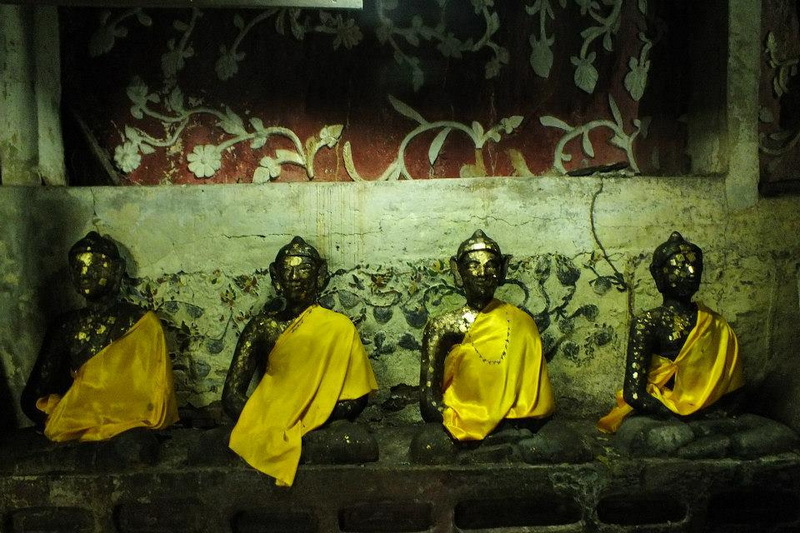
Four black statues with gold details draped in yellow cloth, seated in a temple scene at Tham Chiang Dao.

Located near Pha Daeng National Park, Tham Chiang Dao is a renowned cave system that attracts visitors interested in geology and natural wonders. The cave extends deep into the limestone mountain and features impressive stalactites and stalagmites, along with underground chambers that create an otherworldly atmosphere.

Trekking to and exploring Tham Chiang Dao offers a unique contrast to forest trekking, providing an opportunity to experience subterranean landscapes and learn about the region’s geological formation. The surrounding area also supports diverse wildlife and plant species, making it a valuable addition to any trekking itinerary in Chiang Mai.

Pha Daeng National Park

Pha Daeng National Park itself is a highlight destination for trekking enthusiasts visiting Chiang Dao Chiang Mai. The park’s extensive trail networks and natural features make it a standout choice for those seeking quality trekking experiences in Northern Thailand.

Visitors to the park can immerse themselves in its rich biodiversity, enjoy scenic viewpoints, and discover culturally significant sites within the park boundaries. The park’s commitment to conservation and sustainable tourism helps preserve its pristine environment, ensuring that trekking here remains a memorable and respectful experience.

Planning Your Visit

Exploring Pha Daeng National Park and its neighboring attractions offers trekkers an enriching blend of natural beauty, cultural insights, and quality trail experiences. By preparing thoughtfully and approaching the region with respect for its environment and communities, travelers can enjoy some of the best trekking in Chiang Mai. Whether you are drawn to panoramic mountain views, dense jungle paths, or intriguing caves, this area provides a diverse and inspiring outdoor adventure. Use this guide to plan your journey through Chiang Mai’s top national parks and embrace the rewarding challenges and discoveries that await on the trails.

Thursday, July 30, 2026

Chiang Dao Day Trip Trekking and Village Homestay Experiences at Ban Yang Pu Toh

Chiang Dao Day Trip Trekking and Village Homestay Experiences at Ban Yang Pu Toh

Discover immersive day trekking and authentic village homestays in the heart of Chiang Dao’s natural and cultural landscape

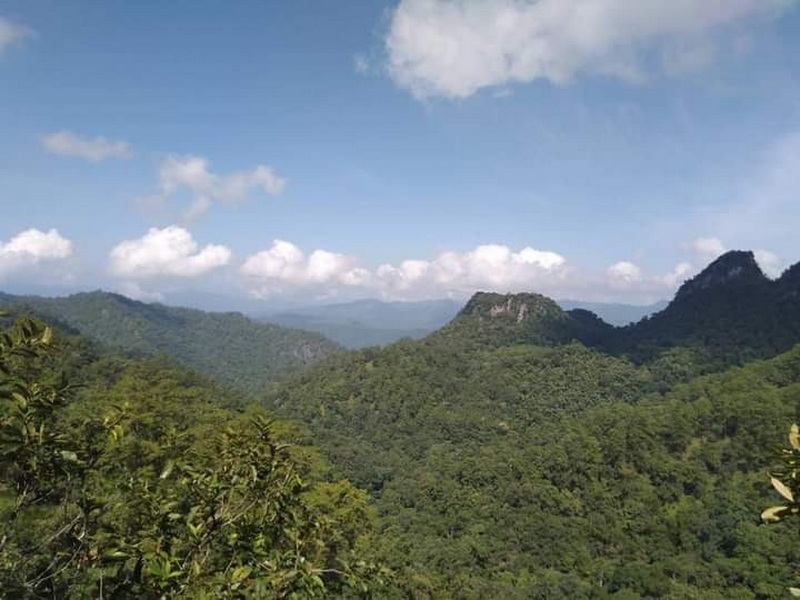
Wide view of green mountains with blue sky and clouds above at Ban Yang Pu Toh.

For travelers seeking a meaningful escape from the city bustle, a Chiang Dao Day Trip Trekking From Chiang Mai offers an enriching blend of nature and culture. Nestled in the verdant mountains of northern Thailand, Ban Yang Pu Toh is a village that invites visitors to slow down and engage deeply with local life while exploring scenic trekking routes. This destination is not only known for its lush jungle trails but also for its authentic Chiang Mai Village Homestay experiences that foster genuine cultural exchange. Ban Yang Pu Toh provides a unique opportunity to witness traditional ways of life, participate in community activities, and enjoy the tranquility of rural Chiang Dao. The trekking paths around the village traverse diverse landscapes, from dense forests to terraced hillsides, making it an ideal day trip for those interested in outdoor adventure combined with cultural immersion. Alongside the village’s charm, nearby natural attractions enhance the experience, offering further exploration possibilities for nature enthusiasts. This article guides you through the essentials of planning a day trip trekking tour to Ban Yang Pu Toh, highlighting its village homestay culture, the trekking environment, and nearby natural wonders. It aims to equip travelers with practical insights and respectful cultural understanding to make the most of their visit to this captivating part of Chiang Mai province.

Exploring Day Trip Trekking Routes Around Ban Yang Pu Toh

The trekking routes accessible from Chiang Mai to Ban Yang Pu Toh are well-suited for day visitors who want to experience the region’s natural beauty without committing to multi-day expeditions. These trails wind through a diverse ecosystem, showcasing the rich flora and fauna of the Chiang Dao area. The terrain is moderate, making it accessible to trekkers of varying fitness levels, though some sections may require careful footing due to uneven jungle paths and occasional steep inclines.

Starting from the village, trekkers can follow trails that lead into the surrounding forests, passing through rice terraces, bamboo groves, and small streams. The natural environment here is relatively undisturbed, providing a peaceful atmosphere and opportunities to spot local birdlife and native plants. Along the way, interpretive signs and local guides often share insights into the ecosystem and traditional uses of plants, enriching the trekking experience.

The day trip trekking routes are designed to balance adventure with cultural interaction, often incorporating visits to community farming areas and traditional craft sites. This allows visitors to connect with the daily rhythms of village life while enjoying the physical challenge and scenic rewards of trekking in northern Thailand’s mountainous landscape.

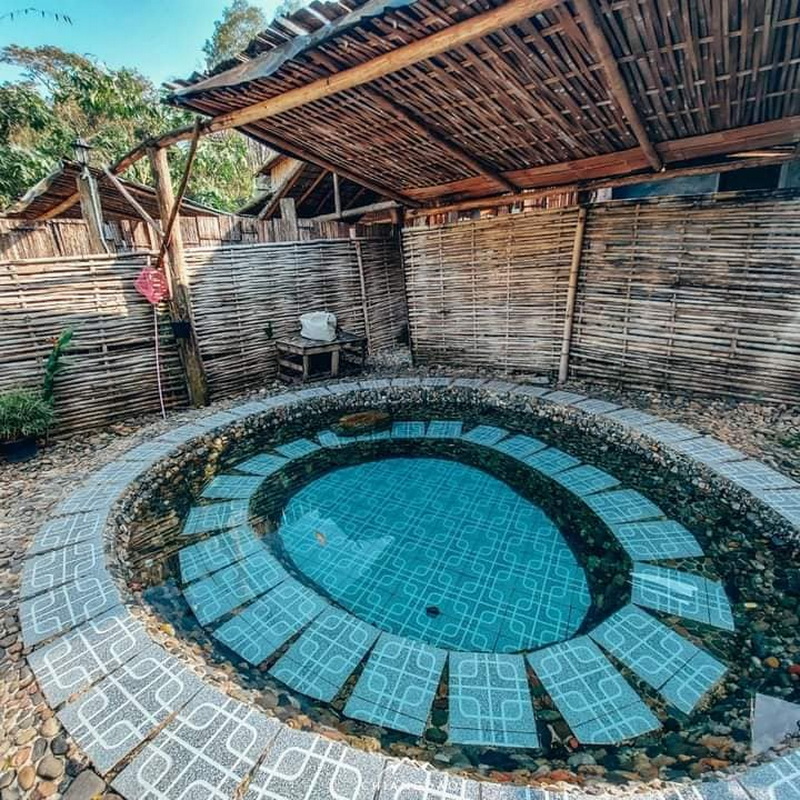
Small circular tiled pool with bamboo fencing and wooden roof in a relaxing setting at Ban Yang Pu Toh.

Immersive Village Homestay Experiences at Ban Yang Pu Toh

One of the most compelling aspects of visiting Ban Yang Pu Toh is the authentic village homestay experience. These homestays are family-run and provide a window into the customs, traditions, and hospitality of the local community. Staying overnight or even spending part of the day at a homestay allows travelers to observe and participate in daily activities such as cooking traditional northern Thai dishes, weaving, and farming.

The homestay hosts are typically members of ethnic hill tribes or local villagers who maintain ancestral ways of living while adapting to sustainable tourism practices. Visitors are encouraged to approach these interactions with respect and openness, recognizing the importance of preserving cultural dignity and privacy. The homestay experience is more than accommodation; it is a cultural exchange that benefits both hosts and guests through mutual understanding and support.

Meals during the homestay are prepared using fresh, local ingredients, often sourced from village gardens and farms. This not only offers a taste of authentic northern Thai cuisine but also highlights the village’s connection to the land. Participating in communal activities such as rice planting or traditional handicraft workshops can deepen appreciation for the community’s heritage and daily challenges.

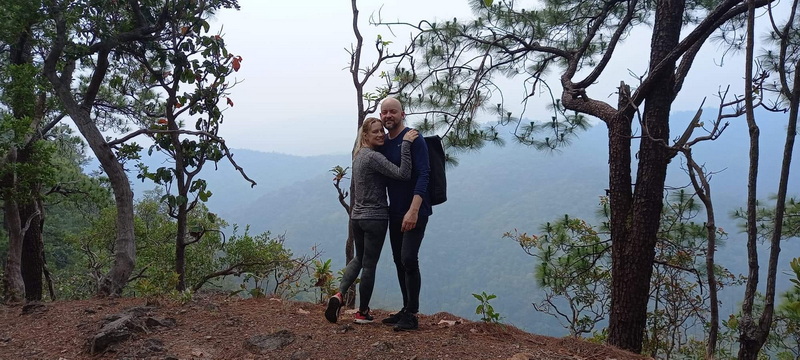
Couple standing on trail amid trees with mountain scenery behind them at Ban Yang Pu Toh.

Overall, the homestay culture at Ban Yang Pu Toh reflects an ethical and community-based approach to tourism, where visitors contribute to local livelihoods while gaining meaningful insights into rural Thai life.

Things To Do In Chiang Mai Region During Your Day Trip

Beyond trekking and homestays, the Chiang Mai region surrounding Ban Yang Pu Toh offers a variety of activities that complement a day trip itinerary. The area is known for its rich cultural heritage and natural attractions, providing visitors with diverse options to explore.

Visitors can engage with local markets in Chiang Dao town, where fresh produce, handmade crafts, and traditional foods are abundant. These markets offer a lively atmosphere and a chance to observe daily life in northern Thailand’s rural towns. Additionally, cultural sites such as small temples and community centers in and around the village provide insight into regional religious practices and architecture.

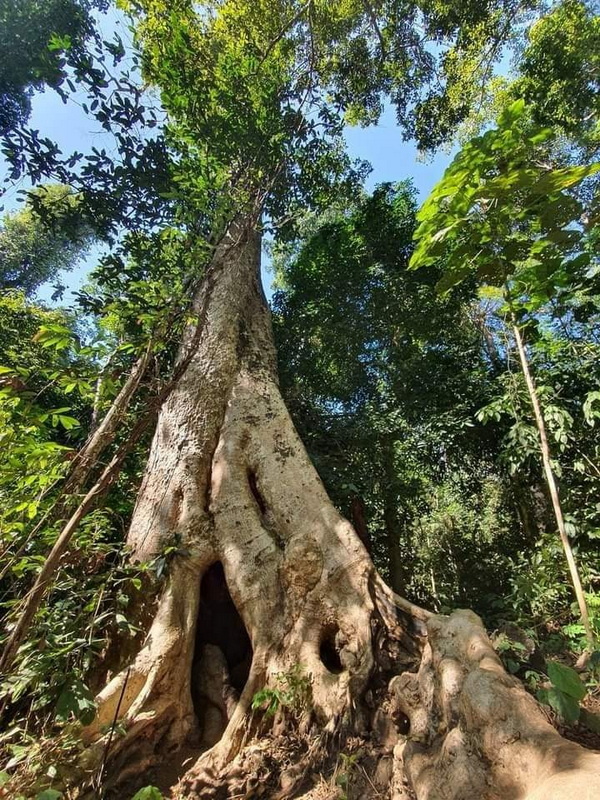
Ancient tree with hollow openings surrounded by lush greenery in a forest at Ban Yang Pu Toh.

For those interested in further exploration, gentle cycling routes around the village and nearby areas offer scenic views and opportunities for casual sightseeing. Photography enthusiasts will find the interplay of natural light and rustic village scenes especially rewarding.

Moreover, educational workshops on sustainable agriculture and conservation practices may be available, reflecting the community’s commitment to ecotourism and environmental stewardship. These activities enrich the visitor experience by connecting cultural knowledge with contemporary ecological concerns.

Nearby Attractions

Tham Chiang Dao

Four seated statues with yellow drapes against a patterned wall at Tham Chiang Dao.

Tham Chiang Dao is a remarkable limestone cave complex located near Ban Yang Pu Toh, renowned for its impressive stalactites and stalagmites formations. The cave system is one of the longest and most accessible in northern Thailand, attracting visitors interested in geology, natural history, and spiritual heritage. Exploring the cave provides a cool, mysterious contrast to the tropical heat outside and offers a glimpse into the geological processes shaping the region.

The area surrounding Tham Chiang Dao also supports a rich biodiversity, making it a favored spot for nature walks and birdwatching. Visitors often combine a trek or homestay in Ban Yang Pu Toh with a visit to this natural wonder to round out their day trip experience.

Pha Daeng National Park

A sign for Pha Daeng National Park surrounded by greenery and trees.

Pha Daeng National Park lies in close proximity to Ban Yang Pu Toh and is celebrated for its dramatic mountain landscapes, dense forests, and diverse wildlife. The park’s trails offer opportunities for more extensive trekking and nature observation, including viewpoints that overlook the valleys and peaks of the Chiang Dao mountain range.

For travelers on a day trip, the park provides an ideal setting to experience northern Thailand’s natural beauty beyond the village environment. Its protected status ensures that visitors can enjoy pristine ecosystems and engage with conservation efforts that preserve the region’s environmental heritage.

Planning Your Visit

Ban Yang Pu Toh stands as a meaningful destination for those wishing to combine physical adventure with cultural depth on a Chiang Dao Day Trip Trekking From Chiang Mai . Its well-preserved natural surroundings and welcoming village community create the perfect setting for immersive experiences that respect and celebrate local traditions . By engaging thoughtfully with the trekking routes and village homestays , travelers not only enjoy the scenic and cultural richness of northern Thailand but also contribute positively to the sustainability of the region . This balance of exploration and ethical engagement distinguishes Ban Yang Pu Toh as a must-consider option for travelers seeking Things To Do In Chiang Mai that go beyond conventional sightseeing . The nearby attractions of Tham Chiang Dao and Pha Daeng National Park further enhance the appeal , offering additional layers of natural wonder to complement the village’s cultural offerings .

Wednesday, July 29, 2026

Chiang Dao Cave Guided Tours and the Beautiful Caves in Chiang Mai

Chiang Dao Cave Guided Tours and the Beautiful Caves in Chiang Mai

Explore the natural wonders of Chiang Dao Cave with expert guidance and discover stunning cave formations and nearby trekking adventures.

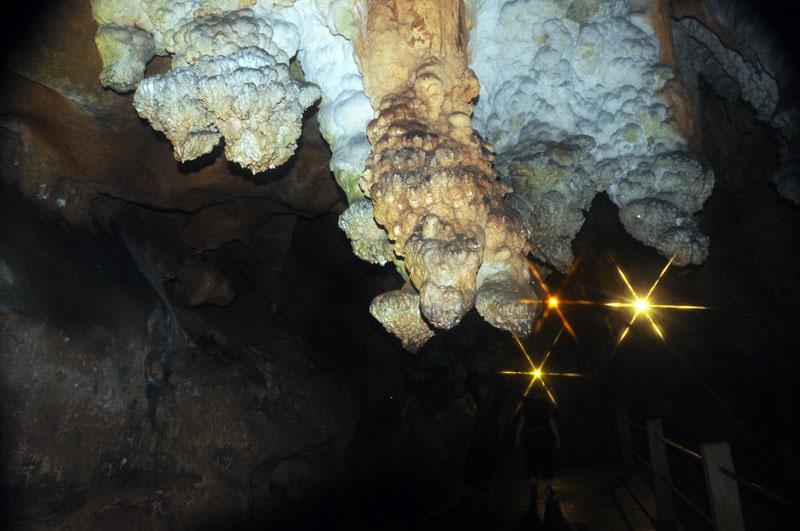
Dark cave interior with hanging stalactites and a person illuminated by bright lights at Chiang Dao Cave.

Nestled in the mountainous region of Chiang Dao, north of Chiang Mai city, Chiang Dao Cave offers a captivating journey beneath the earth’s surface, revealing spectacular limestone formations shaped over millennia. For travelers seeking to connect with nature’s artistry and geological marvels, a guided cave tour provides an immersive experience that goes beyond simple sightseeing. These tours not only illuminate the cave’s natural beauty but also enrich visitors’ understanding of the geological processes and cultural significance that make Chiang Dao Cave a must-visit destination. Guided Cave Tour Chiang Dao experiences invite explorers to traverse winding passageways adorned with stalactites and stalagmites, while knowledgeable guides interpret the cave’s unique features and history. Beyond the cave itself, the surrounding area presents a wealth of things to do in Chiang Mai for nature enthusiasts, including scenic trekking routes and soothing mineral hot springs. This article delves into the highlights of Chiang Dao Cave’s guided tours, showcases some of the most beautiful caves in Chiang Mai, and introduces nearby attractions that complement the cave exploration for a well-rounded adventure.

The Enriching Experience of Guided Cave Tour Chiang Dao

Embarking on a guided cave tour at Chiang Dao Cave transforms a simple visit into an educational and awe-inspiring adventure. The cave system itself is an extensive network carved from limestone, featuring chambers of varying sizes, underground streams, and intricate rock formations that tell a story of geological evolution spanning thousands of years. A guide’s expertise reveals these natural wonders in detail, explaining how water erosion and mineral deposits have sculpted the cavern’s dramatic interiors.

Guides also provide insights into the local culture and history, highlighting the cave’s significance to nearby communities and its role as a spiritual site for some. This contextual knowledge allows visitors to appreciate the cave not only as a natural phenomenon but as a living part of the region’s heritage. Additionally, guided tours ensure safety and offer deeper access into areas that might be challenging to navigate alone, making the experience suitable for a wide range of travelers including families and nature enthusiasts.

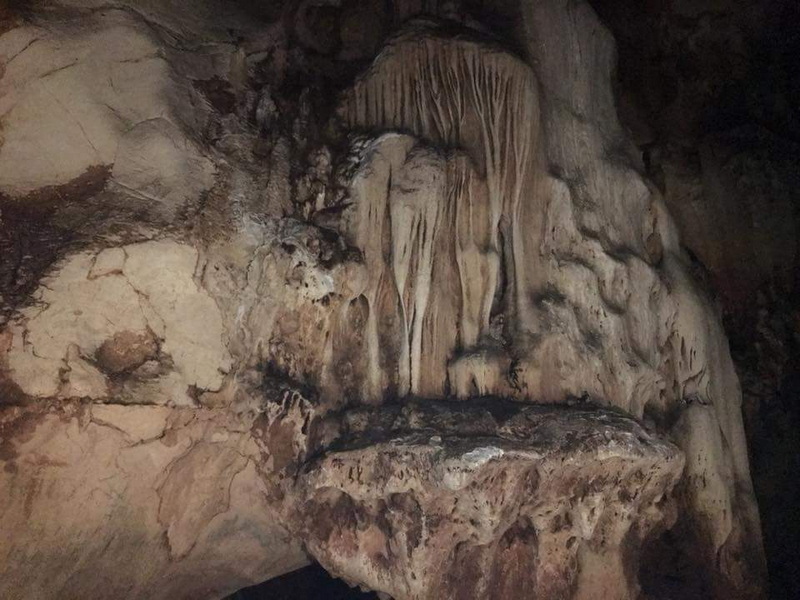
Close-up of stalactites and stalagmites inside a dark underground cave at Chiang Dao Cave.

The gradual lighting inside the cave during the tour enhances the visual impact of the rock formations, casting shadows that emphasize their texture and scale. Visitors often find themselves marveling at vast chambers illuminated softly to reveal towering stalagmites and delicate stalactites, some of which have formed over millions of years. These tours typically take a few hours, allowing ample time to absorb the cave’s atmosphere and natural artistry.

Discovering Beautiful Caves in Chiang Mai Beyond Chiang Dao

Chiang Mai province is home to numerous limestone caves, each with unique characteristics that appeal to different types of explorers. While Chiang Dao Cave stands out for its size and complexity, several other caves offer stunning natural features and tranquil settings. These caves often serve as quiet retreats for reflection and photography, showcasing the region’s geological diversity.

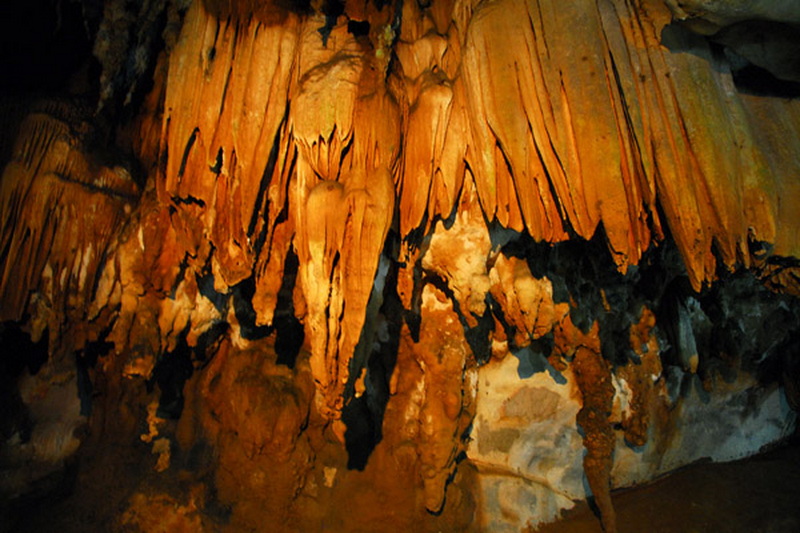
Many caves in Chiang Mai feature formations with striking colors and textures, from translucent mineral deposits to rugged rock surfaces shaped by centuries of water flow. Visitors interested in cave temples will find some caves adorned with Buddha statues and shrines, blending natural beauty with cultural reverence. Exploring these caves provides a deeper appreciation for how nature and human devotion intertwine in this part of Thailand.

Inside a cave with orange stalactites hanging from the ceiling and rock formations on the walls at Chiang Dao Cave.

Whether seeking dramatic chambers filled with shimmering calcite or smaller, intimate caves with serene pools and delicate formations, travelers can find a variety of beautiful caves to explore. Guided tours often highlight these features, offering context about the caves’ formation and their ecological importance, which helps foster a respectful and mindful approach to cave visitation.

Complementary Things To Do In Chiang Mai Around Chiang Dao Cave

The area surrounding Chiang Dao Cave is rich with outdoor activities that complement the cave exploration experience. Among the most popular is Ban Yang Pu Toh trekking, a trail that weaves through lush forests and scenic mountain landscapes. This trek offers a chance to immerse oneself in northern Thailand’s natural environment, with opportunities to spot local flora and fauna along the way.

Four black statues covered with yellow cloth sitting against decorated wall behind at Chiang Dao Cave.

After an invigorating trek, visitors often seek relaxation at the Ban Yang Pu Toh mineral hot springs. These natural springs provide soothing warm waters reputed for their therapeutic properties, making them an ideal spot to unwind and rejuvenate after exploring caves and trekking trails. The mineral springs are nestled in peaceful surroundings, enhancing the overall sense of harmony with nature.

Together, these activities create a well-rounded itinerary for travelers who want to experience the natural beauty and tranquility of Chiang Dao beyond the cave itself. The combination of guided cave tours, trekking, and hot springs offers a balanced mix of adventure, education, and relaxation that appeals to a wide variety of travelers.

Nearby Attractions

Ban Yang Pu Toh trekking

Two people standing on a forested viewpoint overlooking mountains at Ban Yang Pu Toh trekking.

Ban Yang Pu Toh trekking is a rewarding outdoor activity located near Chiang Dao Cave, offering trails that meander through verdant forests and along rugged mountain slopes. The trek highlights the region’s rich biodiversity and provides panoramic views of the surrounding landscape. It is an excellent choice for travelers seeking to combine physical activity with immersive nature experiences in northern Thailand.

Ban Yang Pu Toh mineral hot springs

Small outdoor hot spring pool with bamboo fence and wooden roof cover at Ban Yang Pu Toh mineral hot springs.

Close to the trekking routes, Ban Yang Pu Toh mineral hot springs present a natural retreat renowned for their warm, mineral-rich waters. These springs are a popular spot for relaxation and are believed to have health benefits, making them a perfect complement to the outdoor adventures around Chiang Dao. Visitors can soak in the soothing waters while enjoying the serene forested environment.

Planning Your Visit

Chiang Dao Cave stands as a remarkable testament to the natural forces that have shaped northern Thailand’s landscape over countless centuries. Participating in a guided cave tour enriches the visitor experience by unveiling the geological secrets and cultural narratives embedded within the cave’s depths. Beyond the cave, the surrounding region offers diverse activities such as trekking and mineral hot springs that enhance the overall journey into this beautiful part of Chiang Mai. For travelers drawn to natural beauty and educational exploration, Chiang Dao and its environs provide an inspiring destination where every step reveals new layers of wonder. Whether marveling at intricate limestone formations or soaking in warm springs after a forest trek, visitors leave with a deeper appreciation for the landscapes that shape this unique corner of Thailand.

Sunday, July 26, 2026

Hiking and Trekking Experiences at Doi Luang Chiang Dao

Hiking and Trekking Experiences at Doi Luang Chiang Dao

Explore the rich hiking landscapes and natural wellness escapes surrounding Doi Luang Chiang Dao in northern Thailand.

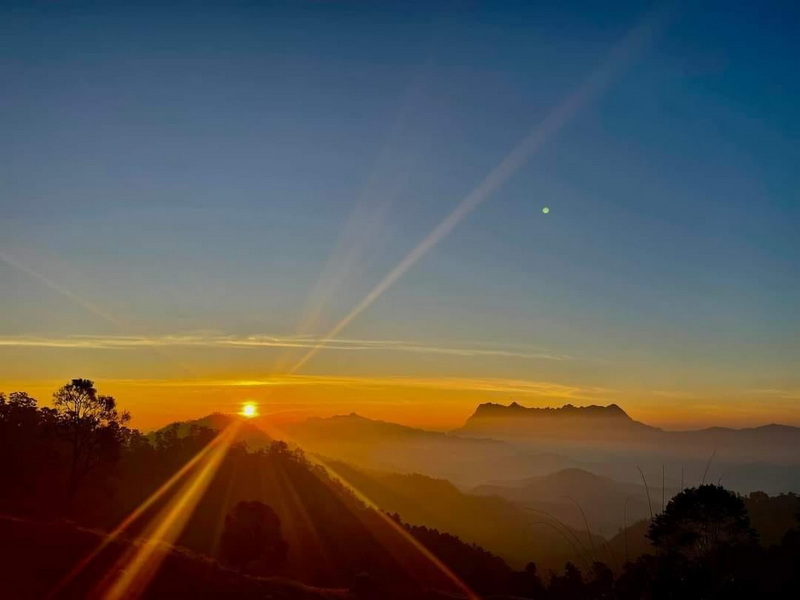
A sunrise casts light over the silhouette of Doi Luang Chiang Dao mountains.

For those seeking a blend of challenge, beauty, and tranquility, Doi Luang Chiang Dao stands out as one of northern Thailand’s most compelling trekking destinations. This iconic limestone massif rises dramatically above the Chiang Dao valley, inviting hikers and trekkers into a world where mist-laced forests, rare flora, and sweeping panoramas are the norm. The mountain’s allure lies not only in its physical grandeur but also in the immersive experience it offers to those venturing along its trails. Hiking Chiang Mai is a popular search for travelers, but the Doi Luang Chiang Dao Trek offers something distinctly unique. The routes here wind through ancient forests, traverse diverse ecological zones, and reward those who reach the summit with breathtaking views that stretch across the northern Thai landscape. Whether you’re an experienced trekker or an active traveler looking to deepen your connection with nature, Doi Luang Chiang Dao has a route to match your ambitions. Private tours in Chiang Mai have become a favored approach for many visitors, providing flexibility and insight into the region’s natural and cultural tapestry. These guided experiences can help travelers navigate the area’s protected status and conservation guidelines, ensuring a responsible and enriching journey. Beyond the trek itself, the area surrounding Doi Luang Chiang Dao offers opportunities for further exploration and relaxation, most notably at Ban Yang Pu Toh trekking trails and the nearby mineral hotsprings—ideal for unwinding after a day on the mountain. This article is designed to help you understand the trekking environment at Doi Luang Chiang Dao, how private tours fit into the adventure, what you can expect from the trails and the landscape, and how to integrate nearby wellness escapes into your trip. With detailed insights and practical guidance, you’ll be ready to plan a confident and memorable hiking experience in one of Thailand’s most extraordinary natural settings.

The Hiking and Trekking Environment at Doi Luang Chiang Dao

Doi Luang Chiang Dao, the third highest peak in Thailand, is revered for its wild, unspoiled character. Rising to 2,225 meters, the mountain is part of the Chiang Dao Wildlife Sanctuary and Doi Luang Chiang Dao Forest Park, areas recognized for their exceptional biodiversity and conservation value. The trails here cut through a mosaic of montane forests, bamboo groves, and exposed limestone ridges. Hikers will notice dramatic changes in vegetation as they ascend, with lower slopes shaded by lush evergreen forests and higher elevations home to rare alpine flora.

The Doi Luang Chiang Dao Trek is renowned for its natural diversity. Birdwatchers may glimpse endemic species, while those interested in botany will find the mountain’s limestone karst ecosystem supports a surprising variety of orchids and medicinal plants. The terrain can be rugged and steep in places, with some sections requiring careful footing, especially after rain. However, the rewards are abundant: panoramic views, cool mountain air, and the quiet sense of remoteness that defines the trekking experience here.

Seasons play a significant role in shaping the hiking environment. The dry season, spanning roughly from November to March, is considered the most favorable time for trekking, offering clear skies and reduced risk of slippery trails. During the wetter months, mist and cloud often cloak the summit, adding a mystical atmosphere but increasing the challenge of the hike. Regardless of the season, preparation and respect for the mountain’s natural rhythms are essential.

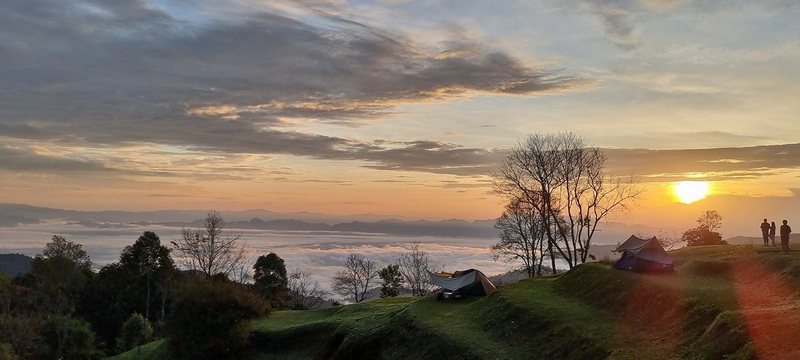
Sunrise illuminating the mountainous landscape, with tents set up among the trees at Doi Luang Chiang Dao.

How Private Tours Shape the Doi Luang Chiang Dao Trek

Private tours in Chiang Mai have transformed the way many visitors approach trekking in the region, and Doi Luang Chiang Dao is no exception. These tours, often led by experienced local guides, offer several advantages: personalized pacing, in-depth knowledge of the terrain, and insights into the area’s unique ecology. For those new to the region or unfamiliar with Thai protected areas, a private tour can simplify logistics and ensure that conservation guidelines are followed.

Guides typically share information about the local flora and fauna, explain the cultural significance of the mountain to nearby communities, and help trekkers navigate the sanctuary’s rules. Many private tours also include transport from Chiang Mai, meals, and overnight arrangements—useful for those undertaking longer routes or wishing to summit at sunrise. While group tours are available, private tours remain a popular search for travelers prioritizing flexibility, privacy, or a tailored trekking experience.

It is important to note that access to Doi Luang Chiang Dao is regulated to protect its sensitive environment. Visitor numbers are limited during certain periods, and permits are often required. Private tours can manage these requirements on your behalf, further reducing the stress of planning and allowing you to focus on the adventure itself.

Ban Yang Pu Toh Trekking and Mineral Hotsprings: Complementary Experiences

A couple standing on a wooded viewpoint, possibly near Ban Yang Pu Toh trekking.

For those seeking to extend their outdoor adventures, Ban Yang Pu Toh trekking offers a rewarding alternative to the main Doi Luang Chiang Dao routes. Located nearby, this area presents gentler trails winding through secondary forests and local farmlands. The paths here are ideal for travelers interested in a less demanding hike or for those wanting to immerse themselves in the rhythms of rural northern Thailand. Along the way, trekkers may encounter small streams, local plant life, and traditional villages, fostering a deeper appreciation for the landscape’s cultural context.

Lush forest area near Doi Luang Chiang Dao.

After a day of hiking, few things compare to the restorative experience of soaking in a natural mineral hotspring. The Ban Yang Pu Toh mineral hotsprings, located within reach of the trekking trails, provide a tranquil setting to relax tired muscles and reflect on the mountain’s grandeur. The springs are set amid lush greenery, offering a peaceful contrast to the rigors of the trail. Many travelers choose to end their trekking day here, letting the warm mineral waters ease the transition from adventure back to relaxation.

Integrating Ban Yang Pu Toh trekking and the mineral hotsprings into your Doi Luang Chiang Dao journey creates a well-rounded outdoor experience, balancing exertion with wellness and connecting the region’s rugged natural features with its gentler, restorative side.

Understanding Hiking Conditions and Practical Planning

Hiking Chiang Mai’s mountainous landscapes requires attention to both environmental conditions and personal preparation. At Doi Luang Chiang Dao, trails can vary from well-trodden paths to rocky, narrow ridges. Sturdy footwear, layered clothing, and sun protection are essential, as temperatures can fluctuate widely between day and night. Water sources on the mountain are limited and untreated, so carrying sufficient water and purification methods is advised.

Trees and distant mountains seen from a viewpoint at Doi Luang Chiang Dao.

Permits and conservation regulations are an important consideration for all trekkers. The mountain’s protected status means that visitor numbers are controlled, and hiking is typically restricted to the dry season. It is advisable to check the latest conditions and access requirements before planning your trip. Private tours in Chiang Mai can be particularly helpful in managing these logistics, securing permits, and arranging local transportation.

For those undertaking the Doi Luang Chiang Dao Trek, overnight stays are often part of the experience. Simple campsites or designated refuges are available along the route, but facilities are basic. Trekkers should be self-sufficient, carrying all necessary equipment and practicing Leave No Trace principles to minimize impact on this sensitive mountain environment.

Preparation is key to a successful trek—research the weather, confirm entry requirements, and consider the benefits of a guided experience for both safety and enrichment. With careful planning, the trek up Doi Luang Chiang Dao becomes not only an adventure but also a respectful engagement with one of Thailand’s most precious natural landscapes.

Nearby Attractions

Ban Yang Pu Toh trekking

Ban Yang Pu Toh trekking presents a gentler hiking alternative near Doi Luang Chiang Dao. The trails wind through verdant countryside, offering opportunities to observe local agriculture, forest edges, and everyday village life. This area is well suited to travelers who wish to experience the region’s landscapes at a slower pace or who prefer less strenuous routes than the main summit trek. The atmosphere here is peaceful and authentic, providing a window into the natural and cultural tapestry that surrounds the iconic mountain.

Ban Yang Pu Toh mineral hotsprings

Circular mineral hot spring pool at Ban Yang Pu Toh with a bamboo roof at Ban Yang Pu Toh mineral hotsprings.

After a day of hiking, the Ban Yang Pu Toh mineral hotsprings offer a soothing retreat. Nestled amidst greenery, these natural springs are renowned for their warm, mineral-rich waters. Visitors often use the hotsprings to relax tired muscles and enjoy a moment of tranquility. The setting is serene and unspoiled, making it an ideal complement to the physical challenge of trekking in the Doi Luang Chiang Dao area.

Planning Your Visit

Doi Luang Chiang Dao is more than just a mountain to climb—it is a gateway to the heart of northern Thailand’s natural beauty and a testament to the rewards of immersive, responsible travel. By understanding the trekking environment, leveraging the expertise of private tours in Chiang Mai, and balancing adventure with restorative experiences like Ban Yang Pu Toh trekking and mineral hotsprings, you can craft a journey that is both challenging and deeply fulfilling. Preparation, respect for conservation guidelines, and curiosity about the region’s landscapes and communities will ensure your Doi Luang Chiang Dao Trek is not only memorable, but also meaningful. As you plan your adventure, let the mountain’s quiet grandeur inspire confidence and wonder, setting the stage for an unforgettable encounter with Thailand’s wild north.