Monday, November 2, 2026

Wat Chaloem Phra Kiat Visitor Guide for a Meaningful Lampang Journey

Wat Chaloem Phra Kiat Visitor Guide for a Meaningful Lampang Journey

A respectful temple visit combining mountain views, northern heritage, wildlife conservation, and practical travel planning
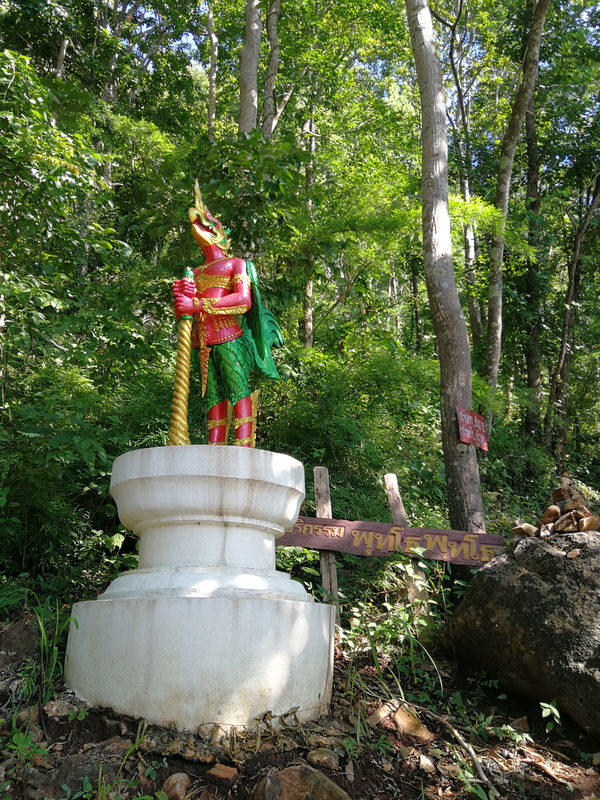
Travel photograph selected for Wat Chaloem Phra Kiat destination guide.

In the forested mountains of Chae Hom District, Lampang, Wat Chaloem Phra Kiat creates an unforgettable first impression. Small white pagodas appear to rest along high limestone ridges, separated from the main temple area by steep, green slopes. The sight is dramatic, but the experience is more than a scenic viewpoint. This is a living religious place where visitors are expected to slow down, observe respectfully, and appreciate the setting as part of the temple’s meaning. Often known in English as Chaloem Phra Kiat Temple Lampang, the site is also associated with names such as Wat Chalermprakiat and Wat Chaloem Phra Kiat Phrachomklao Rachanusorn. Its combination of Buddhist devotion, mountain landscape, and careful construction has made it one of the Must Visit Temples In Northern Thailand for travelers exploring beyond Chiang Mai. It also fits naturally into a broader cultural and nature-focused route, including the kind of regional planning sometimes described as a Chiang Mai Travel Package, without reducing the temple to a quick photo stop. This guide focuses on why the temple matters, what the visit feels like, and how nearby nature experiences can give the journey greater balance. The aim is to help first-time visitors arrive with realistic expectations, cultural awareness, and curiosity about Lampang’s wider landscape.

A Temple Shaped by Mountain and Sky

Wat Chaloem Phra Kiat stands in Chae Hom District, in a part of Lampang known for wooded hills and limestone scenery. Its most recognizable feature is the group of white stupas and small structures positioned on the mountain ridges above the temple grounds. From below, they seem almost suspended between the forest and the sky. The view is the result of a human religious project carefully integrated with a challenging natural setting rather than a conventional temple compound on level ground.

The temple is commonly identified by its longer formal name, Wat Chaloem Phra Kiat Phrachomklao Rachanusorn. The name commemorates King Mongkut, also known as King Rama IV, and reflects the site’s connection with royal remembrance. The complex is a modern addition to Thailand’s religious landscape, yet it draws on familiar northern Buddhist forms, including stupas, Buddha images, prayer spaces, and mountain pilgrimage traditions.

Visitors should distinguish between the striking ridge structures and the lower temple area. The lower grounds provide space for worship and orientation, while the elevated viewpoint offers the famous panorama. Conditions on the approach can involve walking and changes in elevation, so comfortable footwear, water, and a patient pace are useful. Exact access arrangements may change, and local guidance should take priority over assumptions made from photographs.

Why It Belongs on a Northern Temple List

The importance of Wat Chaloem Phra Kiat comes from the relationship between religious purpose and place. Many temples in northern Thailand are valued for their history, images, murals, or architecture. This temple adds another dimension: its sacred structures occupy a dramatic mountain environment that encourages visitors to consider elevation, effort, and quiet observation as part of the experience.
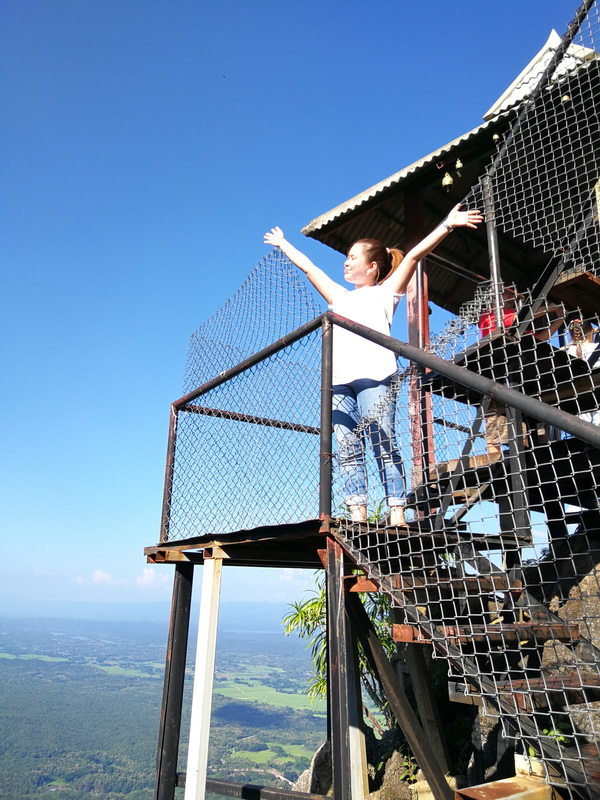
Travel photograph selected for Wat Chaloem Phra Kiat destination guide, Wat Chaloem Phra Kiat main article view 2 2

Its pagodas are not simply decorative objects scattered across a viewpoint. They are religious structures associated with merit-making and Buddhist devotion. The white surfaces, open sky, and distant layers of forest can make the setting feel visually extraordinary, but visitors should remember that worshippers may be present and that the area remains a place of faith. Photography should never take priority over ceremonies, prayer, or the privacy of other people.

For travelers comparing the Must Visit Temples In Northern Thailand, this site offers a different perspective from famous urban temples in Chiang Mai or historic temple groups in other provinces. It is especially relevant to those who want culture and nature in the same outing. The temple’s appeal is not based only on age; its contemporary story, mountain engineering, religious symbolism, and regional setting are all part of its significance.

How to Approach the Visit Thoughtfully

A good visit begins before reaching the viewpoint. Modest clothing is appropriate because this is a Buddhist temple, and shoulders and knees should generally be covered when entering religious areas. Visitors should follow signs and instructions about footwear, photography, restricted spaces, and permitted routes. Speaking quietly near prayer areas and avoiding posed behavior that treats sacred objects as props helps preserve the atmosphere for everyone.

The mountain setting rewards preparation rather than haste. Sun protection, drinking water, and shoes with secure footing can make walking more comfortable. People with health concerns should judge the physical demands for themselves and ask locally about current access conditions. It is also sensible to allow time for pauses, because the purpose of the visit is not merely to reach the highest visible point. The lower grounds, surrounding trees, and changing views are part of the experience.
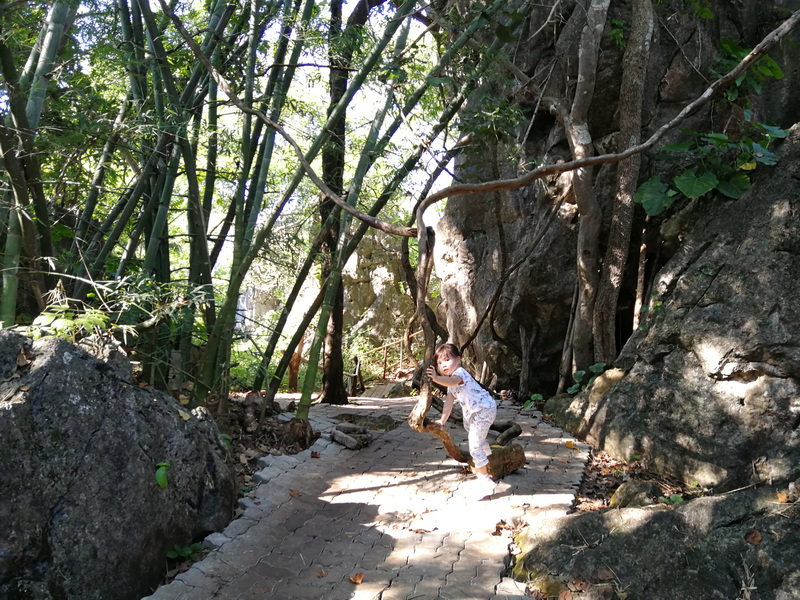
Travel photograph selected for Wat Chaloem Phra Kiat destination guide, Wat Chaloem Phra Kiat main article view 3 2

Weather can influence both visibility and comfort. Bright conditions may reveal broad views across the Lampang landscape, while haze or cloud can create a quieter atmosphere but reduce distant detail. Rather than expecting a guaranteed photograph, visitors can treat the scenery as changeable. This approach also encourages respect for the natural environment: do not leave rubbish, disturb plants, climb on structures, or approach wildlife encountered along the route.

Where It Fits in a Chiang Mai Travel Plan

Lampang is separate from Chiang Mai, but the two destinations are often considered together in northern Thailand travel planning. A Chiang Mai Travel Package may use Chiang Mai as a regional base or arrival point while including excursions to nearby provinces, although the actual route, timing, and transport arrangements differ between travelers. Wat Chaloem Phra Kiat is best understood as a destination that requires deliberate planning rather than an attraction to add casually between city stops.

Including the temple in a wider route can broaden the meaning of a northern journey. Chiang Mai is well known for historic temples, craft traditions, markets, and mountain landscapes, while Lampang adds its own cultural identity and quieter rural settings. A visit here can therefore complement urban temple sightseeing with an encounter shaped by forest, limestone, and open viewpoints.

Travelers should avoid judging the temple only by distance or by how many attractions can be placed in one day. The most rewarding plan leaves room for travel conditions, rest, respectful exploration, and time to understand what is being seen. If an organized itinerary is used, visitors can ask whether it allows enough time at the temple and whether the route treats religious sites and local communities with appropriate care.
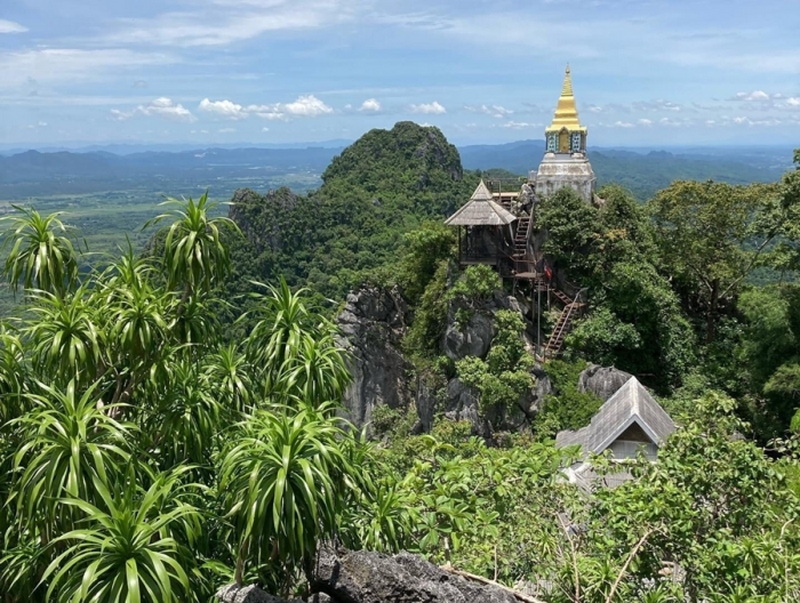
Travel photograph selected for Wat Chaloem Phra Kiat destination guide, Wat Chaloem Phra Kiat main article view 4 2

A Shared Journey of Culture and Conservation

The temple’s location makes it a natural starting point for thinking about the wider relationship between people, forests, and mountains. The white pagodas are memorable because they stand out against the landscape, but their impact also depends on the surrounding environment. A considerate visitor notices both: the religious structures created by people and the natural setting that gives the site its visual character.

This combination makes the temple particularly suitable for travelers who enjoy cultural heritage without separating it from outdoor experiences. It can be paired with nearby attractions that introduce wildlife conservation and protected natural landscapes, creating a fuller understanding of Lampang beyond its best-known images. Such a route is not about collecting photographs; it is about recognizing that temples, forests, animals, and local livelihoods are connected parts of the region.

Responsible behavior remains important after leaving the temple. At conservation and nature sites, visitors should follow staff guidance, avoid feeding or touching animals unless explicitly permitted, remain on appropriate paths, and carry away rubbish. These simple choices protect places that residents, religious communities, conservation workers, and future travelers all share.

Nearby Attractions

Elephant Conservation Center

Travel photograph selected for Elephant Conservation Center destination guide.

The Elephant Conservation Center offers a way to continue the journey with a focus on elephant welfare, education, and conservation. Its role is different from that of a temple: the emphasis is on learning about elephants and the work involved in caring for them, rather than on religious observation. Visitors should approach the experience with respect for the animals and pay attention to current guidance about appropriate interaction.

Placed alongside Wat Chaloem Phra Kiat, the center can add an important wildlife perspective to a Lampang itinerary. The temple introduces spiritual and architectural heritage in a mountain setting, while the conservation center encourages questions about human responsibility toward animals. Together, they support a slower form of travel based on understanding rather than simply moving from one attraction to another.

Chae Son National Park
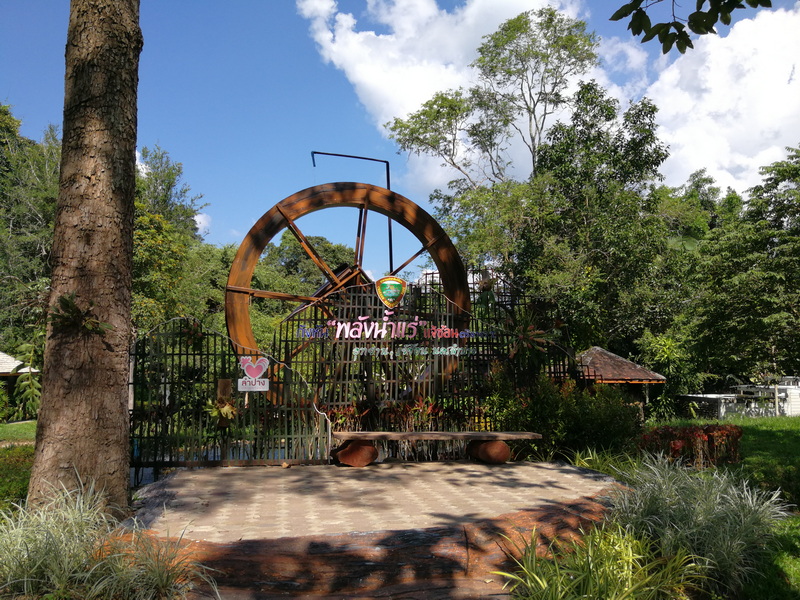
Travel photograph selected for Chae Son National Park destination guide.

Chae Son National Park extends the nature focus through forests, mountain scenery, and the character of a protected landscape. It is a useful companion to the temple because it helps visitors see the ecological setting beyond the famous ridge-top pagodas. Natural areas can change with weather and seasonal conditions, so travelers should rely on current local information and follow park rules during their visit.

The contrast is especially valuable: Wat Chaloem Phra Kiat expresses human devotion within the mountains, while the national park highlights the importance of preserving the mountains themselves. Visitors can make the connection by staying on designated routes, respecting quiet areas, avoiding damage to plants or geological features, and taking all rubbish with them. This combination can turn a temple outing into a broader lesson in cultural and environmental care.

Planning Your Visit

Wat Chaloem Phra Kiat is memorable because its religious meaning and mountain landscape cannot be separated. The pagodas invite attention, but the most rewarding visit also includes patience, respectful conduct, and curiosity about Lampang’s wider cultural and natural setting. Whether included in a northern temple journey or planned alongside the Elephant Conservation Center and Chae Son National Park, the site offers more than a scenic viewpoint. It gives travelers a thoughtful way to connect architecture, devotion, conservation, and the quiet power of the landscape.


Sunday, November 1, 2026

Budget Visitor Guide to Singha Park and Chiang Rai Attractions

Budget Visitor Guide to Singha Park and Chiang Rai Attractions

Plan an affordable day around open landscapes, local culture, museums, and nature in Chiang Rai

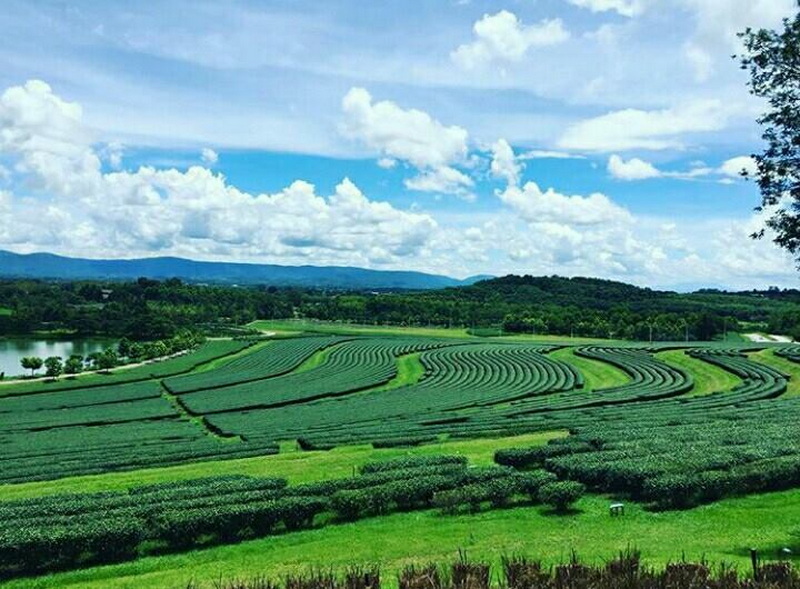
Travel photograph selected for Singha Park destination guide.

Singha Park is a large agricultural and recreation area in Mueang Chiang Rai District, making it a useful stop for travelers who want open scenery rather than a concentrated urban attraction. The landscape includes cultivated fields, gardens, tea-growing areas, water views, and broad roads between visitor points. Its famous golden lion landmark provides an easy orientation point, while the surrounding setting gives a sense of how tourism, farming, and outdoor leisure can share the same place. A visit does not need to depend on expensive activities or a tightly organized itinerary. Budget travelers can treat the park as one part of a Chiang Rai day, compare transport choices, and focus on the scenery, photography, and agricultural setting. This Singha Park Visitor Guide also considers two nearby places worth pairing with the visit: Black House Museum and Lam Nam Kok National Park. Together, they show different sides of Chiang Rai, from contemporary art and local heritage to forested landscapes along the Kok River. The practical approach is to check current opening information, transport arrangements, and any activity fees before leaving. Conditions can change, and not every visitor service is necessarily available every day. A flexible plan is therefore more useful than assuming that every attraction, tour, or seasonal feature will operate in the same way throughout the year.

What the Singha Park Experience Feels Like

Singha Park Chiang Rai is best understood as a spacious outdoor destination rather than a single building or monument. Visitors move through an agricultural landscape with planted areas, hills, ponds, and viewpoints. The setting can feel calm compared with the busier parts of Chiang Rai, although popular weekends or event periods may bring more visitors. The scale means that walking between every point may not be practical, so it is sensible to identify the places that matter most before arriving.

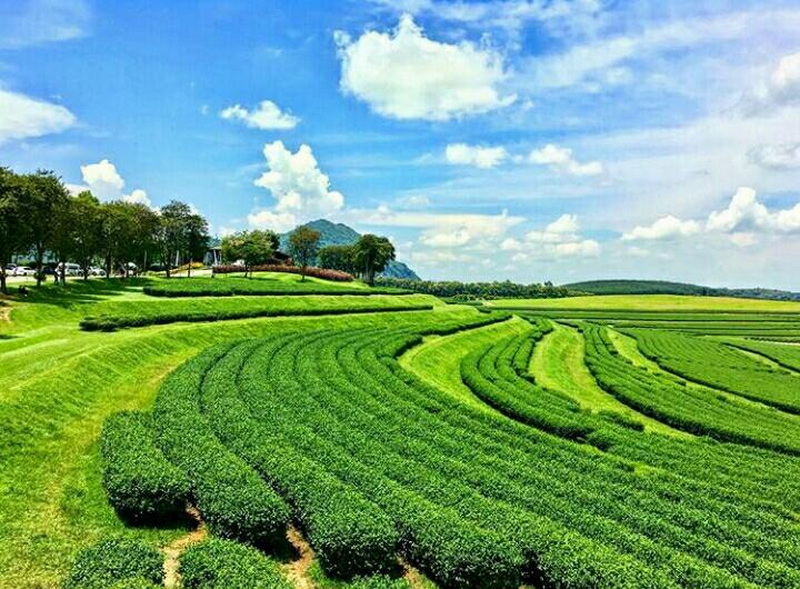
The park’s agricultural character is important to the experience. Tea cultivation, fruit and flower growing, and other farm-related landscapes connect the visit with working land rather than presenting nature as untouched wilderness. Visitors should stay on permitted paths, avoid entering planted areas, and follow signs around farms and facilities. Photographing scenery is generally less intrusive than approaching workers or treating agricultural activity as a performance. Respect for staff, local livelihoods, and other visitors helps preserve the park as a shared public destination.

For a low-cost visit, the landscape itself can be the main attraction. A traveler might spend time at the landmark lion statue, enjoy views across the fields, observe seasonal planting, and bring water or simple snacks where permitted. Optional experiences such as cycling, farm activities, or adventure attractions may involve separate arrangements or charges, so these should be treated as choices rather than requirements. The most affordable plan is often one that selects only one paid activity, if any, and leaves time for the free visual experience.

Building a Chiang Rai Day Without Overspending

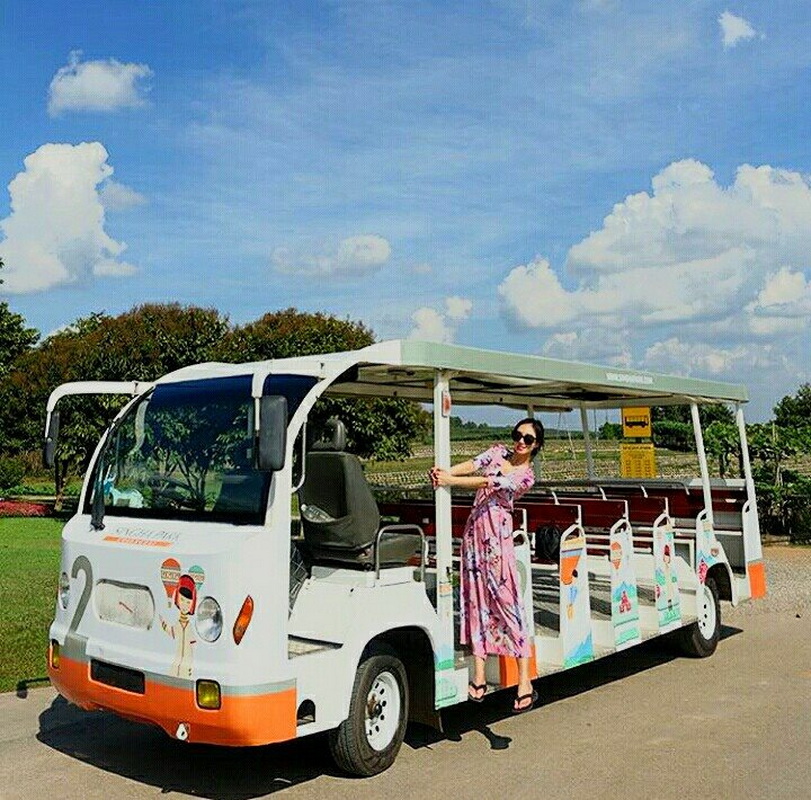
The first budget decision is transport. Independent travelers can compare the cost and convenience of a local taxi, ride-hailing service where available, a rented vehicle, or shared transport arranged through a responsible operator. A private car can simplify movement across a large park, but the total cost may be less attractive for a solo traveler. Sharing a vehicle with companions can change the calculation, while a traveler using public transport may need to confirm the final connection to the park in advance.

Travel photograph selected for Chiang Rai Tour Packages destination guide.

Some visitors search for Cheap Chiang Rai Tour Packages because combining transport and several attractions may be easier than arranging every leg independently. The word cheap should not be the only measure, however. Check what is included, how long is spent at each stop, whether entrance or activity charges are separate, and whether the itinerary allows reasonable time for meals and rest. A very low advertised cost may not represent the final amount if extra transport, meals, or optional activities are added later.

Travel photograph selected for Singha Park destination guide, Singha Park main article view 2 2

A self-planned day can work well when the group is comfortable checking maps and current local information. Another option is a small-group Chiang Rai tour that includes the park with other destinations in the same area. Before booking, ask whether the vehicle is shared, whether the route is fixed, and how changes caused by weather are handled. Avoid operators that make exaggerated promises or pressure travelers to buy products. Supporting transparent businesses and paying fair rates for drivers and guides is part of responsible budget travel.

Food is another practical consideration. Prices and facilities can vary, so travelers may compare the cost of eating inside the park with nearby options without assuming that bringing food is always allowed. Carrying a reusable water bottle, using refill points when available, and avoiding single-use waste can reduce daily expenses. If the itinerary includes several outdoor stops, a hat, sun protection, and comfortable shoes may prevent small discomforts from becoming reasons to spend unexpectedly.

A Simple Way to Organize the Visit

Start by deciding whether the park is the main destination or one stop in a wider Chiang Rai route. If it is the focus, allow enough time to appreciate the distances and landscape instead of rushing from one photo point to another. If it is one stop among several, choose a limited area of the park and confirm travel time to the next destination. Early planning is especially useful during hot weather, when walking across open ground can be tiring.

A practical sequence is to begin with orientation at the main landmark, continue through the agricultural scenery, and then choose one optional activity only if it fits the budget and available time. Visitors interested in tea landscapes can give that area priority, while families may prefer open spaces and quieter observation points. The best route depends on current access and conditions, so signs and staff guidance should take precedence over old online descriptions.

Cultural sensitivity applies even in a commercial recreation setting. Chiang Rai is home to diverse communities, religious sites, working farms, and living traditions. Do not assume that local people or cultural symbols are available for staged photographs. Ask before photographing individuals, respect restricted areas, and dress appropriately when an itinerary later includes a religious or community site. Travelers should also avoid describing local culture as exotic or treating rural work as entertainment.

Travel photograph selected for Singha Park destination guide, Singha Park main article view 3 2

Weather can shape the experience more than the itinerary does. Rain may make some paths slippery, while strong sun can make open areas uncomfortable. A flexible schedule, modest expectations, and a willingness to skip an activity are useful safeguards. Checking official or local updates before departure is more reliable than relying on a fixed assumption about conditions.

Where the Park Fits Among Chiang Rai Top Attractions

Chiang Rai Top Attractions are spread across the province and do not all offer the same type of experience. Singha Park emphasizes agriculture, landscaped scenery, and outdoor recreation. A museum visit provides a more concentrated encounter with art and objects, while a national park offers a different relationship with forest, river, and terrain. Combining contrasting places can make a day more meaningful than collecting several similar photo stops.

The park can also help travelers slow down. Instead of treating Chiang Rai only as a list of famous buildings, visitors can notice cultivated hillsides, road connections, food production, and the way residents use public spaces. This broader view places tourism within everyday life. It also encourages a more ethical pace: spend with locally run businesses when possible, avoid littering, and remember that attractive landscapes may be part of someone’s workplace or livelihood.

Travelers who are staying in Chiang Rai can reserve the park for a half day and use the rest of the day for one nearby location, subject to transport and current access. Travelers arriving from Chiang Mai should be cautious about trying to include too many distant stops in one day. A long transfer followed by rushed sightseeing can cost more in energy than it saves in money. Comparing a shared day tour, a private vehicle split among several people, and an independent plan can help each group choose realistically.

Nearby Attractions

Black House Museum

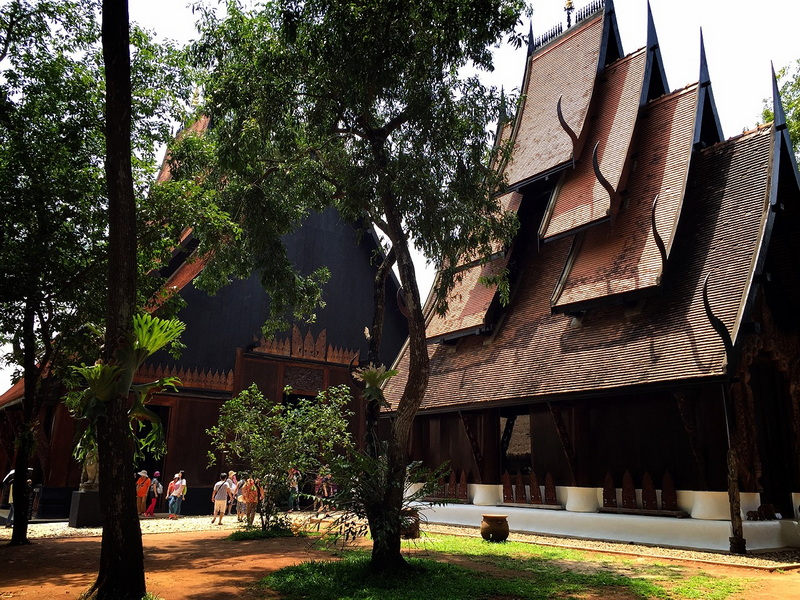
Travel photograph selected for Black House Museum destination guide.

Black House Museum, also known as Baan Dam, presents the work and distinctive architectural environment associated with Thai artist Thawan Duchanee. The grounds contain dark-toned buildings, artworks, and objects arranged in a setting that is more contemplative and visually striking than a conventional gallery. The museum is a place for looking closely and considering artistic ideas, not simply a backdrop for photographs.

Visitors should follow photography rules, keep a respectful distance from displayed objects, and avoid reducing the site to its unusual visual style. Allow time to read available information and notice the relationship between the buildings, materials, and surrounding landscape. Pairing it with Singha Park creates a contrast between agricultural recreation and an art-focused cultural site. Check current visitor information and transport time before treating both as fixed parts of the same route.

Lam Nam Kok National Park

Travel photograph selected for Lam Nam Kok National Park destination guide.

Lam Nam Kok National Park protects forested and riverside landscapes in the Kok River region of Chiang Rai. The area is associated with natural scenery, streams, hills, and outdoor recreation, although the exact experience depends on the chosen access point, weather, and current local conditions. It offers a useful counterpoint to Singha Park’s managed agricultural environment by placing more emphasis on natural terrain and watershed landscapes.

Budget visitors should confirm transport, trail conditions, permitted activities, and any current local requirements before setting out. Carry enough water, take rubbish back out, remain on authorized routes, and do not disturb wildlife or collect plants. River and forest environments can become hazardous during heavy rain, so changing plans is sensible when conditions are poor. Visiting respectfully helps protect the park and acknowledges the importance of the landscape to nearby communities.

Planning Your Visit

Singha Park works well for travelers who value scenery, open space, and an agricultural setting without needing a long list of paid activities. Keep the plan flexible, compare transport and tour inclusions carefully, and choose only the stops that fit the day’s time and energy. Black House Museum adds an artistic and cultural perspective, while Lam Nam Kok National Park brings forest and river landscapes into the itinerary. With respectful behavior, realistic expectations, and current information checked before departure, a visit can remain affordable while still offering a broader understanding of Chiang Rai.