Thursday, July 30, 2026

Chiang Dao Day Trip Trekking and Village Homestay Experiences at Ban Yang Pu Toh

Chiang Dao Day Trip Trekking and Village Homestay Experiences at Ban Yang Pu Toh

Discover immersive day trekking and authentic village homestays in the heart of Chiang Dao’s natural and cultural landscape

Wide view of green mountains with blue sky and clouds above at Ban Yang Pu Toh.

For travelers seeking a meaningful escape from the city bustle, a Chiang Dao Day Trip Trekking From Chiang Mai offers an enriching blend of nature and culture. Nestled in the verdant mountains of northern Thailand, Ban Yang Pu Toh is a village that invites visitors to slow down and engage deeply with local life while exploring scenic trekking routes. This destination is not only known for its lush jungle trails but also for its authentic Chiang Mai Village Homestay experiences that foster genuine cultural exchange. Ban Yang Pu Toh provides a unique opportunity to witness traditional ways of life, participate in community activities, and enjoy the tranquility of rural Chiang Dao. The trekking paths around the village traverse diverse landscapes, from dense forests to terraced hillsides, making it an ideal day trip for those interested in outdoor adventure combined with cultural immersion. Alongside the village’s charm, nearby natural attractions enhance the experience, offering further exploration possibilities for nature enthusiasts. This article guides you through the essentials of planning a day trip trekking tour to Ban Yang Pu Toh, highlighting its village homestay culture, the trekking environment, and nearby natural wonders. It aims to equip travelers with practical insights and respectful cultural understanding to make the most of their visit to this captivating part of Chiang Mai province.

Exploring Day Trip Trekking Routes Around Ban Yang Pu Toh

The trekking routes accessible from Chiang Mai to Ban Yang Pu Toh are well-suited for day visitors who want to experience the region’s natural beauty without committing to multi-day expeditions. These trails wind through a diverse ecosystem, showcasing the rich flora and fauna of the Chiang Dao area. The terrain is moderate, making it accessible to trekkers of varying fitness levels, though some sections may require careful footing due to uneven jungle paths and occasional steep inclines.

Starting from the village, trekkers can follow trails that lead into the surrounding forests, passing through rice terraces, bamboo groves, and small streams. The natural environment here is relatively undisturbed, providing a peaceful atmosphere and opportunities to spot local birdlife and native plants. Along the way, interpretive signs and local guides often share insights into the ecosystem and traditional uses of plants, enriching the trekking experience.

The day trip trekking routes are designed to balance adventure with cultural interaction, often incorporating visits to community farming areas and traditional craft sites. This allows visitors to connect with the daily rhythms of village life while enjoying the physical challenge and scenic rewards of trekking in northern Thailand’s mountainous landscape.

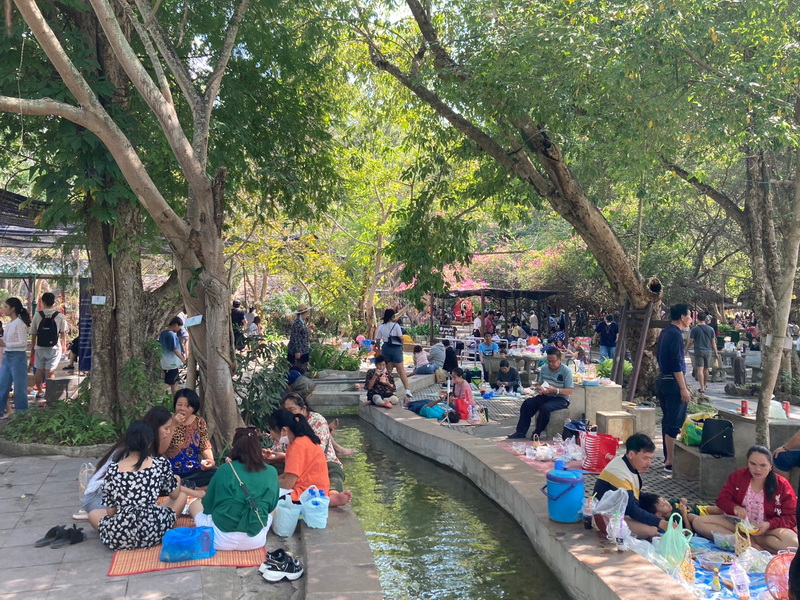
Small circular tiled pool with bamboo fencing and wooden roof in a relaxing setting at Ban Yang Pu Toh.

Immersive Village Homestay Experiences at Ban Yang Pu Toh

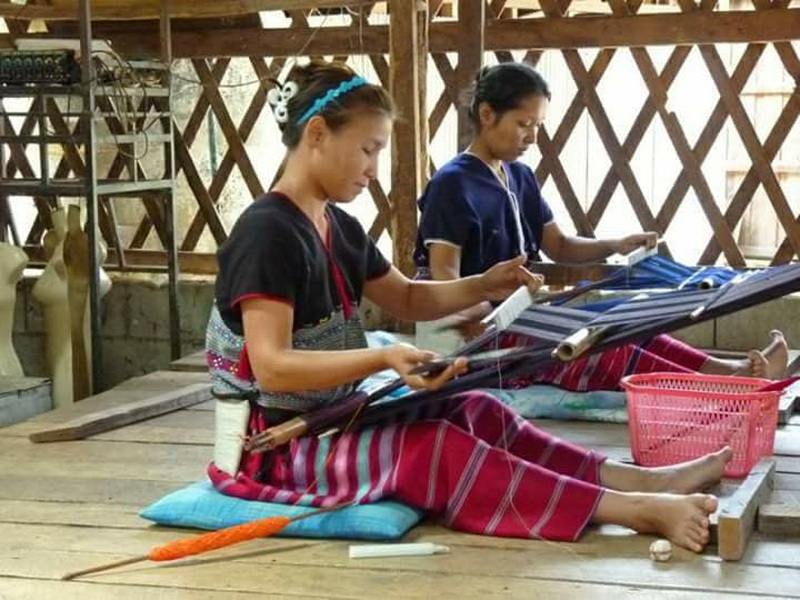
One of the most compelling aspects of visiting Ban Yang Pu Toh is the authentic village homestay experience. These homestays are family-run and provide a window into the customs, traditions, and hospitality of the local community. Staying overnight or even spending part of the day at a homestay allows travelers to observe and participate in daily activities such as cooking traditional northern Thai dishes, weaving, and farming.

The homestay hosts are typically members of ethnic hill tribes or local villagers who maintain ancestral ways of living while adapting to sustainable tourism practices. Visitors are encouraged to approach these interactions with respect and openness, recognizing the importance of preserving cultural dignity and privacy. The homestay experience is more than accommodation; it is a cultural exchange that benefits both hosts and guests through mutual understanding and support.

Meals during the homestay are prepared using fresh, local ingredients, often sourced from village gardens and farms. This not only offers a taste of authentic northern Thai cuisine but also highlights the village’s connection to the land. Participating in communal activities such as rice planting or traditional handicraft workshops can deepen appreciation for the community’s heritage and daily challenges.

Couple standing on trail amid trees with mountain scenery behind them at Ban Yang Pu Toh.

Overall, the homestay culture at Ban Yang Pu Toh reflects an ethical and community-based approach to tourism, where visitors contribute to local livelihoods while gaining meaningful insights into rural Thai life.

Things To Do In Chiang Mai Region During Your Day Trip

Beyond trekking and homestays, the Chiang Mai region surrounding Ban Yang Pu Toh offers a variety of activities that complement a day trip itinerary. The area is known for its rich cultural heritage and natural attractions, providing visitors with diverse options to explore.

Visitors can engage with local markets in Chiang Dao town, where fresh produce, handmade crafts, and traditional foods are abundant. These markets offer a lively atmosphere and a chance to observe daily life in northern Thailand’s rural towns. Additionally, cultural sites such as small temples and community centers in and around the village provide insight into regional religious practices and architecture.

Ancient tree with hollow openings surrounded by lush greenery in a forest at Ban Yang Pu Toh.

For those interested in further exploration, gentle cycling routes around the village and nearby areas offer scenic views and opportunities for casual sightseeing. Photography enthusiasts will find the interplay of natural light and rustic village scenes especially rewarding.

Moreover, educational workshops on sustainable agriculture and conservation practices may be available, reflecting the community’s commitment to ecotourism and environmental stewardship. These activities enrich the visitor experience by connecting cultural knowledge with contemporary ecological concerns.

Nearby Attractions

Tham Chiang Dao

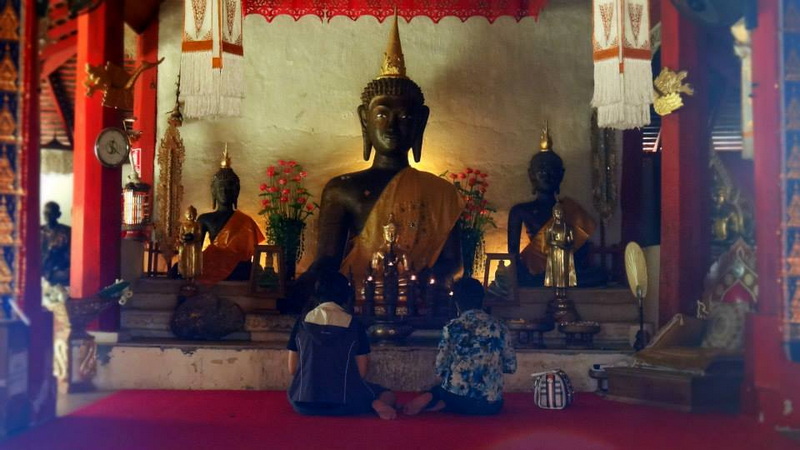
Four seated statues with yellow drapes against a patterned wall at Tham Chiang Dao.

Tham Chiang Dao is a remarkable limestone cave complex located near Ban Yang Pu Toh, renowned for its impressive stalactites and stalagmites formations. The cave system is one of the longest and most accessible in northern Thailand, attracting visitors interested in geology, natural history, and spiritual heritage. Exploring the cave provides a cool, mysterious contrast to the tropical heat outside and offers a glimpse into the geological processes shaping the region.

The area surrounding Tham Chiang Dao also supports a rich biodiversity, making it a favored spot for nature walks and birdwatching. Visitors often combine a trek or homestay in Ban Yang Pu Toh with a visit to this natural wonder to round out their day trip experience.

Pha Daeng National Park

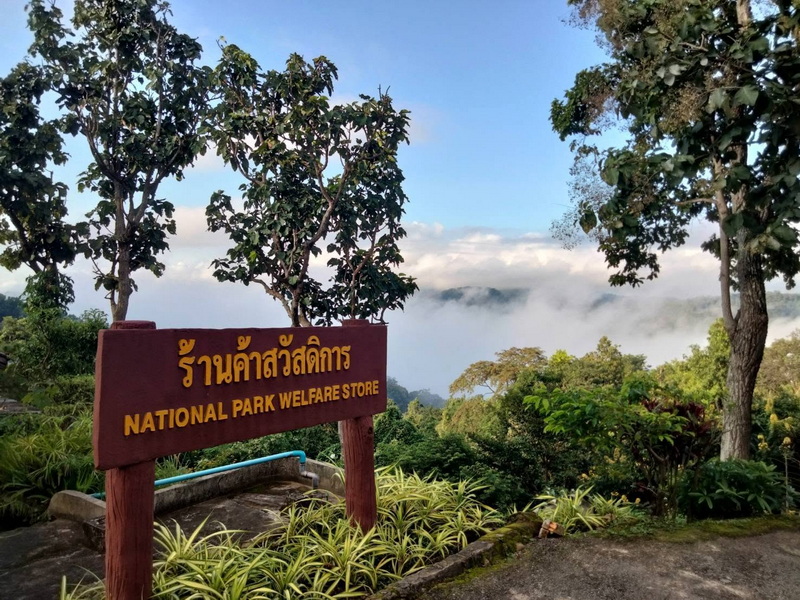
A sign for Pha Daeng National Park surrounded by greenery and trees.

Pha Daeng National Park lies in close proximity to Ban Yang Pu Toh and is celebrated for its dramatic mountain landscapes, dense forests, and diverse wildlife. The park’s trails offer opportunities for more extensive trekking and nature observation, including viewpoints that overlook the valleys and peaks of the Chiang Dao mountain range.

For travelers on a day trip, the park provides an ideal setting to experience northern Thailand’s natural beauty beyond the village environment. Its protected status ensures that visitors can enjoy pristine ecosystems and engage with conservation efforts that preserve the region’s environmental heritage.

Planning Your Visit

Ban Yang Pu Toh stands as a meaningful destination for those wishing to combine physical adventure with cultural depth on a Chiang Dao Day Trip Trekking From Chiang Mai . Its well-preserved natural surroundings and welcoming village community create the perfect setting for immersive experiences that respect and celebrate local traditions . By engaging thoughtfully with the trekking routes and village homestays , travelers not only enjoy the scenic and cultural richness of northern Thailand but also contribute positively to the sustainability of the region . This balance of exploration and ethical engagement distinguishes Ban Yang Pu Toh as a must-consider option for travelers seeking Things To Do In Chiang Mai that go beyond conventional sightseeing . The nearby attractions of Tham Chiang Dao and Pha Daeng National Park further enhance the appeal , offering additional layers of natural wonder to complement the village’s cultural offerings .

Wednesday, July 29, 2026

Chiang Dao Cave Guided Tours and the Beautiful Caves in Chiang Mai

Chiang Dao Cave Guided Tours and the Beautiful Caves in Chiang Mai

Explore the natural wonders of Chiang Dao Cave with expert guidance and discover stunning cave formations and nearby trekking adventures.

Dark cave interior with hanging stalactites and a person illuminated by bright lights at Chiang Dao Cave.

Nestled in the mountainous region of Chiang Dao, north of Chiang Mai city, Chiang Dao Cave offers a captivating journey beneath the earth’s surface, revealing spectacular limestone formations shaped over millennia. For travelers seeking to connect with nature’s artistry and geological marvels, a guided cave tour provides an immersive experience that goes beyond simple sightseeing. These tours not only illuminate the cave’s natural beauty but also enrich visitors’ understanding of the geological processes and cultural significance that make Chiang Dao Cave a must-visit destination. Guided Cave Tour Chiang Dao experiences invite explorers to traverse winding passageways adorned with stalactites and stalagmites, while knowledgeable guides interpret the cave’s unique features and history. Beyond the cave itself, the surrounding area presents a wealth of things to do in Chiang Mai for nature enthusiasts, including scenic trekking routes and soothing mineral hot springs. This article delves into the highlights of Chiang Dao Cave’s guided tours, showcases some of the most beautiful caves in Chiang Mai, and introduces nearby attractions that complement the cave exploration for a well-rounded adventure.

The Enriching Experience of Guided Cave Tour Chiang Dao

Embarking on a guided cave tour at Chiang Dao Cave transforms a simple visit into an educational and awe-inspiring adventure. The cave system itself is an extensive network carved from limestone, featuring chambers of varying sizes, underground streams, and intricate rock formations that tell a story of geological evolution spanning thousands of years. A guide’s expertise reveals these natural wonders in detail, explaining how water erosion and mineral deposits have sculpted the cavern’s dramatic interiors.

Guides also provide insights into the local culture and history, highlighting the cave’s significance to nearby communities and its role as a spiritual site for some. This contextual knowledge allows visitors to appreciate the cave not only as a natural phenomenon but as a living part of the region’s heritage. Additionally, guided tours ensure safety and offer deeper access into areas that might be challenging to navigate alone, making the experience suitable for a wide range of travelers including families and nature enthusiasts.

Close-up of stalactites and stalagmites inside a dark underground cave at Chiang Dao Cave.

The gradual lighting inside the cave during the tour enhances the visual impact of the rock formations, casting shadows that emphasize their texture and scale. Visitors often find themselves marveling at vast chambers illuminated softly to reveal towering stalagmites and delicate stalactites, some of which have formed over millions of years. These tours typically take a few hours, allowing ample time to absorb the cave’s atmosphere and natural artistry.

Discovering Beautiful Caves in Chiang Mai Beyond Chiang Dao

Chiang Mai province is home to numerous limestone caves, each with unique characteristics that appeal to different types of explorers. While Chiang Dao Cave stands out for its size and complexity, several other caves offer stunning natural features and tranquil settings. These caves often serve as quiet retreats for reflection and photography, showcasing the region’s geological diversity.

Many caves in Chiang Mai feature formations with striking colors and textures, from translucent mineral deposits to rugged rock surfaces shaped by centuries of water flow. Visitors interested in cave temples will find some caves adorned with Buddha statues and shrines, blending natural beauty with cultural reverence. Exploring these caves provides a deeper appreciation for how nature and human devotion intertwine in this part of Thailand.

Inside a cave with orange stalactites hanging from the ceiling and rock formations on the walls at Chiang Dao Cave.

Whether seeking dramatic chambers filled with shimmering calcite or smaller, intimate caves with serene pools and delicate formations, travelers can find a variety of beautiful caves to explore. Guided tours often highlight these features, offering context about the caves’ formation and their ecological importance, which helps foster a respectful and mindful approach to cave visitation.

Complementary Things To Do In Chiang Mai Around Chiang Dao Cave

The area surrounding Chiang Dao Cave is rich with outdoor activities that complement the cave exploration experience. Among the most popular is Ban Yang Pu Toh trekking, a trail that weaves through lush forests and scenic mountain landscapes. This trek offers a chance to immerse oneself in northern Thailand’s natural environment, with opportunities to spot local flora and fauna along the way.

Four black statues covered with yellow cloth sitting against decorated wall behind at Chiang Dao Cave.

After an invigorating trek, visitors often seek relaxation at the Ban Yang Pu Toh mineral hot springs. These natural springs provide soothing warm waters reputed for their therapeutic properties, making them an ideal spot to unwind and rejuvenate after exploring caves and trekking trails. The mineral springs are nestled in peaceful surroundings, enhancing the overall sense of harmony with nature.

Together, these activities create a well-rounded itinerary for travelers who want to experience the natural beauty and tranquility of Chiang Dao beyond the cave itself. The combination of guided cave tours, trekking, and hot springs offers a balanced mix of adventure, education, and relaxation that appeals to a wide variety of travelers.

Nearby Attractions

Ban Yang Pu Toh trekking

Two people standing on a forested viewpoint overlooking mountains at Ban Yang Pu Toh trekking.

Ban Yang Pu Toh trekking is a rewarding outdoor activity located near Chiang Dao Cave, offering trails that meander through verdant forests and along rugged mountain slopes. The trek highlights the region’s rich biodiversity and provides panoramic views of the surrounding landscape. It is an excellent choice for travelers seeking to combine physical activity with immersive nature experiences in northern Thailand.

Ban Yang Pu Toh mineral hot springs

Small outdoor hot spring pool with bamboo fence and wooden roof cover at Ban Yang Pu Toh mineral hot springs.

Close to the trekking routes, Ban Yang Pu Toh mineral hot springs present a natural retreat renowned for their warm, mineral-rich waters. These springs are a popular spot for relaxation and are believed to have health benefits, making them a perfect complement to the outdoor adventures around Chiang Dao. Visitors can soak in the soothing waters while enjoying the serene forested environment.

Planning Your Visit

Chiang Dao Cave stands as a remarkable testament to the natural forces that have shaped northern Thailand’s landscape over countless centuries. Participating in a guided cave tour enriches the visitor experience by unveiling the geological secrets and cultural narratives embedded within the cave’s depths. Beyond the cave, the surrounding region offers diverse activities such as trekking and mineral hot springs that enhance the overall journey into this beautiful part of Chiang Mai. For travelers drawn to natural beauty and educational exploration, Chiang Dao and its environs provide an inspiring destination where every step reveals new layers of wonder. Whether marveling at intricate limestone formations or soaking in warm springs after a forest trek, visitors leave with a deeper appreciation for the landscapes that shape this unique corner of Thailand.

Sunday, July 26, 2026

Hiking and Trekking Experiences at Doi Luang Chiang Dao

Hiking and Trekking Experiences at Doi Luang Chiang Dao

Explore the rich hiking landscapes and natural wellness escapes surrounding Doi Luang Chiang Dao in northern Thailand.

A sunrise casts light over the silhouette of Doi Luang Chiang Dao mountains.

For those seeking a blend of challenge, beauty, and tranquility, Doi Luang Chiang Dao stands out as one of northern Thailand’s most compelling trekking destinations. This iconic limestone massif rises dramatically above the Chiang Dao valley, inviting hikers and trekkers into a world where mist-laced forests, rare flora, and sweeping panoramas are the norm. The mountain’s allure lies not only in its physical grandeur but also in the immersive experience it offers to those venturing along its trails. Hiking Chiang Mai is a popular search for travelers, but the Doi Luang Chiang Dao Trek offers something distinctly unique. The routes here wind through ancient forests, traverse diverse ecological zones, and reward those who reach the summit with breathtaking views that stretch across the northern Thai landscape. Whether you’re an experienced trekker or an active traveler looking to deepen your connection with nature, Doi Luang Chiang Dao has a route to match your ambitions. Private tours in Chiang Mai have become a favored approach for many visitors, providing flexibility and insight into the region’s natural and cultural tapestry. These guided experiences can help travelers navigate the area’s protected status and conservation guidelines, ensuring a responsible and enriching journey. Beyond the trek itself, the area surrounding Doi Luang Chiang Dao offers opportunities for further exploration and relaxation, most notably at Ban Yang Pu Toh trekking trails and the nearby mineral hotsprings—ideal for unwinding after a day on the mountain. This article is designed to help you understand the trekking environment at Doi Luang Chiang Dao, how private tours fit into the adventure, what you can expect from the trails and the landscape, and how to integrate nearby wellness escapes into your trip. With detailed insights and practical guidance, you’ll be ready to plan a confident and memorable hiking experience in one of Thailand’s most extraordinary natural settings.

The Hiking and Trekking Environment at Doi Luang Chiang Dao

Doi Luang Chiang Dao, the third highest peak in Thailand, is revered for its wild, unspoiled character. Rising to 2,225 meters, the mountain is part of the Chiang Dao Wildlife Sanctuary and Doi Luang Chiang Dao Forest Park, areas recognized for their exceptional biodiversity and conservation value. The trails here cut through a mosaic of montane forests, bamboo groves, and exposed limestone ridges. Hikers will notice dramatic changes in vegetation as they ascend, with lower slopes shaded by lush evergreen forests and higher elevations home to rare alpine flora.

The Doi Luang Chiang Dao Trek is renowned for its natural diversity. Birdwatchers may glimpse endemic species, while those interested in botany will find the mountain’s limestone karst ecosystem supports a surprising variety of orchids and medicinal plants. The terrain can be rugged and steep in places, with some sections requiring careful footing, especially after rain. However, the rewards are abundant: panoramic views, cool mountain air, and the quiet sense of remoteness that defines the trekking experience here.

Seasons play a significant role in shaping the hiking environment. The dry season, spanning roughly from November to March, is considered the most favorable time for trekking, offering clear skies and reduced risk of slippery trails. During the wetter months, mist and cloud often cloak the summit, adding a mystical atmosphere but increasing the challenge of the hike. Regardless of the season, preparation and respect for the mountain’s natural rhythms are essential.

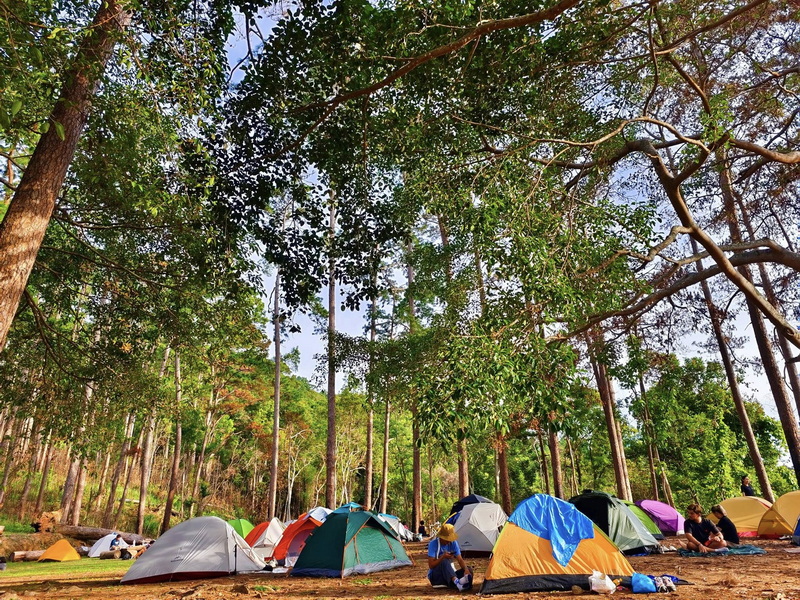
Sunrise illuminating the mountainous landscape, with tents set up among the trees at Doi Luang Chiang Dao.

How Private Tours Shape the Doi Luang Chiang Dao Trek

Private tours in Chiang Mai have transformed the way many visitors approach trekking in the region, and Doi Luang Chiang Dao is no exception. These tours, often led by experienced local guides, offer several advantages: personalized pacing, in-depth knowledge of the terrain, and insights into the area’s unique ecology. For those new to the region or unfamiliar with Thai protected areas, a private tour can simplify logistics and ensure that conservation guidelines are followed.

Guides typically share information about the local flora and fauna, explain the cultural significance of the mountain to nearby communities, and help trekkers navigate the sanctuary’s rules. Many private tours also include transport from Chiang Mai, meals, and overnight arrangements—useful for those undertaking longer routes or wishing to summit at sunrise. While group tours are available, private tours remain a popular search for travelers prioritizing flexibility, privacy, or a tailored trekking experience.

It is important to note that access to Doi Luang Chiang Dao is regulated to protect its sensitive environment. Visitor numbers are limited during certain periods, and permits are often required. Private tours can manage these requirements on your behalf, further reducing the stress of planning and allowing you to focus on the adventure itself.

Ban Yang Pu Toh Trekking and Mineral Hotsprings: Complementary Experiences

A couple standing on a wooded viewpoint, possibly near Ban Yang Pu Toh trekking.

For those seeking to extend their outdoor adventures, Ban Yang Pu Toh trekking offers a rewarding alternative to the main Doi Luang Chiang Dao routes. Located nearby, this area presents gentler trails winding through secondary forests and local farmlands. The paths here are ideal for travelers interested in a less demanding hike or for those wanting to immerse themselves in the rhythms of rural northern Thailand. Along the way, trekkers may encounter small streams, local plant life, and traditional villages, fostering a deeper appreciation for the landscape’s cultural context.

Lush forest area near Doi Luang Chiang Dao.

After a day of hiking, few things compare to the restorative experience of soaking in a natural mineral hotspring. The Ban Yang Pu Toh mineral hotsprings, located within reach of the trekking trails, provide a tranquil setting to relax tired muscles and reflect on the mountain’s grandeur. The springs are set amid lush greenery, offering a peaceful contrast to the rigors of the trail. Many travelers choose to end their trekking day here, letting the warm mineral waters ease the transition from adventure back to relaxation.

Integrating Ban Yang Pu Toh trekking and the mineral hotsprings into your Doi Luang Chiang Dao journey creates a well-rounded outdoor experience, balancing exertion with wellness and connecting the region’s rugged natural features with its gentler, restorative side.

Understanding Hiking Conditions and Practical Planning

Hiking Chiang Mai’s mountainous landscapes requires attention to both environmental conditions and personal preparation. At Doi Luang Chiang Dao, trails can vary from well-trodden paths to rocky, narrow ridges. Sturdy footwear, layered clothing, and sun protection are essential, as temperatures can fluctuate widely between day and night. Water sources on the mountain are limited and untreated, so carrying sufficient water and purification methods is advised.

Trees and distant mountains seen from a viewpoint at Doi Luang Chiang Dao.

Permits and conservation regulations are an important consideration for all trekkers. The mountain’s protected status means that visitor numbers are controlled, and hiking is typically restricted to the dry season. It is advisable to check the latest conditions and access requirements before planning your trip. Private tours in Chiang Mai can be particularly helpful in managing these logistics, securing permits, and arranging local transportation.

For those undertaking the Doi Luang Chiang Dao Trek, overnight stays are often part of the experience. Simple campsites or designated refuges are available along the route, but facilities are basic. Trekkers should be self-sufficient, carrying all necessary equipment and practicing Leave No Trace principles to minimize impact on this sensitive mountain environment.

Preparation is key to a successful trek—research the weather, confirm entry requirements, and consider the benefits of a guided experience for both safety and enrichment. With careful planning, the trek up Doi Luang Chiang Dao becomes not only an adventure but also a respectful engagement with one of Thailand’s most precious natural landscapes.

Nearby Attractions

Ban Yang Pu Toh trekking

Ban Yang Pu Toh trekking presents a gentler hiking alternative near Doi Luang Chiang Dao. The trails wind through verdant countryside, offering opportunities to observe local agriculture, forest edges, and everyday village life. This area is well suited to travelers who wish to experience the region’s landscapes at a slower pace or who prefer less strenuous routes than the main summit trek. The atmosphere here is peaceful and authentic, providing a window into the natural and cultural tapestry that surrounds the iconic mountain.

Ban Yang Pu Toh mineral hotsprings

Circular mineral hot spring pool at Ban Yang Pu Toh with a bamboo roof at Ban Yang Pu Toh mineral hotsprings.

After a day of hiking, the Ban Yang Pu Toh mineral hotsprings offer a soothing retreat. Nestled amidst greenery, these natural springs are renowned for their warm, mineral-rich waters. Visitors often use the hotsprings to relax tired muscles and enjoy a moment of tranquility. The setting is serene and unspoiled, making it an ideal complement to the physical challenge of trekking in the Doi Luang Chiang Dao area.

Planning Your Visit

Doi Luang Chiang Dao is more than just a mountain to climb—it is a gateway to the heart of northern Thailand’s natural beauty and a testament to the rewards of immersive, responsible travel. By understanding the trekking environment, leveraging the expertise of private tours in Chiang Mai, and balancing adventure with restorative experiences like Ban Yang Pu Toh trekking and mineral hotsprings, you can craft a journey that is both challenging and deeply fulfilling. Preparation, respect for conservation guidelines, and curiosity about the region’s landscapes and communities will ensure your Doi Luang Chiang Dao Trek is not only memorable, but also meaningful. As you plan your adventure, let the mountain’s quiet grandeur inspire confidence and wonder, setting the stage for an unforgettable encounter with Thailand’s wild north.

Thursday, June 2, 2016

Tour from Chiang Mai to Lumpang and Lamphun

Private Tour Chiang Mai to Lamphun and Lampang

Leave from Chiangmai accommodation and drive south towards the city of Lampang province. Visit Phra That Lampang Luang Temple, a antiquated wat in the north, The temple is among the finest examples of Lanna style structure in Thailand. Its viharns that are open on all sides are representative of the early Lanna architecture. 
While some temples have been renewed using modern materials and modern construction techniques, the Wat lampang luang has been preserved in its primal state. The temple was founded in the 13th century. Its name paraphrase to “the temple of Lampang’s Great Buddha Relic”. The buildings is a mingle of Lanna and Thai Lu styles. Continue to Lampang, Discover the adjacent village by the Horse Carriage (symbolic of Lampang) in a relax atmosphere.
Lampang is also referred to as the city of horse carts. It is the only city in Chiangmai that horse carts are still part of daily city life. Most Lampang tours include a horse cart ride.

Visit Hariphunchai which as soon as was one of the kingdom within the Northern Thailand. Go to probably the most beautiful royal wat in Lumphun province. Prathat Hariphunchai Temple, constructed some 800 years ago during the reign of King Arthitayarat; a progeny of Queen Chamthewi. A principal should do is the 46-metre-tall golden pagoda, and its lagniappe appearance was the offspring of the restoration work in 1443 by a king of Chiangmai. And subsequently drive to Wat Jamdevi

Jammathevee is named after Queen Jammathevee the first ruler of Haripunchai or very widely known amongst native other people as “Wat Ku Kut” meaning the Stupa that has no top due to the lightning strike. The design of the temple stupa is special with niches containing Buddha sculpture.
On the way back to Chiang Mai driving along the Sarapee Avenue with the official name of Chiangmai-Lamphun Road (Route 106), you may notice the idyllic, imposing trees that grace the roadside for approx ten kilometers. One may believe the trees were planted by the local administration to beautify the roadside. Indeed this may be true. At any rate, a little researching of local history and legend reveals a much more interesting story.

Thursday, January 21, 2016

Circle Trip Chiang Mai to Maehongson Tour three days two nights

Maehongson Package Tours 3 days 2 nights loop Pilgrimage from Chiangmai

Maehongson is one among northern Thailand's most famous multi-day excursions. This Maehongson tour packages is a loop that starts and finishes in Chiang Mai, taking in superior mountain and river scenery together with interesting towns to explore.
First Day Maehongson Tour Loop :
We switch from Chiangmai Metropolis in the morning. For in the beginning day tours originates in Chiangmai and travels northwest 150 km on some erect and meandering roads via the mount bushiness to the quaint riverside city of Pai. The surroundings is breathtaking along the way and we break at at Huai Nam Dong National Park, which is a bit over midway to Pai and lunch.
Huai Nam Dang is usually a part of a visit to Maehongson since you go it on Highway 1095. Huai Nam Dang National Park covers an area of one hundred eighty sq. kms. of Amphoe Mae Taeng, Chiang Mai and Amphoe Pai, Maehongson. A lot of the areas are ranged highlands. The mountain has a verdant forest, which is the supply of tributaries and numerous streams.
Sights embrace: Huai Nam Dang Viewpoint or Doi Kiu Lom overlooks Doi Chiang Dao and is a superb spot to see dawn amid cloudy valleys in the early morning. To get there, drive alongside Mae Malai-Pai Highway to between Km. sixty five-sixty six, after which take a 6-kilometre access highway to the park office.
Spotlight : Doi Chang Viewpoint is positioned 20 kms. past the Huai Nam Dang Viewpoint. Only a 4-wheel vehicle could make the trip. The scenic views of pure mountain ranges and early morning sea of cloud might be seen from here.
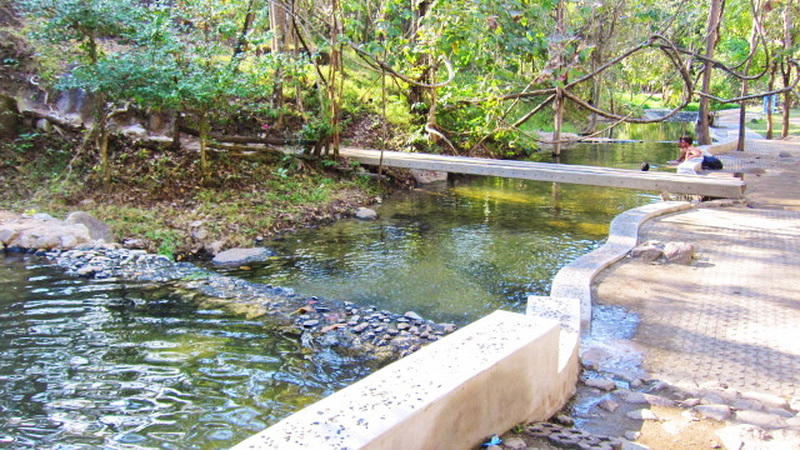
Subsequently visit Pong Num Ron Tha Pai (Tha Pai Hot Spring). Take a mineral tub for half hour in any other case kick on to Pai. Tha Pai Hot Spring are one of many focal factors of Huai Nam Dang National Park, in Maehongson province, eight kilometers south of Pai. The springs supply various bathtubs for guests to wash in, and it is usually attainable to wash in the stream that runs through the site. The water from these springs is alleged to have strong therapeutic value.
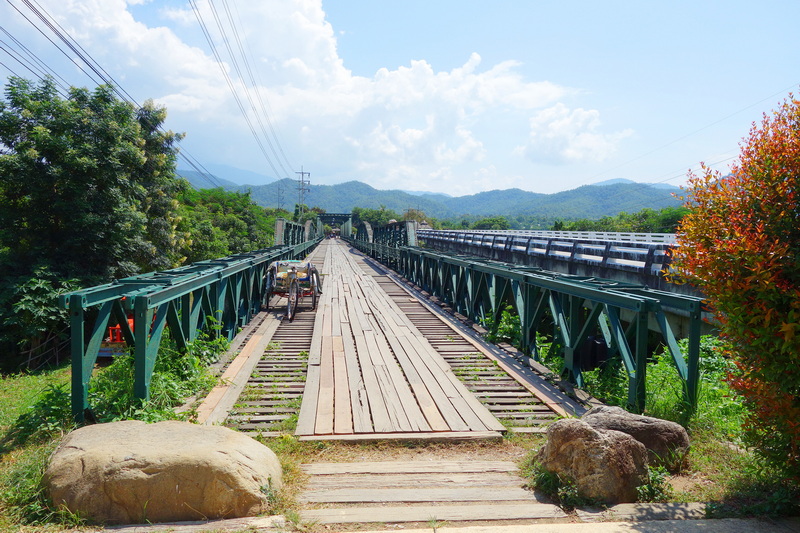
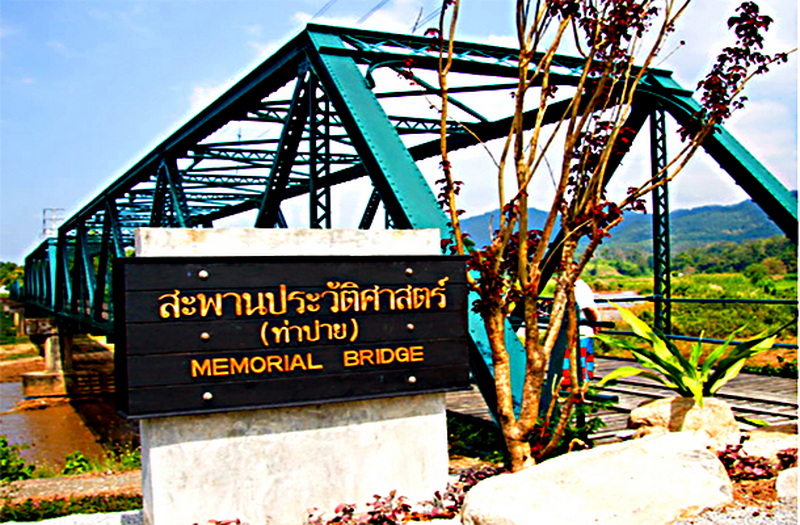
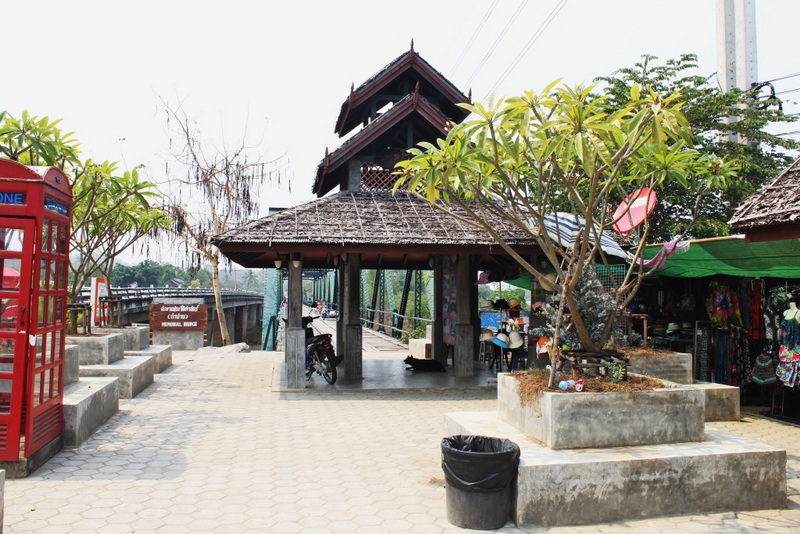
Continue to cease at Second World War Memorial Bridge that crosses the Pai River. Afterward take a journey within the elegant flowers garden and have some espresso earlier than you go to Pai Canyon. This small but beautiful canyon is situated in the center of Pai Valley.
The last destination on the this day loop, also worth spending an in a single day at is the town of Pai, an sudden discover in a remote mountain valley. Twenty years in the past the town of Pai was once just a few filth roads and outlets, as tourists quickly found the pure fantastic thing about the Pai River and it’s surrounding valley, businesses and growth followed not lengthy after and it was the little backpacker settlement that it's today. Standard amongst hippy and artistic types both Thai and foreign alike, the feel may be very much new age. This small town is full of bohemian model cafes, eating places, bookstores and guesthouses.
Tonight, we keep at Baan Pai Village. We love a nice hut with nice garden view in the principle space of Pai walking street.
Second Day Maehongson Tour Loop :
We are going to start with a morning trip to Mae Yen temple to enjoy the views over the sleepy town of Pai and the Pai river valley.
Mae Yen temple is small temple on a hill 2 km from Pai is very attention-grabbing for its setting and the view overlooking the city you have from it. The 353 steps long staircase to succeed in the temple is charming even should you can skip it and take the highway to access to Wat Phra That Mae Yen. The temple consists of two structures and a few small golden pagodas. In front of the temple way in, there is a little market with stalls where you can buy products, mainly hats and scarves knitted by the seller. They are often very helpful as a result of it is cold at night and in the early morning in Pai.
Afterwards visit to Santichon Village or Chinese Yunnan Village and lunch.
Yunnan Cultural Village gives the way of life and Chinese clay houses. Tourists can style the green tea and pork hocks with buns at Baan Santichon surrounded by the mountains of Pai. At Santichon village, now we have to try genuine Yunnan Chinese food similar to pork hocks, buns, steamed black rooster with Chinese language herbs, fried shiitake mushroom, and Yunnan woman’s salad.
We will and afterwards make our means towards Mae Hong Son stopping at Tham Lod (Lod Cave) the place we will explore on bamboo rafts deep into the darkness of these caves. About 40 kilometres from Pai we'll find Soppong (which additionally goes by Pangmapha), which is much more to our liking. Well-known for Tham Lod, a large cave you can raft by, that is an area of particular beauty. Cave Lodge is taken into account the trekking hub for the area.
Tham Lod is taken into account considered one of Thailand's most impressive caves, partly for its dimension, partly for its engaging limestone stalactite formations and partly for the unusual coffin cave hidden within the principle cave. In its entirety, Tham Lod is greater than 1.5 km in length, that is still significantly smaller than among the caves that can be seen in neighbouring Laos and further afield in Vietnam.
The Lang River flows through greater than a 3rd of the cave's length, giving you an opportunity to float by on bamboo rafts floating along within the darkness, listening to and smelling the bats overhead, makes for a singular experience. A typical visit includes a float by among the cave followed by climbing through different parts to see the coffin cave and a few different caverns.
Our next cease shall be fish cave where you'll be able to see an plentiful array of cave dwelling fish.
Thereupon we are going to drive up into the hills around Maehongson and cease to calm down at Phu Klon health mineral mud spa.
Phu klon geographically means a mud supply and natural mineral spring which is between 60-140 C. Rising along with the mineral water boiling black mud is clean, free from sulfur odor and stuffed with healthy mineral for the pores and skin and blood circulation.
An in a single day stop in Maehongson Town.
The Last Day of Maehongson Tours Loop :
Maehongson drive to Doi Kong Mu Temple. The principle sights are the white chedis and luxurious view. Doi Kong Mu Temple. This temple is especially atmospheric within the early morning with mist and low cloud usually filling the valley below. By noon, the heat of the solar normally clears the air to depart beautiful views of the valley under and mountains beyond. The bigger pagoda was in-built 1860 and contains the relics of Phra Moggalana, one of the disciples of Buddha. The smaller pagoda was created in 1874, by Phraya Singhanatracha, the primary governor of Maehongson.
After breakfast at an area eating house in
Afterwards visit to Karen Longneck Village, Karen Longneck Village area was larger, with a number of homes, a church and even a school. The village wasn’t fully occupied by simply the long neck women, with some of the ladies as an alternative displaying elongated ear lobes, rings around their calves, and even some in just plain garments with no bodily adornments. Most of the ladies have been congregating collectively while the lengthy neck women would sit by their homes, with handmade goods on show for purchase.
After lunch visit Kaew Komol Cave or Diamon Cave (Calcite cave, there's solely three locations within the world.). It is vitally stunning however not enable to take an image inside. Kaew Komol Park is a forest park with a hot spring (now coated by the brand new Mae Hu reservoir) and fluorite mines. The cave was discovered inside a now deserted fluorite mine. Clearly the geology is quite sophisticated and attention-grabbing for a karst area. A outcome are really extraordinary speleothems, like popcorn calcite, aragonite and other strange things. This cave is said to be the most beautiful cave of Thailand.
At last tour, back to Chiang Mai on soutern route and have a dinner at Ob-Luang National park by the river.

Thursday, January 7, 2016

Tour to Wat Phra Singh Chiang Mai

Wat Phra Singh extraordinary insight into the Buddhist way of life

Chiangmai's mainly honored wat, Wat Phra Singh attracts  pilgrims and holidaymaker for its dweller Lord buddha and its vintage Lanna art and architecture. Voyager should dress gently.

Phra Singh temple (Lion Buddha), the temple's illustrious sculpture, is housed in Wihan Lai Kham, a small sanctuary to the back of the wat grounds next to the stupa (pagoda). The building brags a Lanna-style three-tiered roof and carved triangular end of a roof. Inside are stately lai·krahm (gold-pattern stencilling) and painting despite Phra Singh's glorious status, very little is really known about the statue. It is consider one of essentially the most beautiful specimen of Lanna religious drawing thanks to its thick human-like features and lotus-shaped topknot. Because you will find two nearly identical image in Nakhon Si Thammarat and Bangkok, no one knows if this is the real one, nor can any person document its place of origin. Unreflecting, this Phra Singh image came to reside here around the 1360s, and is now a fixture in the religious ceremonies of the Songkran festival.

Phra Singh temple was created in 1345 by King Pha Yu for the ashes of his faher, King Kham Fu. It may have been the primary monastery to house the Emerald Lord buddha, which later resided in Chidi Luang temple and is now enshrined in Wat Phra Kaew, Bangkok. The wat is named for the Lord buddha image it housed in 1367, the Phra Singh (Lion Lord buddha). The wat-monastery knock down into disrepair as Chiang Mai's population declined in the 18th century, but restoration began in the early 19th century under Chao Kawila. The labor continued under his successor, Chao Thammalangka, who commissioned the art work in Viharn Lai Kham.

What to See at Phra Singh temple
Viharn Luang
The biggest construction in the temple is the Viharn Luang. The original viharn was constructed towards the end of the 14th century, but was replaced by the current construction in 1925. This spectacular viharn houses a very highly revered Lord buddha image named Phra Chao Thong Tip. This gold and copper sculpture of a seated Lord buddha was cast in 1477.

Viharn Lai Kham
constructed in 1345, and renovated in early 19th Century, the Lai Kam assembly hall at Phra Singh temple is a fine example of Lanna wat buildings. It features soaring wing-shaped roofs and lavish wood carvings and stuccos throughout. Inside, it houses Phra Singh (Lion Lord buddha), the highly venerated Lord buddha image showcasing the graceful ‘Lion’ style, believed to be influenced by Sukhothai and Indian Pala styles. Every Songkran, Chiangmai locals would invite Phra Singh in a ceremonial parade around the town’s main roads for the bathing ritual. Other interesting features inside Lai Kam assembly hallway include the wall art work depicting scenes from the local way of life and favorite folklore tales and the delicately gilded round columns, windows and wall panel behind Phra Singh.

Ho Trai 
The little monastic library (1477) has a sandstone base to protect inestimable manuscripts from deluge and pest. It is decorated with devata or thewada (Buddhist spirit) figures in high relief. You can find also several pagoda on the wat grounds, the largest one dating from 1345 and enlarged considerably since.

Phra Singh Buddha
The Phra Sihing or Phra Singh Lord buddha statue is considered furthermore elegant. It is one of a rare series of "lion" style images. The features of this design are said to be similar to those of a lost "Lion of Sakyas" statue, that  come from the Pala school in Bodhgaya, India. Every year on April 13, Songkran Day, the images is paraded on Chiangmai streets for native people to spraying perfumed water at.

This is one of top essential wat in the walled city at the core of Chiangmai. The buildings are stunning, most of all the ho tray (library) on the top of a steep staircase. One of the most important buildings houses some very beautifull murals.

Getting There : Positioned inside the old city wall, at the western end of Ratchadamnoen Road, the temple’s signature Lanna-style roofs and glittering viharn (assembly hall) invite voyager. For a great one day guided tour that includes a visit to Wat Phra Singh please see Chiang Mai Tours

Cost & opening time : The wat usually is open every day from 6 am until 5 pm. Entrance ticket is free.


Friday, November 13, 2015

3 Days Unique Tour Package Chiang Mai and Chiangrai

Three Days Exclusive Tour Package Chiang Mai and Chiangrai which mixs the activities two days in Chiang Mai and one day to Chiangrai

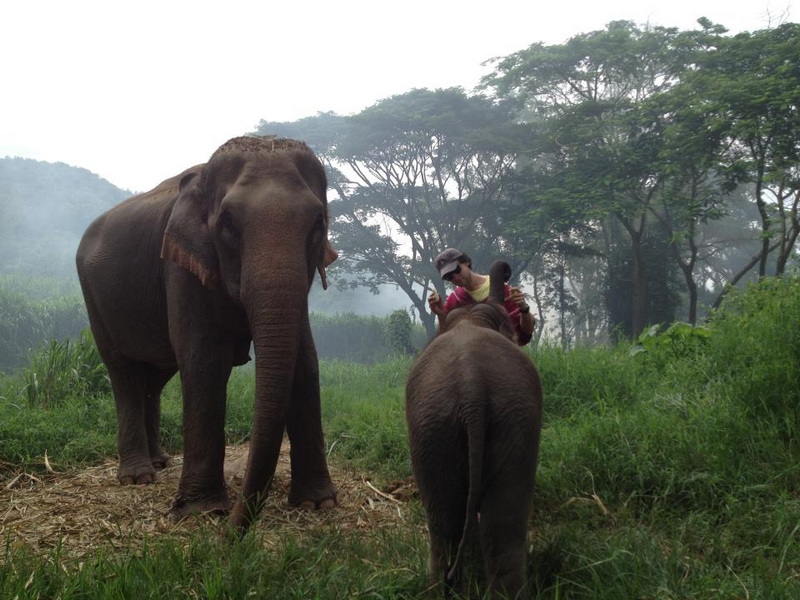
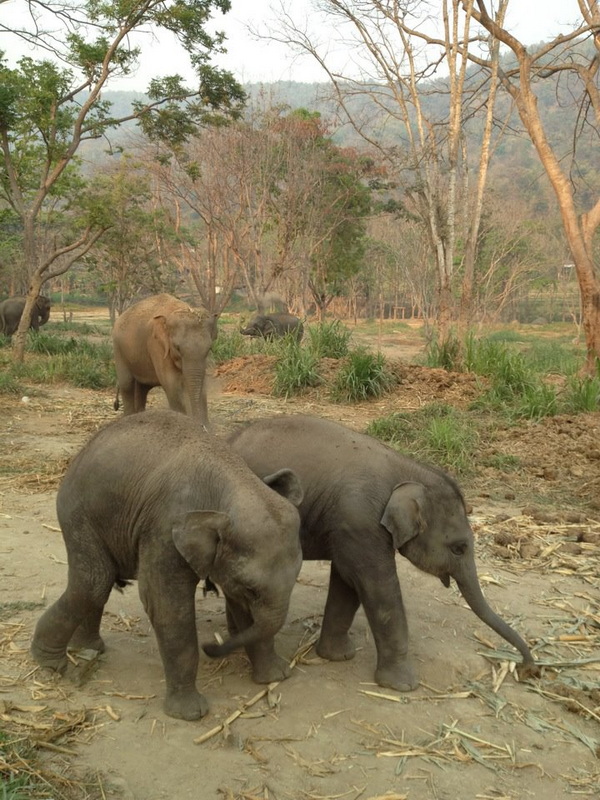
For a starting day of Package tours Chiang Mai - Chiang Rai Confrontation the tour leader at hotel about 8:30. Depart from the hostel and go to the north side of Chiangmai. Take the road No. 107 to Maetang Elephant Camp. A full day tour to visit pleasant pals at Mae tang Elephant park. First, go to watch the Demonstrations of Elephants working, hauling logs and performing varied present, as elephants being educated to work, Elephant playing soccer, Elephant portray, Elephants therapeutic massage, Elephants taking part in music. Then, to take an elephant trip throughout the river to visit a Lesu tribe village who originated within the South of China, get off the elephant at the village, take pleasure in photograph also go to the tribe After that, take a ride on the ox-cart again to the camp. Buffet Lunch shall be offered on the elephant park restaurant. After lunch, taking the bamboo raft alongside Mae Tang river, enjoy seeing beautiful scenery along the river.
Pilgrimage :


  • 8.30 Depart from your hotel
  • 9.45 Elephant Splash and Elephant show You will rarely get a chance to get such a wonderful view of elephants enjoying the water and start with seeing elephants show their special talents in many ways and how they are trained to help working in the forrest. Elephant demonstrates take approximately 50 minutes.
  • 10.30 Elephant’s back riding in the surrounding vale about 45 Mins.
  • 11.30 Ox-cart riding to elephant camp for your lunch. This has been the long-established form of transport in Thailand for centuries.
  • 12.00 Buffet lunch at the camp.
  • 13.00 Bamboo rafting Bamboo rafting on local stream.
  • 14.30 Orchid & Butterfly Farm Visit an Orchid Nursery Farm filled with unique orchid blooms, roam in a cute butterfly plantation
  • 15.30 Come to an end of the elephant safari tour.
Lastly landmark for this Package tours Chiang Mai The tour proceeds to Visit Sankampaeng Crafts Otop village presents a range of handcrafts but specializes in weaving and top quality Thai silk and Borsang brolly presents a wide range of Thai handworks but is generally eminent for its sunshade brollies.


The Chiangmai - San kampaeng road has become a living indicate of creativity, and the neat style prove of pertinacity in handcrafts. Running for 13 km. to the North of Chiang Mai, the rode is lines with factories and showrooms selling handiwork product of all descriptions. San kampaeng is the foremost popular getaway for holiday-makers to discover the making of Thai handiworks and to shop for souvenirs with some know-how of similar product in another place. Alongside of the road are lined with manufactory and showrooms that you have the chance to view the craftsmen and women at the job and buy their top quality products. Return to the city about 6pm.


Second day of Chiang Mai Packages, Visit Exploring Doi Inthanon, Thailand
The highest mountain of Thailand “Doi Inthanon” or Mountain Inthanon was originally recognized in the northern vernacular as “Doi Luang Ang Ka”, which conveys its massive extent and landscape. Mythology has it that Inthanon National Park once contained a vast basin or “Ang” in Thai. This reservoir was where crows or “Ka” generally came to drink water. So the locals named the mountain the “big crows’ pool mountain”. Subsequently the 7th ruling prince of Chiang Mai, Chao Intha Wichayanon, who once came to explore the mountain passed away, his daughter, Chao Dara Ratsami, buried her father’s ashes here to fulfill his wish. Then Doi Luang Ang Ka was change the new name “Doi Inthanon” . In 1972, Doi Inthanon was stated the 6th national park of Thailand.
On This trips we can visit summit of Thailand, King and Queen Pagoda, waterfalls, Karen village and royal project.
The height peak of Thailand
Angka Nature trail
King and Queen Pagoda
Karen Market
Wachirathan Falls
Sirithan Falls
End of this hold day program Return to the accommodation around 5:00 - 5:30 pm.
In the end of Package tours Chiang Mai - Chiang Rai. Your journey from Chiang Mai to Chiangrai, Takes in wonderful mountains views and magic surroundings from, the dales and paddy fields. Experience the historical past of large forts, the magnificence and splendour of the temples, the activity and buzz of markets and bazaars, and the traditions of a wealthy tradition.
Starting tour starts early morning. On the way in which we stop at hot springs, than off to most stunning White Temple. Strolling thru Temple was walking to Paradise.
From a viewpoint of Golden Triangle, there are magnificent views over the Mae Khong River to the bodily triangle made by Burma, Laos and Thailand on the confluence of the Ruak and Mekong River. For a small payment, you can also benefit from the boat trip to view the splendor of mighty Mae Khong River.
Continue on to Mae Sai, the farther-most northern trading border between Thailand and Burma, the place native lunch is provided.
Go to an anthropologist’s paradise in the thriving villages of the Karen, Hmong, Yao Lahu, Akha, Lisu, Shan and Lawa tribes people.
Later Lengthy Drive again to Chiangmai. Tour program & locations will likely be more fleaxible in response to climate and time. End of this hold day tour and finish off the three days exclusive Tour Package Chiang Mai to Chiangrai.