Sights in Mae Hong Son with Ban Rak Thai at the Heart
A practical sightseeing perspective on village landscapes, cultural respect, nearby stops, and private planning from Chiang Mai
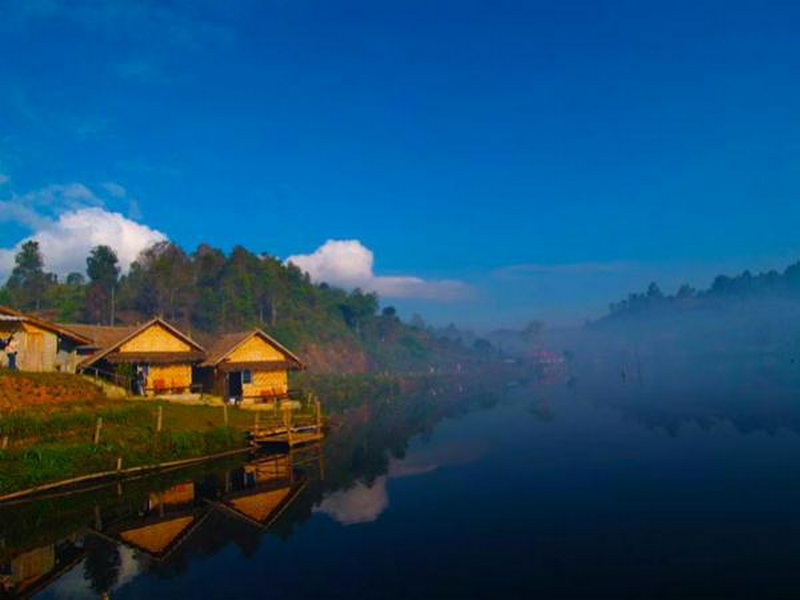
Ban Rak Thai sits in the highlands of Mae Hong Son Province near the Myanmar border, offering a very different atmosphere from Thailand’s busy urban destinations. The village is known for its mountain setting, Chinese-influenced cultural character, tea-growing landscape, and a lake surrounded by distinctive buildings and quiet viewpoints. For a first-time visitor, the appeal is less about checking off a single landmark and more about noticing how scenery, food, architecture, and everyday community life come together. As one of the memorable Sights in Mae Hong Son, the village works well as the scenic focus of a wider regional itinerary. Its distance from Chiang Mai means that transport planning matters, especially for visitors who prefer a private vehicle and flexible stops. This guide places Ban Rak Thai within the broader sightseeing landscape, then considers how nearby Su Tong Pae Bridge and Phu Klon can add variety without turning the journey into a rushed checklist. The most rewarding visit is observant and considerate. Travelers should allow time for mountain roads, changing weather, photography from appropriate places, and respectful interaction with residents. Rather than treating the village as a backdrop, approach it as a living community with its own pace and identity.
A Mountain Village with a Distinctive Sense of Place
Ban Rak Thai is located in Mueang Mae Hong Son District, Mae Hong Son, in a mountainous area of northern Thailand. The setting immediately shapes the experience: roads wind through forested hills, the air can feel cooler than in the lowlands, and viewpoints open across layered ridges. The village’s position close to the border region also contributes to its cultural character, which differs from the northern Thai style visitors may see in Mae Hong Son town or Chiang Mai.
The name Baan Rak Thai is also commonly used when people refer to the destination. Visitors may notice Chinese-inspired details in signs, food, buildings, and local traditions, alongside the broader context of life in Mae Hong Son. These features should be viewed with care and without reducing the community to a picturesque theme. A calm walk, a meal made with local ingredients, or time spent looking across the lake can be more meaningful than trying to photograph every visible detail.
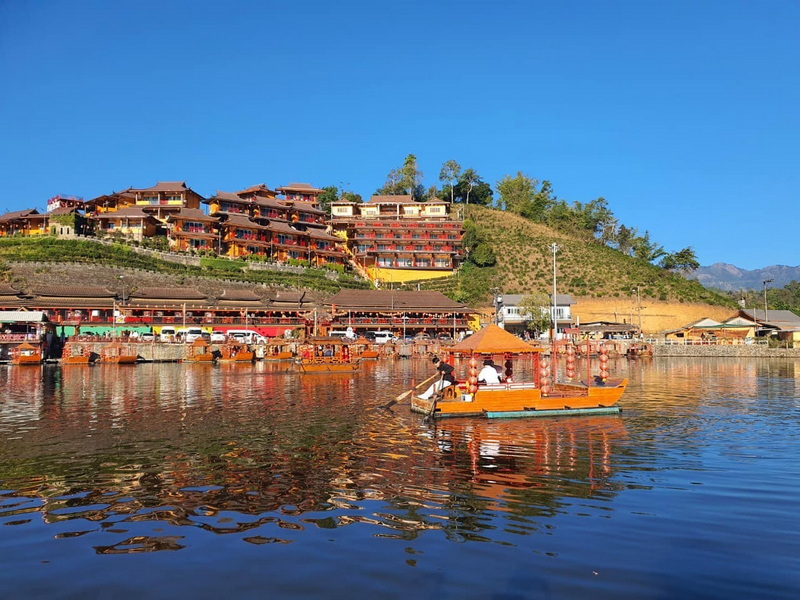
The central lake and surrounding slopes create the village’s best-known visual scene. Reflections, mist, tea terraces, and hillside homes can change noticeably with the season and time of day. Weather is part of the attraction but also a reminder to stay flexible. Cloud cover may soften the views, while clear conditions can reveal the contours of the surrounding landscape. Either way, the village rewards travelers who slow down rather than expect a single guaranteed panorama.
What to Notice During a Visit
A Ban Rak Thai Travel Guide often begins with the lake, but sightseeing here is broader than a waterside photograph. Walk gently through the village and observe the relationship between homes, small businesses, gardens, and the hills beyond. Buildings around the water provide visual interest, while the elevated terrain gives several changing perspectives as visitors move between streets and viewpoints. Keep public areas clear and avoid entering private spaces simply because they look photogenic.
Tea is an important part of the destination’s identity and landscape. Depending on the season and local conditions, visitors may see cultivated slopes or tea-related products offered by local vendors. Sampling tea can be a pleasant way to connect with the agricultural setting, but it is best to regard purchases as support for local livelihoods rather than as proof of an advertised experience. Ask permission before photographing people working, and follow any instructions given by vendors or community members.
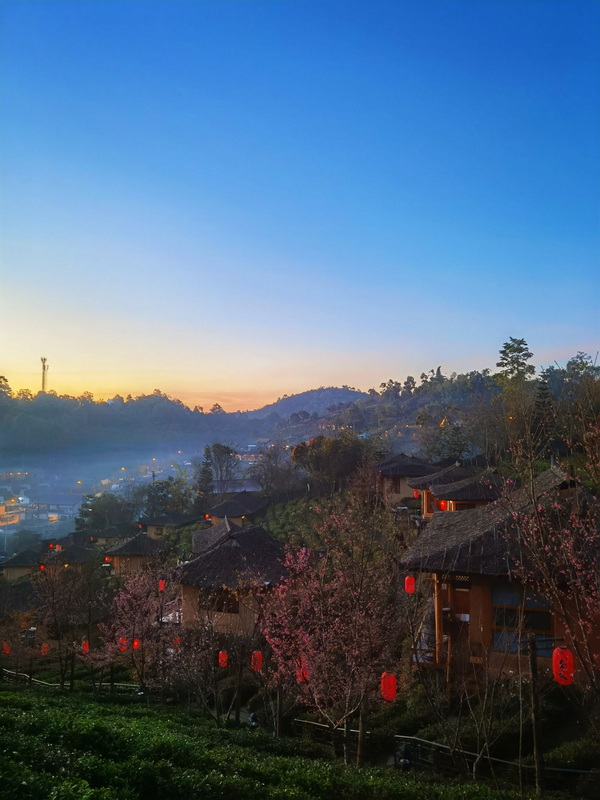
Food is another way to appreciate the village’s cultural mixture. Local eateries may offer tea, snacks, and dishes reflecting regional and Chinese-influenced traditions. Menus and availability can vary, so it is sensible to remain open-minded and avoid assuming that every establishment operates on a fixed tourist schedule. Eating at a local business, disposing of waste properly, and giving others space around busy viewpoints all contribute to more respectful sightseeing.
For visitors searching for Ban Rak Thai Mae Hong Son, the main planning question is often how long to devote to the village. The answer depends on road conditions, the wider route, and personal interest in photography, food, and walking. Rushing in for a short stop may reveal the lake but miss the atmosphere that makes the destination special. A more measured visit allows time for changing light, quiet observation, and a better understanding of the highland setting.
Contrasting Landscapes for a Broader Mae Hong Son Day
Once the village’s lake, tea hills, and community setting have had time to register, two different stops can widen the regional picture. They shift the focus from highland village character to rural craftsmanship and natural mineral features.
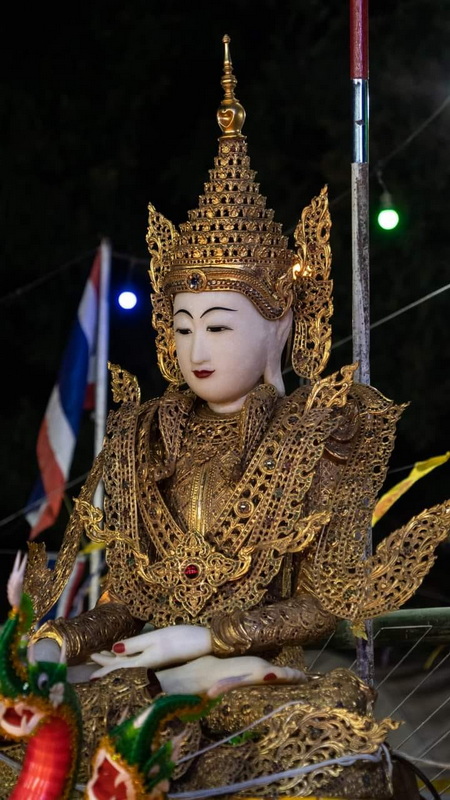
Su Tong Pae Bridge
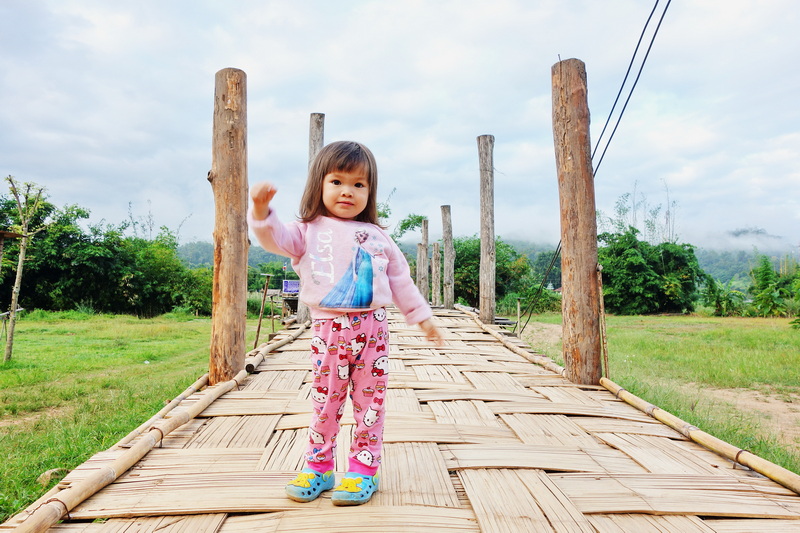
Su Tong Pae Bridge offers a gentle cultural and landscape contrast to Ban Rak Thai. Made from bamboo and linked with nearby rural fields, it is appreciated for its simple design, community setting, and views that change with agricultural seasons. The bridge is best approached with awareness that local residents may use the area for everyday purposes. Walk carefully, avoid blocking narrow sections, and ask before photographing people or activities.
Its atmosphere can complement a visit to the highland village by providing a quieter perspective on Mae Hong Son’s countryside. Rather than treating it as a fast photo stop, notice the materials, surrounding fields, and connection between the path and local life. Conditions underfoot may vary, so sensible footwear and attention to weather are worthwhile.
Phu Klon
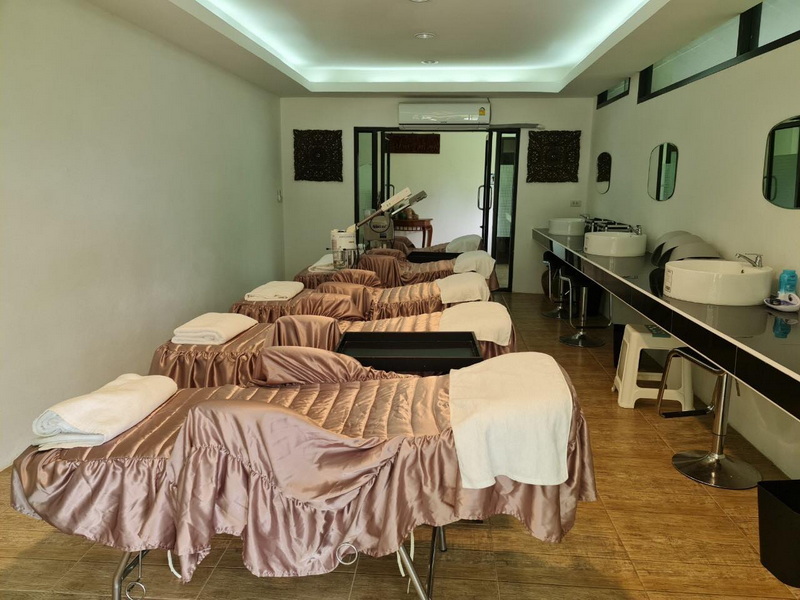
Phu Klon adds a natural and geological dimension to a Ban Rak Thai itinerary. The area is associated with mud and mineral features, giving visitors an opportunity to experience a landscape shaped by the earth rather than by village architecture or cultivated hills. Its character contrasts with the lake, tea slopes, and Chinese-influenced visual details found in the main destination.
Allow practical flexibility when considering Phu Klon, since local conditions and visitor arrangements may change. Follow site guidance, protect the surrounding environment, and do not assume that every feature is suitable for touching or entering. As part of a carefully paced route, Phu Klon can broaden the meaning of Mae Hong Son sightseeing without competing with the cultural focus of Ban Rak Thai.
Two Complementary Stops Beyond the Village
Ban Rak Thai is strongest when treated as part of a wider Mae Hong Son landscape rather than an isolated attraction. The province combines mountain scenery, cultural sites, villages, bridges, hot mineral features, and forested areas. Selecting a small number of complementary stops can make a journey feel more varied while keeping enough time for the main destination. The following two places offer a contrast to the lake and tea hills.
Su Tong Pae Bridge is a bamboo bridge associated with local community life and rice-field scenery. Its simple construction and rural setting provide a different visual experience from Ban Rak Thai’s mountain lake and clustered buildings. Depending on the season, the surrounding landscape may look especially green, dry, or freshly cultivated. Visitors should walk carefully, follow local guidance, and remember that the bridge and nearby paths are part of a lived environment rather than a stage set for tourists.
Phu Klon is known for its naturally occurring mud and mineral features and is often included in broader Mae Hong Son sightseeing plans. The site gives travelers a nature-focused contrast to village exploration, with an emphasis on the earth and mineral landscape. Conditions and visitor facilities can change, so confirm current information locally before building a detailed schedule. The most useful approach is to treat Phu Klon as a complementary stop, not as a reason to hurry through Ban Rak Thai.
Together, Su Tong Pae Bridge and Phu Klon show why regional planning can be more rewarding than focusing on one postcard view. They also make clear that distances in the hills should be considered realistically. A route that looks compact on a map may involve winding roads and slower travel. Leave room for pauses, weather changes, and the possibility that a viewpoint or activity deserves more time than expected.
Planning a Private Route from Chiang Mai
A Private Mae Hong Son Tour From Chiang Mai may suit travelers who value control over departure timing, stop selection, and the pace of a long mountain journey. This phrase describes a planning preference, not a guarantee that any particular operator, vehicle, or itinerary is available. When comparing options, ask clear questions about the route, road experience, flexibility, vehicle suitability, driver arrangements, and what is or is not included. Written confirmation is helpful when details matter.
The journey should be considered as a regional road trip rather than a quick transfer. Winding roads can be tiring, and travelers who are prone to motion sickness may want to prepare in advance. Comfortable clothing, water, sun protection, and light layers are useful because temperatures and conditions can change between valleys and higher elevations. Check current road and weather information before departure, especially during periods of heavy rain or other seasonal disruption.
A private arrangement can also support more thoughtful sightseeing when the schedule is not overloaded. Discuss whether there is enough time for Ban Rak Thai, Su Tong Pae Bridge, Phu Klon, and necessary breaks. Drivers may know practical local conditions, but visitors should still make their own decisions about safety and respect community rules. If photography or cultural visits are especially important, explain that preference early rather than trying to add many stops at the last minute.
Independent travelers can use the same principles even without booking a private service. Build a realistic route, check maps and current local information, and avoid relying on assumptions about opening hours or transport connections. For anyone planning to Visit Ban Rak Thai, the most important preparation is balancing ambition with patience. The village is rewarding because of its setting and atmosphere, qualities that are easily lost when every minute is assigned to a separate attraction.
Let the Mountain Setting Set the Pace
Ban Rak Thai brings together scenic highlands, tea culture, distinctive architecture, and a strong sense of place within Mae Hong Son. It fits naturally into a wider sightseeing route that includes Su Tong Pae Bridge and Phu Klon, provided the journey is planned with realistic travel time and room for changing conditions. Whether traveling independently or considering a private route from Chiang Mai, prioritize respectful observation over a crowded checklist. The village is most memorable when visitors give its landscape and community the attention they deserve.

No comments:
Post a Comment