Land Split Pai Through a Sightseeing and Private Tour Lens
A practical look at geological scenery, private touring, and thoughtful stops around Pai
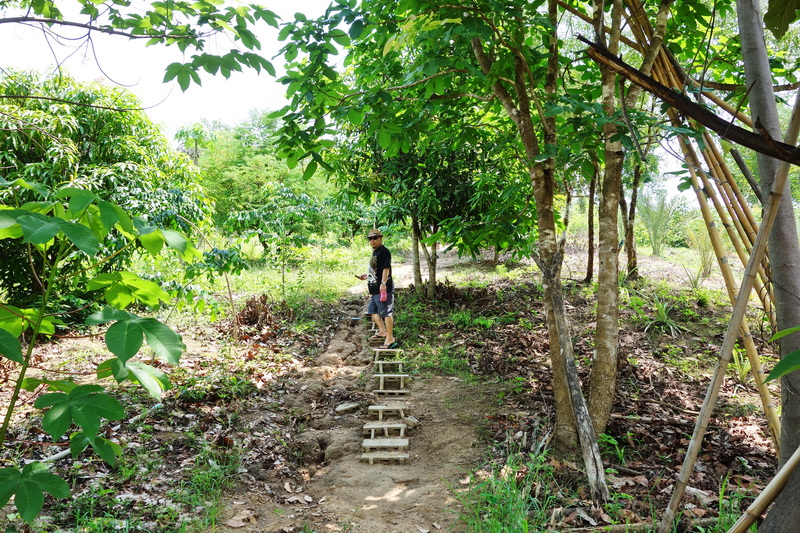
Land Split Pai is not a conventional viewpoint with a single dramatic summit. It is a rural sightseeing stop shaped by a visible crack in the ground, where natural change, farming, and visitor curiosity meet. The attraction sits in the Pai District of Mae Hong Son, an area known for mountain scenery and a relaxed pattern of small-scale stops rather than one concentrated sightseeing zone. For an independent traveler, the value of the visit lies in looking closely. The split itself provides a simple geological talking point, while the surrounding landscape helps place it within the countryside beyond Pai town. A visit can be brief, but it becomes more meaningful when combined with nearby scenery and time to observe how the site is presented by its local hosts. This Land Split Travel Guide also considers the role of private touring. A private guide or driver can help connect several sights without turning the day into a rushed checklist, although exact services, routes, and operating arrangements depend on the provider. The most useful approach is to treat Land Split in Pai as one thoughtful stop within a broader sightseeing plan for Mae Hong Son, not as an attraction that requires exaggerated claims or a fixed itinerary.
Reading the Landscape at Land Split
The main feature at Land Split is a fissure in the earth that developed through natural ground movement. Its appeal comes from the contrast between an ordinary-looking rural setting and the unusual break that interrupts it. Rather than presenting a polished theme park experience, the site encourages visitors to notice how a geological event has become part of a working landscape and a local sightseeing story.
The surrounding countryside adds much of the visual interest. Depending on the season, visitors may see cultivated areas, trees, hills, and changing shades of green around the site. These details make the stop useful for travelers who enjoy landscape observation and photography without needing a long walk or a strenuous activity. Conditions underfoot can vary, so sensible footwear and attention to the ground are appropriate.
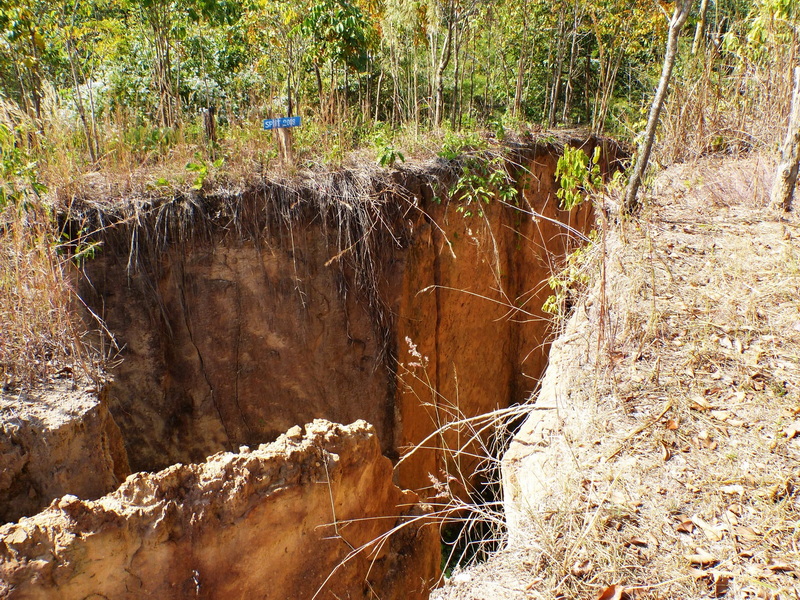
The experience is best approached with modest expectations. Land Split Thailand is not a large national park attraction with extensive interpretation or a long list of facilities. Its character is smaller and more personal. Visitors can spend time examining the formation, listening to explanations from local hosts when available, and considering how rural residents have incorporated an unexpected natural feature into the visitor experience.
Building a Broader Mae Hong Son Sightseeing Day
One reason to include the site in a wider plan is that the Pai area rewards a connected style of sightseeing. Instead of judging each stop only by its size, travelers can compare different landscapes across the day: farmland, water, forest, viewpoints, and the streets of Pai. This approach gives Sights in Mae Hong Son a more varied meaning, especially for visitors who want an impression of the province beyond famous photographs.
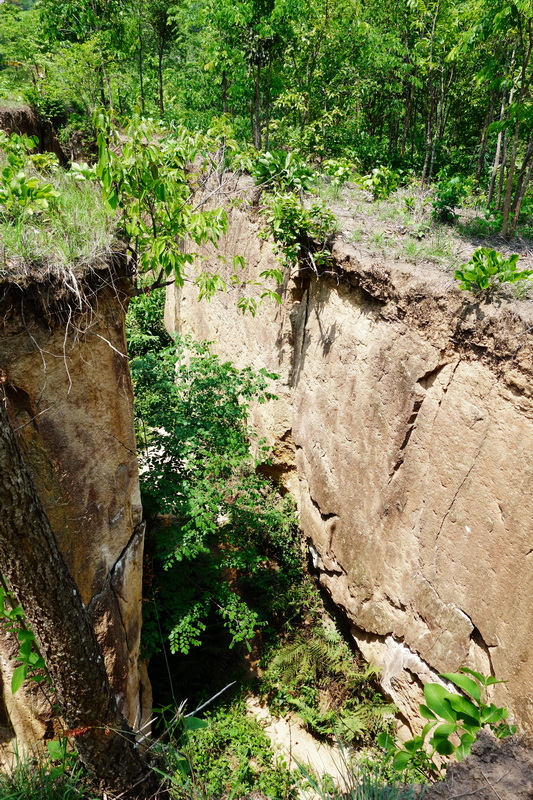
The timing of a visit should be considered in relation to personal energy, weather, and the number of other places on the plan. A short rural stop may work well between larger outdoor activities, while travelers seeking a slower day can stay longer to observe the setting. There is no need to force a particular duration. The attraction is most rewarding when the visit remains unhurried and respectful of the surrounding property and community.
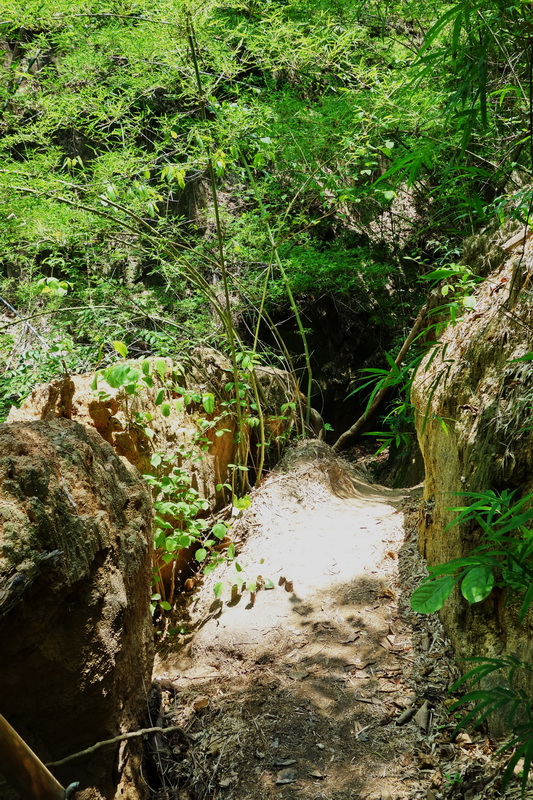
A useful sightseeing perspective also includes context. Land Split Mae Hong Son can prompt questions about local geology, farming environments, and the ways communities respond to natural change. Travelers should avoid treating the site merely as a backdrop for quick photographs. Staying within visitor areas, following any local guidance, and asking before photographing people or private activity help keep the experience considerate.
Contrasting the Rural Stop with Pai’s Other Sights
Land Split becomes easier to place within the region when the surrounding day includes more than one type of scenery. Two nearby choices provide a clear contrast: one emphasizes water and rock, while the other brings the traveler back into Pai’s social center.
Pam Bok Waterfall
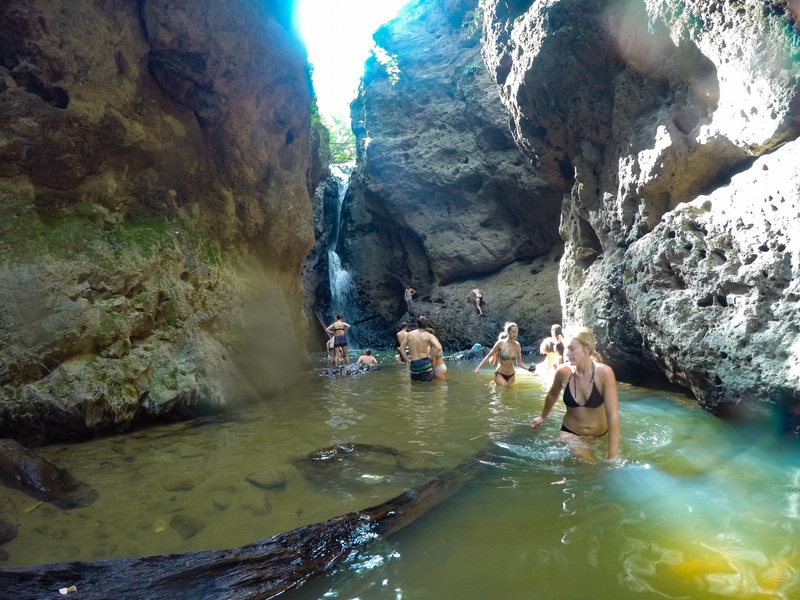
Pam Bok Waterfall offers a contrasting natural experience to the open, rural character of Land Split. Water, rock, and a more enclosed setting shift the focus from examining a ground fissure to observing how the landscape channels water through a narrow environment. The waterfall can therefore add variety to a sightseeing plan, although visitors should consider weather and ground conditions before approaching any wet or uneven area.
Including Pam Bok Waterfall after the main attraction creates a useful change of visual scale. Land Split invites close attention to a small geological feature, while the waterfall draws the eye toward moving water and surrounding rock. The two places should not be presented as identical attractions; their value lies in the contrast between them.
Pai Walking Street
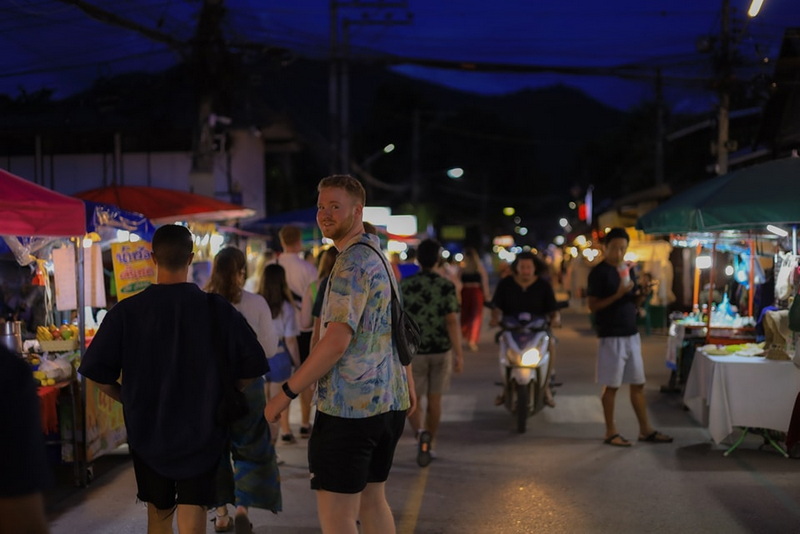
Pai Walking Street provides an urban and social counterpoint to the countryside around Land Split. In the evening, the area is associated with food, browsing, and the everyday atmosphere of a popular Pai gathering place. It gives travelers a chance to shift from natural sightseeing to observing how visitors, local businesses, and residents share a central town environment.
The street is most useful in an itinerary as a change of pace rather than an extension of the geological theme. After a rural visit, travelers can use time in town to reflect on the different sides of Pai: agricultural surroundings, outdoor scenery, and a lively visitor-oriented center. Respectful behavior remains important, particularly when photographing vendors, workers, or members of the public.
How Private Tours Can Shape the Visit
A Private Mae Hong Son Tour From Chiang Mai may appeal to travelers who prefer a flexible sightseeing conversation rather than a fixed group rhythm. In practical terms, a private arrangement can allow the traveler and provider to discuss priorities such as rural scenery, geological places, viewpoints, or time in Pai. The exact scope depends on the operator, the selected route, and the conditions of the day, so travelers should confirm what is actually included before booking.
The role of a tour operator is broader than simply moving visitors between points. Chiang Mai Tour Operators may help interpret regional distances, suggest a logical order for stops, communicate with local hosts, and adjust the pace to suit the traveler. A knowledgeable guide can also explain why a modest attraction matters locally instead of presenting every stop as a grand spectacle. This interpretive role is especially useful at places whose interest depends on context.
Private touring does not automatically mean that every desired sight can be added or that travel will be effortless. Road conditions, weather, personal preferences, and the provider's operating area can affect the plan. A responsible conversation before departure should cover the intended destinations, approximate time expectations, walking comfort, meal preferences if relevant, and any limitations. Travelers should compare information from providers carefully and avoid assuming that one company's arrangement represents all tours.
For independent visitors, a private tour can also function as a planning framework rather than a substitute for curiosity. The traveler still benefits from reading the landscape, asking questions, and allowing quiet moments. The strongest arrangement is one in which the operator handles coordination while the visitor remains engaged with the places and people encountered along the way.
Choosing the Right Way to Visit Land Split
Land Split Pai works best for travelers who appreciate small, distinctive places and the stories that give them meaning. The fissure is the visual focus, but the wider experience comes from rural surroundings, considerate observation, and the contrast with places such as Pam Bok Waterfall and Pai Walking Street. A private tour can simplify coordination and add regional context, while an independent visit may suit travelers who prefer to set their own pace. Whichever approach is chosen, realistic expectations and respect for the local setting will make this unusual stop a more rewarding part of a Mae Hong Son sightseeing day.

No comments:
Post a Comment