Ban La-Up and the Sights in Mae Hong Son Through a Private Tour Lens
A thoughtful village visit shaped by mountain scenery, cultural respect, and the freedom to pause
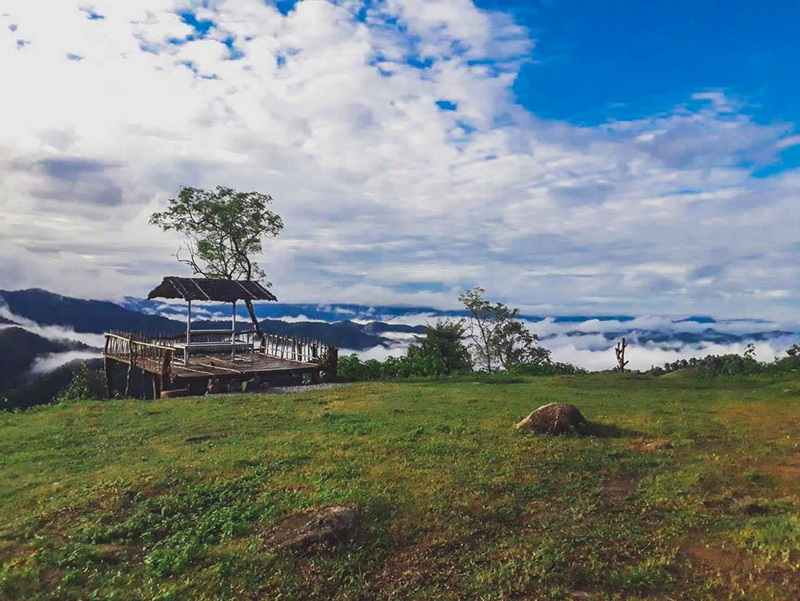
Mae Hong Son is often remembered for winding mountain roads, misty ridges, quiet valleys, and communities whose daily life is closely connected to the landscape. Among the Sights in Mae Hong Son, Ban La-Up offers a gentler kind of discovery. The attraction is not a single monument demanding a quick photograph, but a village setting in Mae La Noi District where the journey, surroundings, and attitude of the visitor all matter. For a first-time international visitor, Ban La-Up is best approached as a place to observe rather than consume. Upland views, homes, cultivated slopes, and local routines create the experience, while respectful behavior helps preserve its dignity. A private tour perspective can be especially useful here because it allows more room for questions, changing weather, careful interpretation, and quiet moments that a rushed schedule may miss. This guide places Ban La-Up within the wider sightseeing character of Mae Hong Son. It also considers how the nearby Kaew Komol Cave and Huai Hom Karen Village can add contrast to a day of regional exploration, without presenting any fixed itinerary, price, or guaranteed service.
A Mountain Setting That Rewards Attention
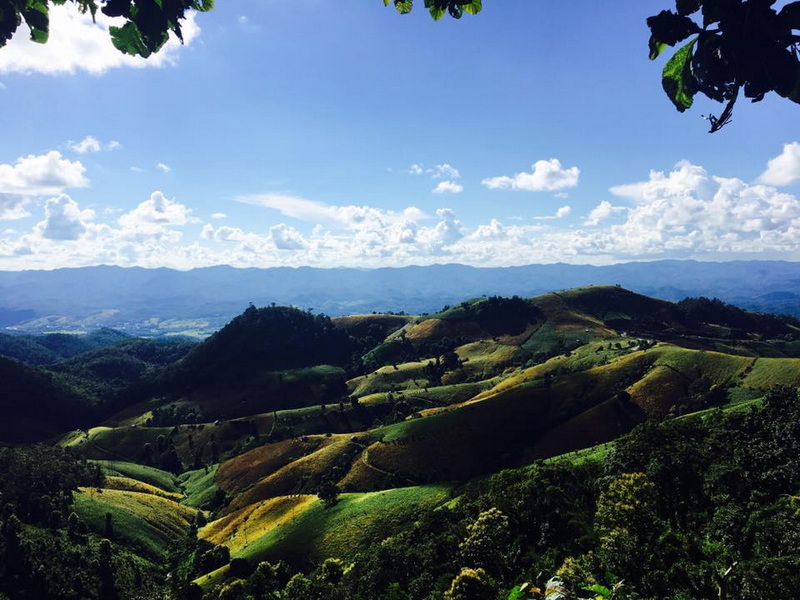
Ban La-Up lies in Mae La Noi District, Mae Hong Son, in a highland environment shaped by slopes, forested horizons, and rural settlement. The approach is part of the visual story: the scenery gradually changes from broader roads and valley views to a more enclosed mountain atmosphere. Visitors may notice the cooler feel of the uplands, changing light across the hills, and the way homes and cultivated areas sit within the terrain rather than apart from it.
The village is also encountered under several spellings, including Baan La-Up and Ban La-Oop. Such variations can appear in travel searches and local references, so checking the destination name and location carefully is sensible when discussing plans with a driver or guide. The important point is the place itself: Ban La-Up Mae Hong Son is a rural community setting, not an urban attraction with a dense collection of formal facilities.
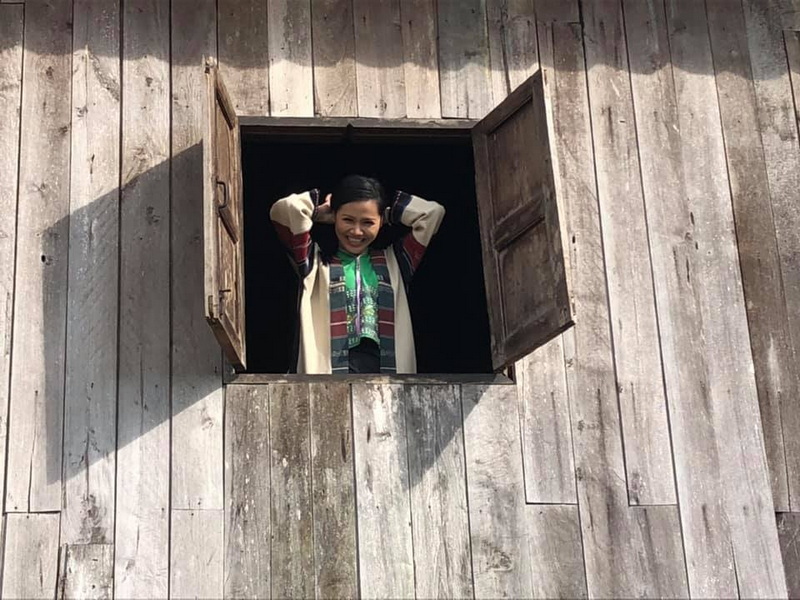
What makes the visit noteworthy is the combination of cultural context and natural sightseeing. The mountain environment is not merely a backdrop. It influences movement, agriculture, views, weather, and the rhythm of daily life. Rather than expecting a long list of attractions inside the village, visitors can focus on the relationship between the settlement and its surroundings. This slower observation often becomes the most memorable part of the experience.
Why a Private Tour Perspective Can Add Depth
A Private Mae Hong Son Tour From Chiang Mai can offer a more adaptable way to think about a distant mountain destination, especially for travelers who want context rather than a hurried stop. Private travel does not automatically make a visit more meaningful, but the format may allow a group to ask questions, spend longer looking at a landscape, or adjust the pace when roads, weather, and personal energy call for flexibility.
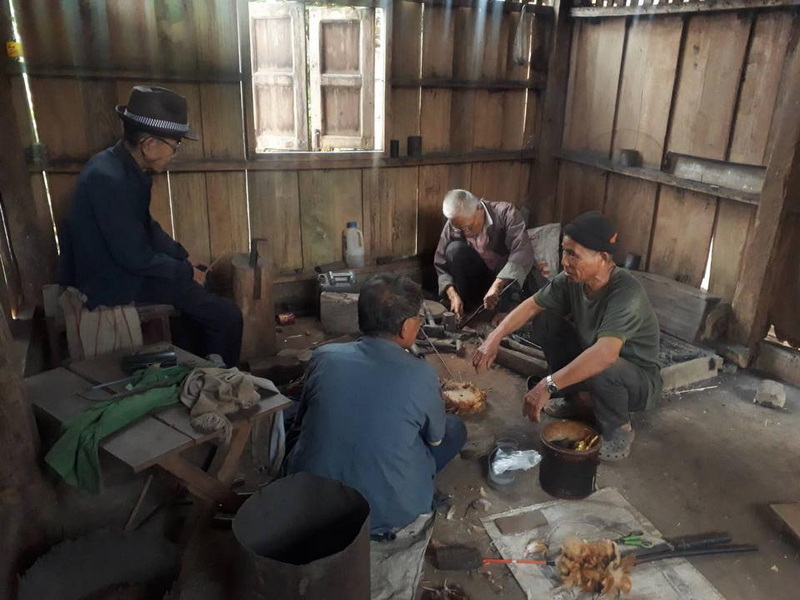
For Ban La-Up, interpretation should be handled with care. A knowledgeable guide may help explain the district’s geography, the practical realities of upland life, and the difference between observing a community and treating it as a staged performance. Visitors should welcome information while remembering that residents are going about their lives. Asking before photographing people, avoiding restricted areas, and keeping voices modest near homes are simple ways to show consideration.
The most valuable private-tour experience is therefore not exclusive access. It is the opportunity for a more attentive conversation with the region. A guide can point out changes in vegetation, explain why a viewpoint matters, or provide language support when visitors are unsure how to greet people politely. Travelers should still confirm the actual arrangements of any service they consider, since inclusions, routes, and operating conditions can differ.
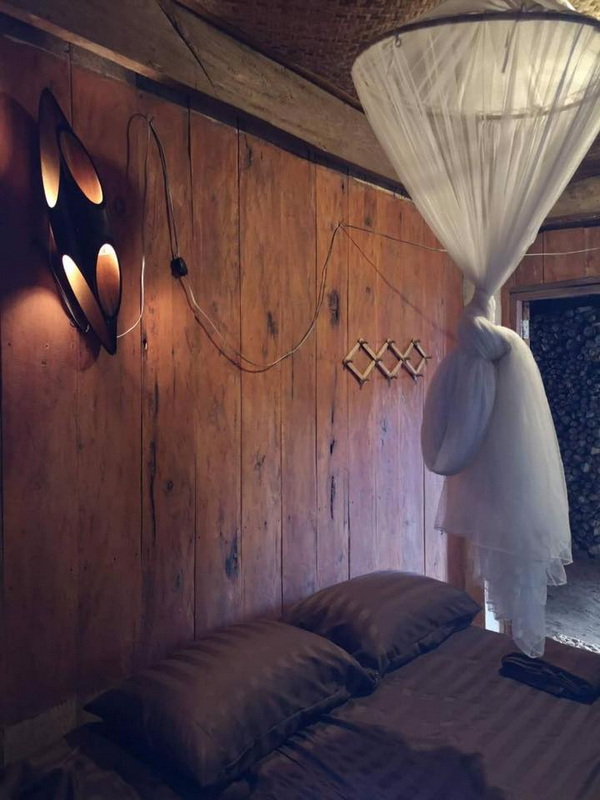
Two Complementary Stops in the Mae La Noi Area
Ban La-Up becomes easier to appreciate when placed beside other sights in the district. The village offers a human-scale mountain perspective, while nearby natural and community destinations can broaden the day’s understanding of Mae Hong Son. The contrast is useful: one stop may encourage quiet observation of settlement and landscape, while another may draw attention to geology or the wider cultural setting.
These places should not be treated as interchangeable attractions. Each has its own character, access considerations, and appropriate visitor behavior. Allowing enough time for transitions and avoiding an overly ambitious schedule can make the overall experience calmer. This is one reason a private travel format may appeal to visitors who prefer to respond to the day rather than follow a rigid sequence.
Beyond Ban La-Up: Cave and Community Perspectives
Once the village setting has been understood on its own terms, two nearby destinations can add useful contrast. They extend the sightseeing experience without reducing Ban La-Up to one item on a checklist.
Kaew Komol Cave
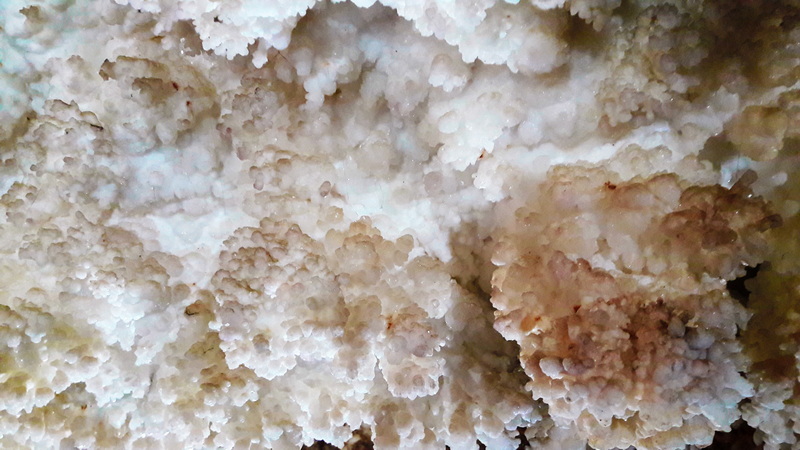
Kaew Komol Cave provides a natural contrast to the open mountain setting around Ban La-Up. Its underground environment shifts attention from ridgelines and village views to rock, darkness, and the slower processes that shape a cave. For sightseeing travelers, the attraction can add variety to a Mae La Noi visit, particularly when the group wants to experience a different expression of the area’s natural character.
Visitors should approach the cave according to current local guidance and avoid assuming that conditions are identical throughout the year. A private-tour conversation can help place the cave within the wider geography, but the experience itself is best kept unhurried. After spending time in a community landscape, an underground stop can make the region feel more varied without losing the connection between natural features and local travel.
Huai Hom Karen Village
Huai Hom Karen Village offers another community perspective for travelers exploring Mae Hong Son. It should be visited with the same care required at Ban La-Up: residents are people with privacy, work, beliefs, and routines, not scenery arranged for visitors. Cultural interest becomes more respectful when it is based on listening, permission, and attention to local guidance rather than assumptions about identity.
Placed alongside Ban La-Up, the village can encourage a broader understanding of upland communities and the environments in which they live. Travelers should avoid turning the two places into a comparison of which is more picturesque or authentic. Each community has its own history and present-day concerns. The value of visiting lies in gaining perspective while leaving room for dignity, consent, and ordinary life.
Visiting With Curiosity and Good Judgment
A visit to Ban Lua-Up calls for practical awareness as much as enthusiasm. Mountain roads can feel very different from city streets, and conditions may change with rain, fog, or road work. Comfortable footwear, sun protection, drinking water, and a light layer are generally useful for countryside sightseeing, but visitors should make their own preparations according to the season and the transport arrangements available to them.
The village environment also rewards restrained photography. Wide landscape images may communicate the setting well, while close portraits require permission. Do not enter yards, homes, places of worship, or work areas unless invited. Buying locally made goods or using community services, where available and appropriate, can be a more constructive way to support residents than expecting an encounter to be provided for entertainment.
Travel language can help set the tone. A quiet greeting, a sincere thank-you, and a willingness to listen often matter more than trying to say a great deal. International visitors do not need to understand every custom immediately; they do need to remain observant and adaptable. Ban La-Up Mae La Noi is most rewarding when travelers accept that the community’s ordinary life has value without demanding that it perform for outsiders.
For travelers comparing Sights in Mae Hong Son, Ban La-Up stands out through atmosphere rather than spectacle. It suits those who enjoy layered experiences: a mountain road, a rural settlement, changing views, and conversations that place the scenery in context. Whether reached independently or considered as part of a privately arranged journey, the visit should remain flexible and respectful.
Let the Mountain Setting Set the Pace
Ban La-Up is a rewarding choice for travelers who value atmosphere, cultural awareness, and the detail found beyond headline attractions. Its mountain setting and community context become clearer when approached patiently, whether through independent planning or a carefully considered private journey. Nearby places such as Kaew Komol Cave and Huai Hom Karen Village can deepen the regional picture, but the central lesson remains simple: look closely, ask respectfully, and allow the landscape to guide the pace. That approach turns a visit to Mae La Noi District into more than a photo stop; it becomes a thoughtful encounter with Mae Hong Son.

No comments:
Post a Comment