Budget-Friendly Chiang Rai Tour Packages and Chiang Rai Walking Street
A practical way to enjoy local food, crafts, culture, and nearby sights without stretching your travel budget
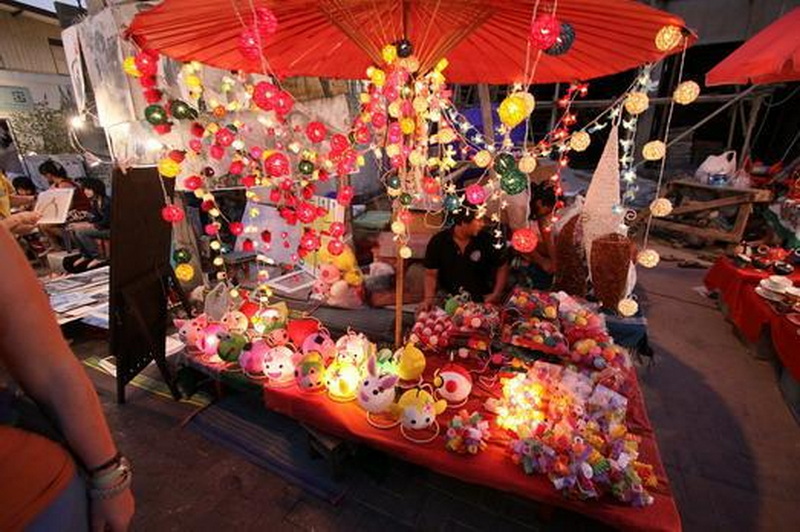
Chiang Rai Walking Street offers a welcoming introduction to the everyday character of Mueang Chiang Rai District, Chiang Rai. Rather than treating the city only as a stopping point for famous temples, budget travelers can use this local marketplace as an affordable way to encounter northern Thai food, handmade goods, music, and community life. The atmosphere is best approached with curiosity and patience, allowing time to browse instead of trying to see everything quickly. For travelers arriving from Chiang Mai, the market can also become the cultural focus of a wider regional visit. The most economical plan is not always the one with the lowest advertised cost; it is the one that matches your interests, limits unnecessary transfers, and leaves room for independent exploration. This guide explains how to compare tour choices, build a sensible day trip, and combine Chiang Rai Walking Street with two nearby places: Lam Nam Kok National Park and King Mangrai Monument. The goal is practical planning rather than a fixed itinerary. Tour availability, inclusions, and travel conditions can change, so travelers should confirm current details before booking. With realistic expectations and respectful behavior, a visit can remain affordable while still supporting local vendors and making space for meaningful experiences.
Why Chiang Rai Walking Street Works for Budget Travel
A walking street market is naturally suited to cost-conscious travel because visitors can choose what to buy and how long to stay. At Chiang Rai Walking Street, browsing itself is part of the experience. Food stalls may offer a chance to sample small portions, while craft tables and local products invite comparison before any purchase. Travelers do not need to build the visit around expensive attractions; they can enjoy the public atmosphere, observe local routines, and spend only on items that genuinely interest them.
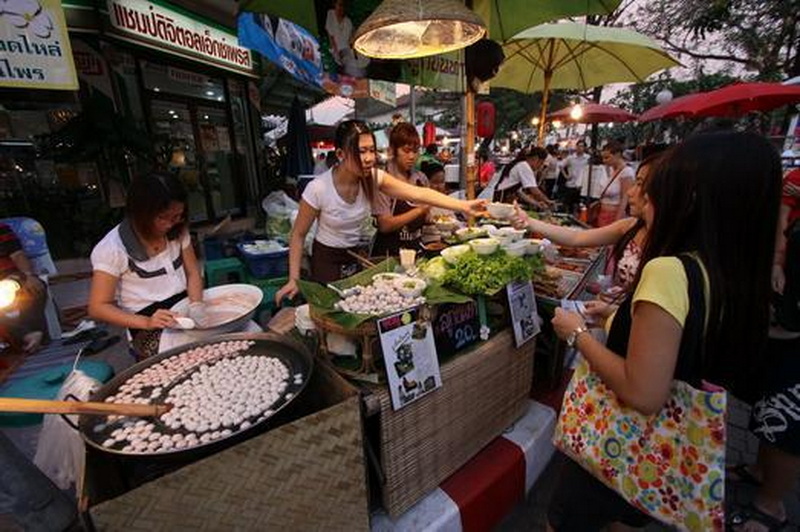
The market also provides a useful cultural setting. Vendors, cooks, artists, and shoppers contribute to an environment that feels connected to the community rather than designed solely for sightseeing. Visitors should ask before photographing people or products, handle merchandise carefully, and avoid bargaining in a way that dismisses the maker's work. Supporting independent sellers, even through a modest purchase, can make a budget visit feel more responsible.
A simple spending plan helps. Set aside separate amounts for food, small gifts, and unexpected choices, then keep some flexibility for a dish or craft that was not part of the original plan. Carrying reusable bags and using a refillable water bottle where practical can reduce small extra expenses. Most importantly, allow enough time to walk slowly. Rushing often leads to impulse purchases or an unnecessary dependence on packaged activities.
How to Compare Affordable Chiang Rai Tour Packages
Travelers searching for Cheap Chiang Rai Tour Packages should compare what is included rather than choosing a trip based only on a low headline price. A useful comparison looks at the transport arrangement, the number of included attractions, meal provisions, guide services, and the amount of free time. These details determine whether a package actually suits your priorities. A low-cost option may be useful for someone who wants an organized introduction, while a more flexible arrangement may be better for a visitor who wants to spend longer at the walking street.
Look for clear descriptions and current confirmation from the provider. The words guided, shared, private, or flexible can mean different things between companies, so ask direct questions before committing. Confirm whether entry fees, meals, and any optional activities are separate. It is also sensible to check how much time is reserved for independent exploration, especially if the market is the main reason for visiting Chiang Rai.
Budget travelers can reduce costs by selecting a package that covers the places they genuinely want to see instead of paying for a long list of stops. A shorter regional program may be more satisfying than an ambitious route with little time at each location. Reading cancellation terms and checking what happens if weather or local conditions affect the plan can prevent unpleasant surprises. The best value is measured by usefulness, comfort, and clarity, not by the smallest number on a sales page.
Planning Chiang Mai Day Trips And Sightseeing
A journey from Chiang Mai to Chiang Rai requires attention to travel time and energy. The two cities are in different provinces, so a day trip involves a substantial regional transfer before the walking and sightseeing begin. Travelers considering Chiang Mai Day Trips And Sightseeing should decide whether a concentrated day is acceptable or whether a slower visit would be more comfortable. There is no single correct choice: the right plan depends on personal stamina, available time, and interest in the market itself.

For a budget-conscious traveler, shared transportation or a group tour can make regional exploration more accessible than arranging every element independently. However, group programs may limit how long you can remain at Chiang Rai Walking Street. A private arrangement may offer greater control but can involve a different level of expense. Comparing the balance between flexibility and cost is more useful than assuming one format is always better.
Before booking, identify the visit's non-negotiables. If your priority is tasting local food and browsing crafts, ask whether the market receives meaningful time rather than appearing as a brief final stop. If you also want nature or heritage, select nearby additions that fit the route instead of adding distant locations. Pack lightly, wear comfortable walking shoes, and keep plans adaptable. Weather, traffic, and changing local conditions can affect any day trip, so avoid relying on a tightly timed sequence.
Independent travelers may also use a tour only for the regional transfer and then explore the market at their own pace, if the arrangement allows it. Others may prefer an organized guide who can offer context about local products and customs. In either case, treat the tour as a framework, not a guarantee of a particular experience. The market is most rewarding when there is room to notice small details and interact politely.
Making a Respectful Visit to Chiangrai Khon Muan Street
The name Chiangrai Khon Muan Street may appear in travel searches alongside Chiang Rai Walking Street, so checking naming conventions can help when comparing information. Regardless of the label used, visitors should approach the marketplace as a living public space. Local food traditions, decorative arts, clothing, and performances are not simply backdrops for photographs. They reflect the work and identity of people who live in the region.
Begin with a relaxed walk and observe how the market is arranged. Notice which stalls are busy with local shoppers, which products are made by hand, and which foods are prepared to order. If you are unsure what something contains, ask courteously rather than guessing. Travelers with dietary restrictions should communicate clearly and accept that a vendor may not be able to meet every request. Sharing tables or narrow walking areas also calls for consideration, particularly when the market is crowded.
Responsible spending does not require buying more than you need. Choose useful souvenirs, ask about care or packing when appropriate, and remember that a low price is not a reason to undervalue a handmade item. Avoid touching fragile merchandise without permission and seek consent before photographing a person, stall, or performance. These small habits help preserve a positive relationship between visitors and the local community.
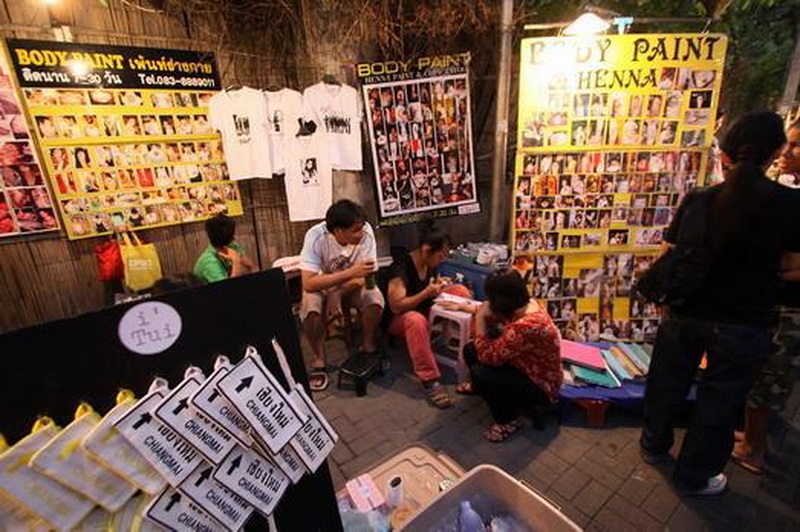
A market visit can be especially valuable for travelers who want cultural contact without a costly attraction list. Food, conversation, and observation create an experience that is accessible but not superficial. Keep expectations open: the appeal may come from an unfamiliar snack, a locally made object, or the simple rhythm of people gathering after the day. That sense of place cannot be reduced to a checklist.
A Flexible Budget Framework for the Region
Instead of planning around exact prices, divide the trip into four spending areas: regional travel, food and drinks, entrance or activity costs, and personal purchases. This framework remains useful even when prices or tour inclusions change. Give priority to the parts that matter most to you, then keep a reserve for changes. Travelers who want a food-focused visit may spend more of their discretionary budget at the market, while those interested in nature may reserve funds for a broader excursion.
Check whether a tour provides enough free time to make independent choices. A package that includes several stops may appear efficient, but additional stops can reduce the time available for eating, browsing, or resting. Conversely, a simple transfer arrangement may require more personal planning but allow better control. Write down the total expected cost, including items that are not part of the advertised package, before making a decision.
Budget travel should also include a comfort allowance. A small reserve can cover water, a light snack, or an unexpected change without creating stress. Avoid carrying more cash than necessary, keep belongings secure in crowded areas, and use common sense when accepting help or purchasing unfamiliar products. These precautions are practical rather than restrictive; they make it easier to enjoy the surroundings.
Finally, measure success by the quality of the day rather than the number of attractions visited. One carefully chosen market and one nearby place may provide a stronger memory than a rushed circuit of many locations. Chiang Rai Walking Street is particularly well suited to this slower approach because its value lies in atmosphere, local interaction, and the freedom to choose your own pace.
Nearby Attractions
Lam Nam Kok National Park
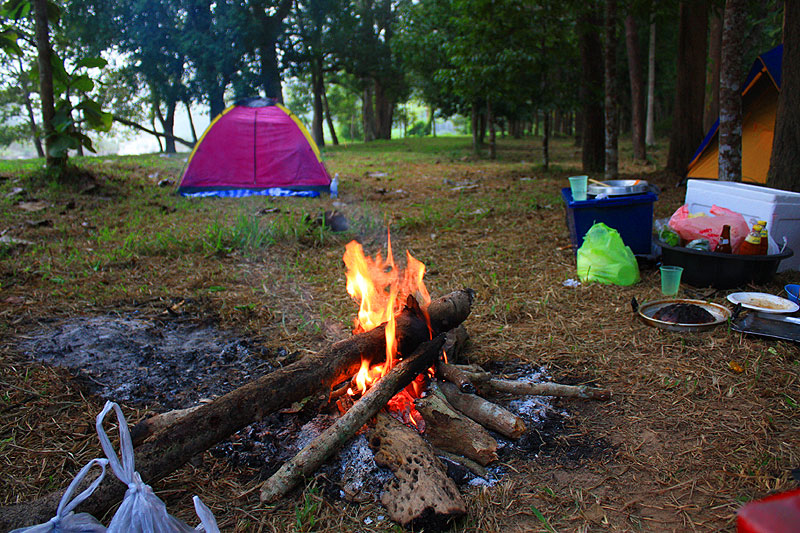
Lam Nam Kok National Park offers a nature-oriented counterpoint to the food and craft atmosphere of the market. The park is associated with the Kok River landscape and provides a way to think about Chiang Rai beyond its urban center. A visit may appeal to travelers who want open space, forest scenery, or a quieter setting after time among market crowds.
When adding the park to a low-cost day plan, confirm current access conditions and allow flexibility for weather and travel time. Nature visits require respectful behavior: remain on appropriate paths, carry waste out when facilities are limited, and avoid disturbing plants, animals, or local communities. The park works best as a carefully considered regional addition rather than an assumption that every tour will include it.
King Mangrai Monument

King Mangrai Monument provides historical context for a visit to Chiang Rai. The monument honors King Mangrai, the ruler traditionally associated with the founding of Chiang Rai and the establishment of the Lanna kingdom. It offers travelers a concise way to connect the modern city with the region's northern Thai heritage.
A stop here can complement Chiang Rai Khon Muan Street by adding a heritage perspective to a market-centered visit. Visitors should behave respectfully in the monument area, observe local customs, and avoid treating a commemorative site as merely a photo stop. Because it is a focused historical landmark, it can fit naturally into a broader city exploration without requiring an expensive activity.
Planning Your Visit
An affordable visit to Chiang Rai does not have to feel limited. By comparing tour inclusions, protecting time for independent exploration, and choosing only the nearby places that match your interests, you can keep the plan practical and flexible. Chiang Rai Walking Street offers the strongest value when approached as a community marketplace rather than a quick shopping stop. Pair it thoughtfully with Lam Nam Kok National Park or King Mangrai Monument, respect local vendors and heritage, and leave room for unplanned discoveries. That balance can turn a cost-conscious day trip from Chiang Mai into a fuller understanding of the region.

No comments:
Post a Comment