Queen Cham Dhavi Monument — Camadevi Statue and Visit Lamphun Thailand with a Chiang Mai Travel Package
A thoughtful cultural visit linking Queen Camadevi’s legacy with Lamphun’s historic landscape
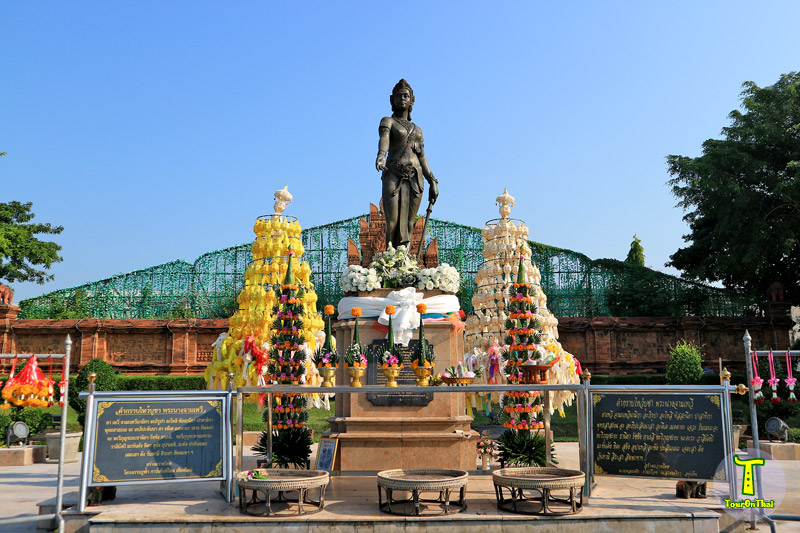
The Queen Cham Dhavi Monument is a meaningful place to begin understanding Lamphun’s historical identity. Often referred to through related names such as the Camadevi Monument, Phra Nang Chamthewi Statue, or Queen Camadevi Statue, it honors the ruler traditionally associated with the founding and early development of Hariphunchai, the ancient kingdom centered in this region. For visitors, the monument is not simply a point for photographs. It offers a moment to consider how memory, local history, and civic respect are expressed in a public space. The Camadevi Statue is especially useful as a cultural starting point because it connects the modern town with stories preserved through religious traditions, local scholarship, and northern Thai historical awareness. The exact details of early Hariphunchai history may be presented differently in different sources, so a respectful visit is best approached with curiosity rather than with assumptions. From the monument, travelers can continue toward important religious sites and observe how Lamphun’s heritage remains part of everyday community life. For travelers based in Chiang Mai, a Chiang Mai Travel Package may provide a convenient regional context for reaching Lamphun, although the cultural value of the visit does not depend on a particular tour arrangement. The emphasis is on allowing enough attention for the monument, its surroundings, and nearby sites that help explain why Lamphun holds an important place in northern Thailand.
Reading the Camadevi Statue as a Place of Memory
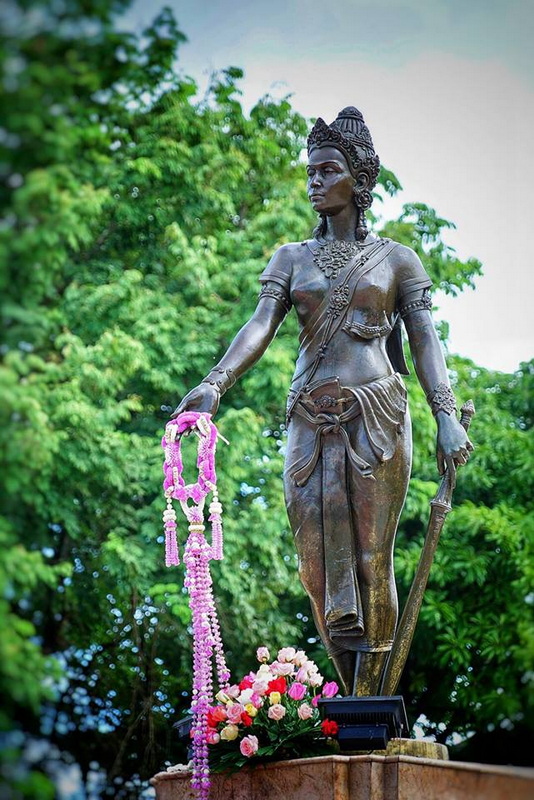
The Camadevi Statue presents Queen Camadevi in a formal, dignified manner appropriate to a figure remembered as a foundational ruler. Visitors may notice the ceremonial character of the monument, its elevated presentation, and the way the statue invites people to pause rather than move quickly through the site. The visual details are less important than the meaning attached to them: the monument gives physical form to a historical and cultural memory that continues to matter in Lamphun.
Queen Camadevi is widely associated with Hariphunchai, a Mon-speaking kingdom that developed in the Lamphun area. Accounts of her life combine historical interpretation, local tradition, and religious storytelling. Rather than treating every traditional detail as a verified fact, travelers can recognize the broader significance of the story. It reflects the importance of leadership, community formation, Buddhism, and the continuity of regional identity.
The monument is also a reminder that public statues can serve several roles at once. It can be a heritage marker, a place where residents show respect, and a reference point for visitors learning about Lamphun. During a visit, observing how local people approach the space can be as informative as examining the statue itself. Quiet behavior, modest clothing, and sensitivity around offerings or acts of reverence are appropriate.
A Cultural Pause Before Exploring Lamphun
To Visit Lamphun Thailand is to encounter a destination with a calmer historical atmosphere than many travelers expect from a northern Thai urban area. The town’s identity is closely connected with Hariphunchai heritage, Buddhist temples, old settlement patterns, and local craft traditions. The Queen Cham Dhavi Monument helps organize these impressions by giving visitors a recognizable figure through whom the region’s past can be considered.
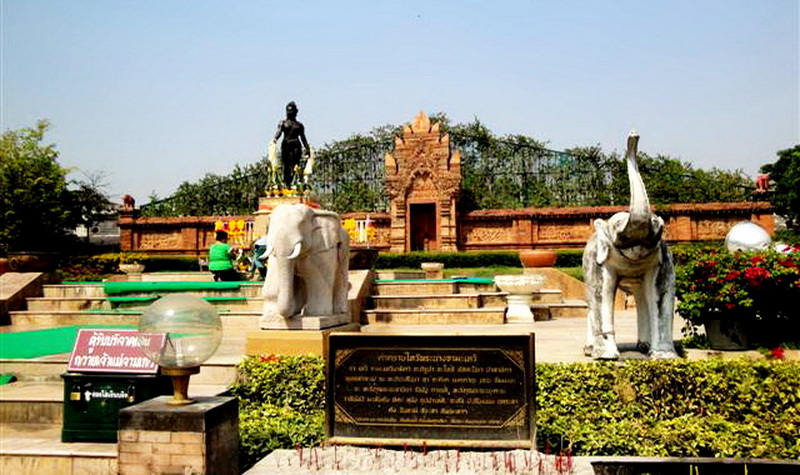
A visit is best approached without trying to turn the monument into an isolated attraction. Allow time to notice the setting, the surrounding streets, and the relationship between the statue and the wider town. Lamphun is compact in character, yet its heritage cannot be understood from a single viewpoint. The monument provides an introduction, while temples and other historic places add architectural and spiritual context.
Travelers should also remember that this is a living cultural environment rather than a museum display. People may come to pay respect, make offerings, or take part in ordinary local routines. Photography should be considerate, especially when worshippers are present. Avoid interrupting ceremonies, keep voices low, and follow any posted guidance. These simple actions support a more responsible form of cultural tourism and help preserve the dignity of the site.
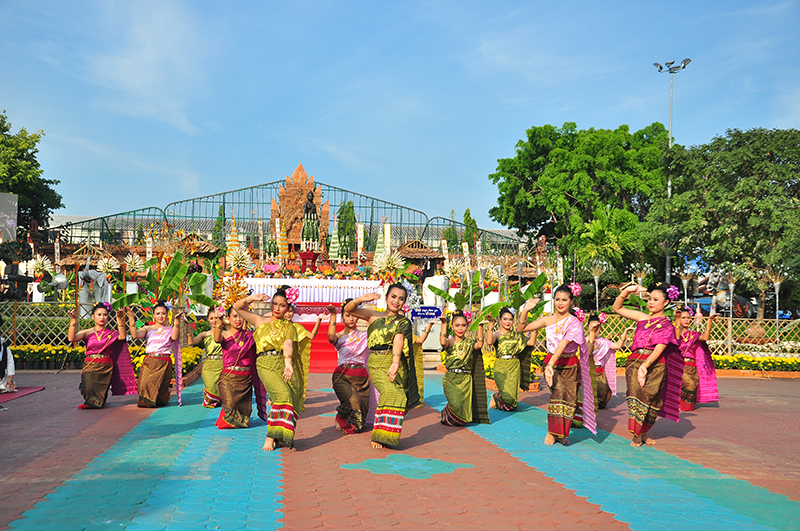
For someone comparing regional travel options, a Chiang Mai Travel Package can make Lamphun part of a broader northern Thailand experience. The phrase should not suggest that the town is merely an add-on. Lamphun has its own historical character, and even a short visit can be more rewarding when travelers approach it as a destination with independent cultural importance.
What the Monument Adds to a Regional Journey
The value of the Camadevi Monument lies partly in the questions it encourages. Who shaped the early community? How have stories of a ruler been preserved? Why do certain figures remain central to local identity centuries later? These questions make the visit more engaging than a quick stop based only on visual appeal. They invite travelers to connect the monument with the history of settlement, religion, and political organization in the region.
The name Cham Dhavi, along with forms such as Chamthewi and Camadevi, reflects the varied spellings and transliterations found when Thai and regional names are represented in English. Visitors may encounter more than one version while reading travel material or local information. These variations generally point toward the same celebrated historical figure, but careful travelers should avoid assuming that spelling differences indicate entirely separate people or monuments.
The surrounding area can also encourage a slower style of travel. Instead of concentrating only on collecting destination names, visitors can compare architectural details, observe how temple compounds are maintained, and listen to local explanations when available. A guide, museum resource, or reputable historical source can help place the monument within the broader story of Lamphun without reducing complex traditions to a single simplified narrative.
This perspective is particularly useful for culture-focused travelers. The monument may not require a long visit in itself, but its role in the regional story gives it lasting importance. It functions as a threshold between present-day Lamphun and the layered memories that have shaped how the province understands its origins.
Planning a Respectful Visit to Lamphun
A practical visit begins with realistic expectations. The Queen Camadevi Statue is a cultural landmark, not an entertainment venue, and the experience depends more on attention than on a long list of facilities. Visitors can prepare by learning a little about Queen Camadevi and Hariphunchai before arriving, then allowing the monument’s setting to add visual and emotional context to that background.
Comfortable clothing suitable for a respectful public and religious environment is advisable, particularly if the visit continues to nearby temples. Walking carefully, keeping the area clean, and refraining from touching statues or offerings are basic forms of courtesy. If local worshippers are present, give them space and avoid positioning a camera in a way that makes a private act of devotion feel like a performance.
Lamphun can be considered as a separate cultural excursion from Chiang Mai or as part of a wider northern journey. A Chiang Mai Travel Package may be helpful for travelers who prefer a planned regional connection, while independent visitors may choose to organize their own transport and timing. In either case, the most useful planning question is not how many places can be covered, but how much time can be given to understanding each one.
The monument is also suitable for travelers with different interests. History learners may focus on the Hariphunchai connection, architecture enthusiasts may compare the public monument with nearby temple forms, and first-time visitors may simply use it as an accessible introduction to Lamphun. Each approach is valid as long as the site is treated with respect and the historical tradition is not reduced to a decorative backdrop.
Nearby Attractions
Kruba Sri Wichai Monument
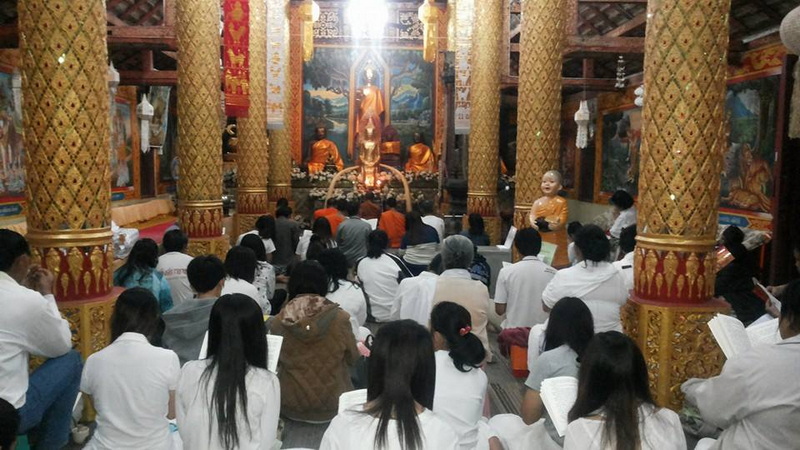
The Kruba Sri Wichai Monument adds another layer to a Lamphun visit by honoring one of northern Thailand’s most respected Buddhist monks. Kruba Sri Wichai is remembered for religious leadership and for his association with temple improvement and pilgrimage traditions in the north. The monument therefore shifts the focus from an early royal figure to a modern religious personality whose influence remains important in regional memory.
Seen alongside the Camadevi Statue, it shows how Lamphun’s public heritage includes different kinds of leadership. One site recalls the origins of a historic kingdom, while the other reflects devotion, religious service, and the continuing respect given to influential monks. Visitors should approach both places quietly and avoid treating either monument as merely a photographic stop.
Wat Chamadevi
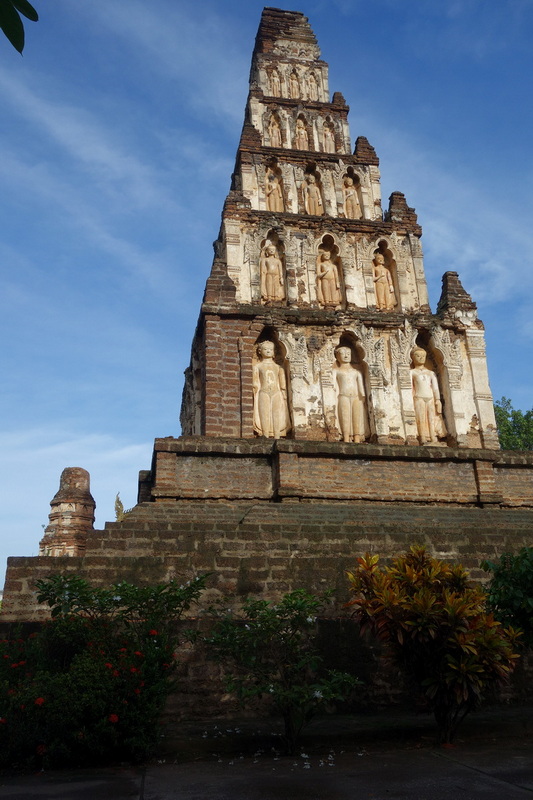
Wat Chamadevi is a particularly valuable companion to the monument because it connects the story of Queen Camadevi with an important religious and architectural setting in Lamphun. The temple is associated with the city’s Hariphunchai heritage and is known for its distinctive ancient stupa forms. Its brickwork and layered design provide a different way to encounter the past: instead of a modern commemorative statue, visitors see historic religious architecture that has continued to shape the identity of the area.
A visit to Wat Chamadevi benefits from patience and observation. Look at the relationship between the structures, the courtyard, and the devotional life of the temple rather than rushing through for a single image. As at the Queen Cham Dhavi Monument, modest dress and quiet conduct are appropriate. Together, the two sites help travelers understand that Lamphun’s history is preserved through both public remembrance and living religious spaces.
Planning Your Visit
The Camadevi Statue offers more than a brief landmark visit. It introduces Queen Camadevi, the remembered foundations of Hariphunchai, and the continuing importance of Lamphun’s cultural identity. Combined with the Kruba Sri Wichai Monument and Wat Chamadevi, it creates a thoughtful path through different periods of northern Thai heritage. Whether reached independently or within a Chiang Mai Travel Package, the experience is strongest when approached patiently and respectfully. To Visit Lamphun Thailand is to give attention to the stories, religious places, and community memories that continue to make the town distinctive.

No comments:
Post a Comment