Kho Ku So Bamboo Bridge for a Thoughtful Private Journey
Plan a flexible Pai visit with local knowledge, respectful travel choices, and a private route from Chiang Mai
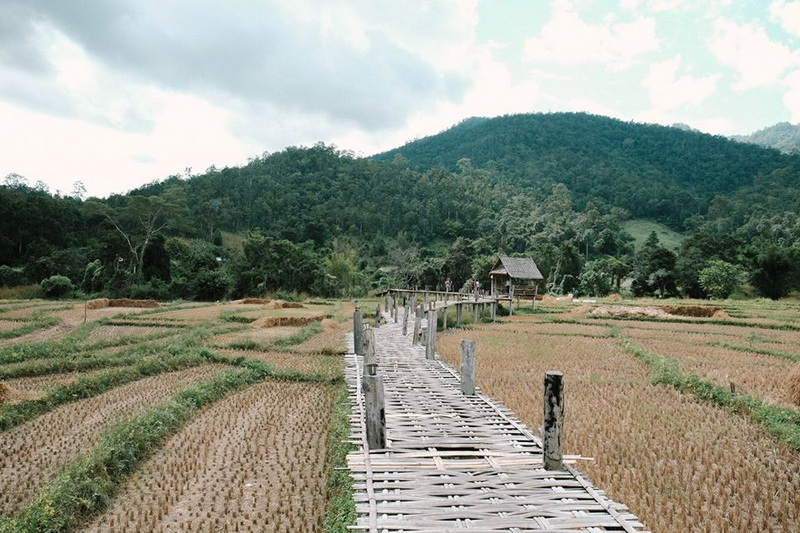
Kho Ku So Bamboo Bridge is a quiet countryside attraction in Pai District, Mae Hong Son, where a narrow bamboo walkway leads visitors through a rural landscape shaped by fields, hills, and local community life. Often described as the Pai Bamboo Bridge, it is best approached as a place for unhurried observation rather than a quick landmark stop. The setting invites travelers to notice changing light, seasonal agriculture, and the practical relationship between paths, farmland, and nearby homes. For independent travelers arriving from Chiang Mai, the main planning question is not simply how to reach the bridge. It is how to build a journey that allows enough flexibility for road conditions, pauses, photography, and respectful interaction with the communities along the way. A private Mae Hong Son itinerary can be useful because it allows the route to be discussed in advance and adjusted around personal interests without turning the visit into a rushed checklist. This guide focuses on the role of local operators, the decisions worth making before booking, and two nearby stops that can add contrast to a bridge visit. The aim is practical confidence: knowing what to ask, what to observe, and how to support a destination without treating local places as scenery arranged solely for visitors.
Reading the Landscape Around the Bridge
The appeal of Kho Ku So Bamboo Bridge lies in its setting as much as in its construction. A bamboo walkway gives visitors a low, close-to-the-ground view of the countryside, with open agricultural areas and surrounding vegetation creating a slower visual rhythm than the busy streets of Pai. The bridge is a place to walk carefully, pause at suitable viewpoints, and let the landscape provide the focus.
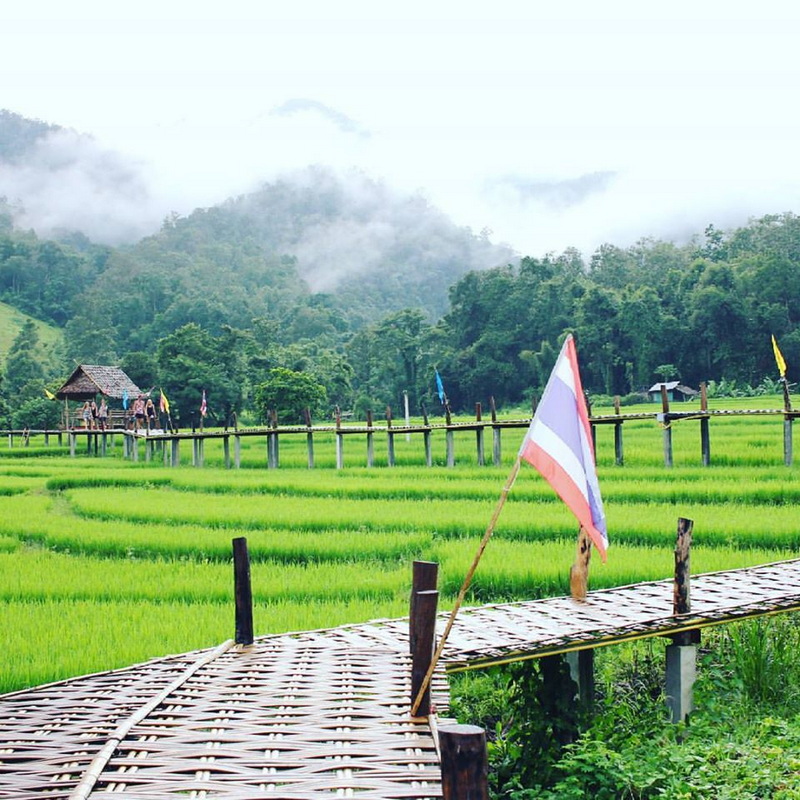
Conditions can change with weather and season. Bamboo surfaces may feel different after rain, and farming activity can alter the appearance of fields. Travelers should wear footwear with a secure grip, avoid stepping beyond designated areas, and follow any local signs or instructions. A considerate visit also means keeping voices low near homes and working areas, carrying rubbish away, and asking before photographing residents, workers, or private property.
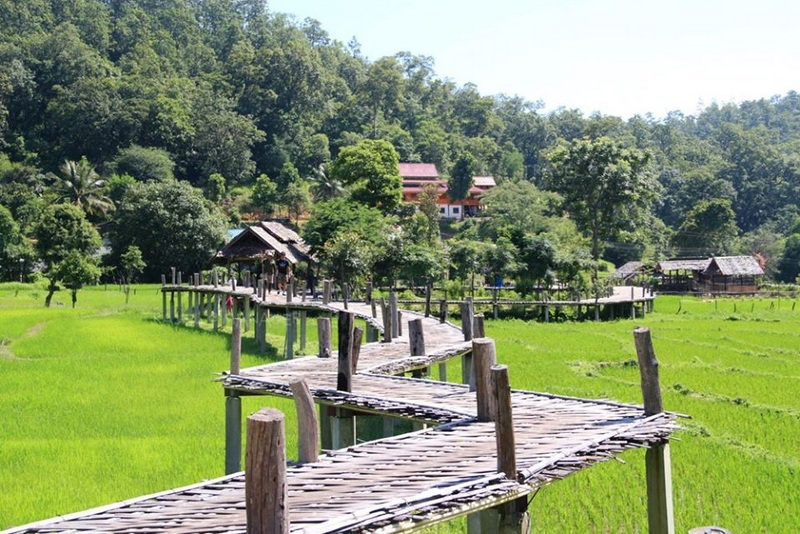
The name appears in several forms, including Kho Ku So Bridge and Kho Kuu So Bamboo Bridge. These variations can be useful when discussing the destination with an operator or checking route information, but the visitor experience remains the same: a community-linked outdoor site that deserves patience and care. Allowing time for the walk, rather than measuring its value by the number of photographs taken, usually produces a more meaningful visit.
What a Private Route From Chiang Mai Can Offer
A Private Mae Hong Son Tour From Chiang Mai may suit travelers who want a journey shaped around their pace instead of a fixed group rhythm. This type of arrangement can be discussed as a custom route through the mountain roads toward Pai and other parts of Mae Hong Son, with Kho Ku So Bamboo Bridge included according to the traveler’s interests and the practical conditions on the day. The important point is flexibility, not a promise that every requested stop will always be possible.
Before booking, explain what matters most. Some travelers may want time for quiet walks and landscape photography, while others may prefer a broader cultural or nature-focused route. Families may need more frequent rest opportunities; older travelers may need an honest conversation about walking surfaces; photographers may wish to avoid the middle of the busiest period. Sharing these priorities helps an operator judge whether the proposed route is realistic rather than simply agreeing to an ambitious list.
The road journey itself should be treated as part of the planning. Mountain travel can take longer than map distances suggest, and weather, traffic, roadworks, or seasonal conditions may affect the day. Ask how much driving is involved, where breaks can be made, what type of vehicle is suitable, and how changes will be handled. If the itinerary crosses rural areas, confirm that the route respects local access and does not rely on entering private land.
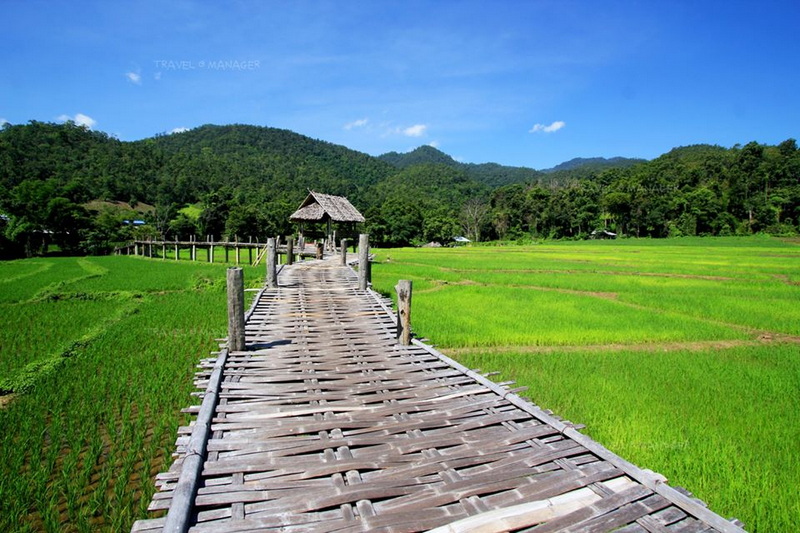
Private travel does not remove the need for independence. A traveler should still check what is clearly included, whether entrance or local access fees are separate, who will be driving, and whether the proposed timing leaves genuine time at the bridge. Clear communication reduces misunderstandings and helps ensure that the experience is comfortable for both visitors and the people providing the service.
From Rural Quiet to Pai’s Evening Rhythm
Once the bridge has provided a slower view of Pai District, two nearby experiences can add useful contrast. One remains rooted in rural land and local hospitality, while the other reveals the town’s busier evening economy.
Land Split Pai
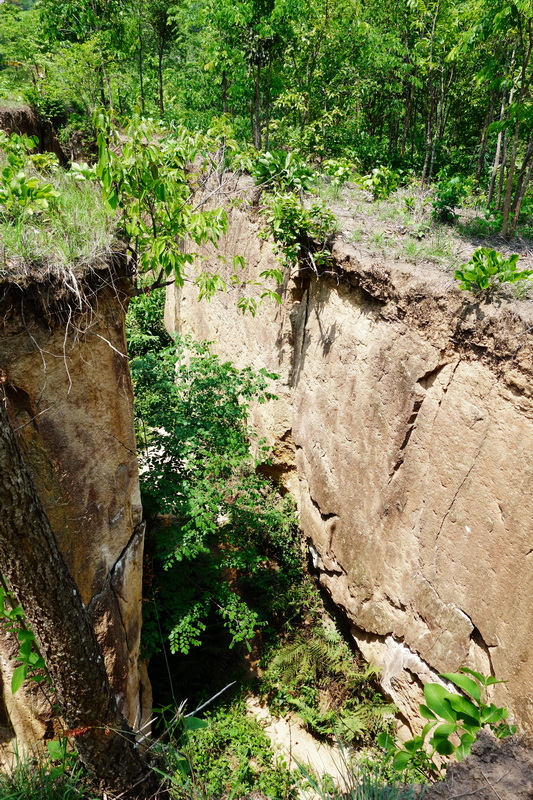
Land Split Pai offers a contrasting stop after the gentle movement of the bridge. The attraction is associated with farmland affected by a natural fissure, and its story is closely connected with the people managing the land and welcoming visitors. Because it is a working rural setting rather than a conventional monument, travelers should follow the host’s guidance, respect boundaries, and understand that conditions may change.
A visit can add useful context to a private route: the bridge reflects movement across the landscape, while Land Split Pai encourages attention to changes in the land and the choices local residents make in response. Travelers should avoid treating the site as a spectacle of hardship. If refreshments or farm products are offered, purchasing appropriately and expressing thanks can be a more respectful form of participation than expecting an elaborate visitor experience.
Pai Walking Street
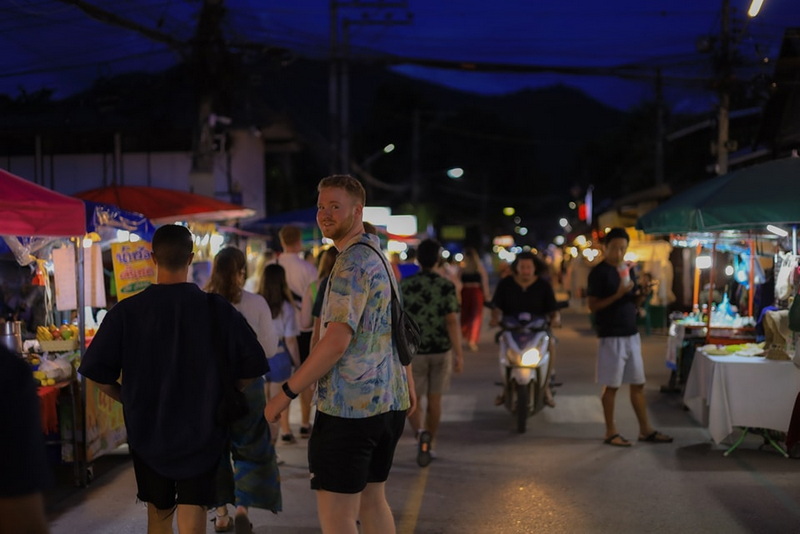
Pai Walking Street provides an urban and social counterpoint to the rural atmosphere around the bridge. In the evening, the area is known for food stalls, small shops, and a lively pedestrian setting. It can be useful for travelers who want to observe how Pai’s visitor economy operates after spending time in the countryside, though the atmosphere is more crowded and commercial than at Kho Ku So Bamboo Bridge.
A private itinerary should leave enough energy and time for this change of pace instead of treating it as an automatic final stop. Visitors can support small vendors by buying what they genuinely want, keeping personal belongings secure, and remembering that residents also use the area. Eating locally, reducing disposable waste, and avoiding intrusive photography are simple ways to enjoy the street while respecting the people who make it part of Pai’s everyday life.
Two Different Ways to Extend the Visit
Kho Ku So Bamboo Bridge works well as a calm countryside stop, but the wider Pai area offers experiences with a different pace and character. Placing those contrasts in the same itinerary can help travelers understand the region beyond a single scenic viewpoint. A private driver or local guide can advise on sequencing without assuming that every stop needs the same amount of time.
Working With Chiang Mai Tour Operators
Chiang Mai Tour Operators can play several roles in a personalized journey. They may help coordinate a private vehicle, communicate with local contacts, suggest a sensible route, and explain how long a stop is likely to take. Their value is strongest when they provide clear local context and realistic logistics rather than presenting the destination through exaggerated claims.
When comparing operators, look for practical transparency. A useful conversation should cover the preferred travel dates, approximate route, vehicle suitability, driver or guide arrangements, walking expectations, meal and rest preferences, and the process for handling weather-related changes. Ask whether the person planning the journey understands Pai District and Mae Hong Son, and whether the itinerary is built around travel time rather than only a list of attractions.
It is also reasonable to ask how an operator approaches community-linked sites. At Kho Ku So Bamboo Bridge, responsible arrangements should avoid disrupting farming, blocking narrow paths, or encouraging visitors to treat residents as part of a performance. An operator who explains local etiquette, supports legitimate access arrangements, and leaves room for the destination to operate on its own terms is offering more useful service than one who focuses only on quick photographs.
A private journey can support local livelihoods in several connected ways: transport providers, guides, food businesses, and site caretakers may all benefit when visitors travel thoughtfully. That support should not be confused with entitlement. Payment for a service does not grant permission to enter restricted areas, photograph anyone without consent, or demand special treatment. The most sustainable arrangement is one in which convenience for the traveler and respect for the community remain balanced.
Making the Journey Personal Without Losing Perspective
A visit to Kho Ku So Bamboo Bridge becomes more rewarding when the route is planned around attention rather than speed. Private travel from Chiang Mai can provide useful flexibility, especially when expectations, driving time, walking needs, and weather contingencies are discussed honestly. Local operators can make that process easier, but travelers should still choose arrangements that respect community access and local livelihoods. With careful preparation, the bridge, Land Split Pai, and Pai Walking Street can form a varied sequence: countryside, working land, and town life, experienced with curiosity and consideration.

No comments:
Post a Comment