Kaew Komol Cave Through a Scenic Private Tour Perspective
A thoughtful journey through Mae Hong Son scenery, limestone formations, and nearby community landscapes
A journey to Kaew Komol Cave is less about ticking off a single attraction and more about watching the landscape change on the way there. From Chiang Mai, the route into Mae Hong Son Province gradually gives way to folded mountains, forested slopes, and small communities separated by long stretches of road. The cave becomes one carefully placed chapter in a wider sightseeing experience. For independent travelers, the appeal lies in choosing how much attention to give each part of the journey. Some visitors may be most interested in the cave’s mineral formations; others may prefer the changing mountain views, a relaxed stop in a village area, or the chance to travel at a pace that allows observation rather than rushing between landmarks. A private tour can be useful in this sense, not because every traveler needs the same itinerary, but because personal priorities can shape the day. This guide considers the visit from that experience-led perspective. It explains what the cave environment may feel like, how to think about a private journey from Chiang Mai, and why nearby places such as Ban La-Up and Huai Hom Karen Village can add cultural and scenic context. The emphasis is on expectations, respectful travel, and the small details that make a mountain sightseeing day memorable.
Arriving at a Cave Shaped by the Mountains
Kaew Komol Cave is located in Mae La Noi District, Mae Hong Son, an area known for rugged mountain scenery and a quieter rural atmosphere than Thailand’s major urban destinations. The approach is part of the experience. As the road rises and bends through the province, views may open across ridges and valleys before disappearing again behind trees or slopes. The changing light and distance give the journey a strong sense of movement, even when the vehicle is traveling slowly.
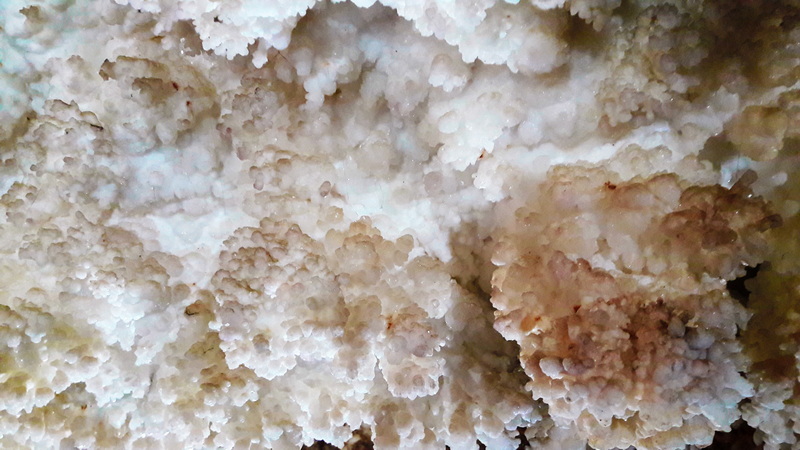
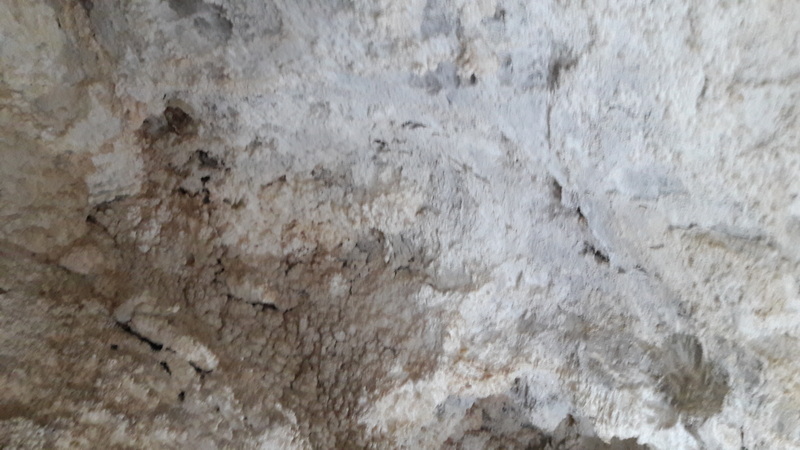
Inside the cave, the mood changes immediately. Daylight becomes limited, sound feels more contained, and attention turns toward the surfaces of the rock. The attraction is associated with delicate mineral formations created through geological processes over long periods. Rather than expecting a large cavern filled with dramatic open spaces, visitors may find the interest in details: pale textures, crystalline surfaces, layered deposits, and shapes that become clearer as the eye adjusts.
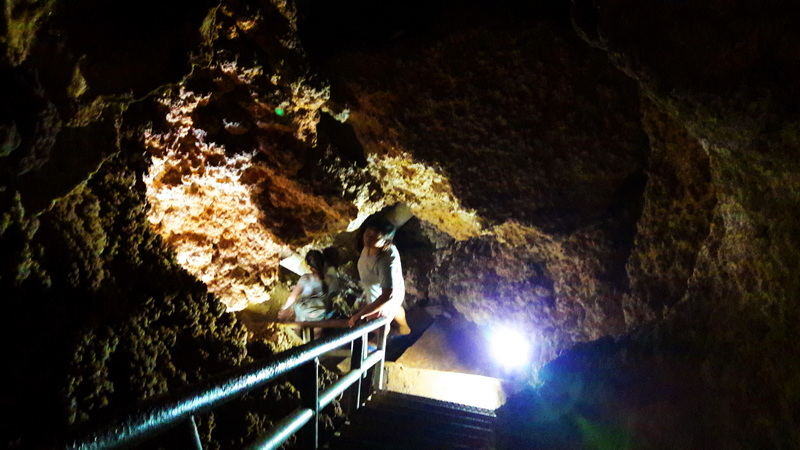
The cave’s natural features reward patience. A rushed glance can make the interior seem dark and uniform, while a slower visit encourages visitors to notice differences in color, pattern, and texture. Moisture, mineral content, and the movement of water through limestone all influence cave formation, although the visible result is best understood as a natural record rather than a decorative display. Photography may be tempting, but observation should remain the priority, especially where lighting, pathways, or conservation rules limit what visitors can do.
A visit to Tham Kaeo Komon also offers a useful reminder that scenic travel is not only about wide views. Mountain landscapes can be experienced in two scales: from a distant ridge where the eye takes in valleys and forests, and from a cave wall where geological change is visible in a much smaller space. Moving between those perspectives gives the outing its distinctive rhythm.
Choosing a Flexible Sightseeing Rhythm from Chiang Mai
Travelers considering a Private Mae Hong Son Tour From Chiang Mai may value flexibility more than a fixed list of stops. The distance and mountain roads make the journey feel substantial, so comfort with the pace matters. Some people enjoy a long road day with scenic pauses; others prefer fewer interruptions and more time at the main attraction. Discussing these preferences before traveling can help shape a realistic plan without assuming that every private arrangement offers the same services or schedule.
A private format can make it easier to respond to the day as it unfolds. If mountain views are especially clear, a traveler may want time for photographs or a quiet pause. If the cave visit feels physically demanding, a less crowded or less hurried rhythm may be welcome. Culture-focused visitors might want to learn about the region’s communities through respectful observation, while nature lovers may pay closer attention to forest edges, limestone terrain, and seasonal changes along the route.
This flexibility should not be confused with guaranteed access or unlimited time. Cave conditions, local guidance, weather, road conditions, and operating arrangements can affect a visit, so current information should be checked before departure. Sensible planning also means wearing practical footwear, bringing water, and allowing enough time for transitions rather than treating the drive as a minor transfer between attractions.
For solo travelers or couples, a private journey may create a more conversational and reflective atmosphere. Families or multigenerational groups may appreciate the ability to adjust pauses to different energy levels. Independent travelers can also use the journey to connect several interests without turning the day into a race. The best approach is to decide what kind of experience matters most—geology, scenery, cultural context, or simply a calm passage through the mountains—and let that priority guide the itinerary.
Beyond the Cave: Community Landscapes Along the Route
The underground experience becomes more meaningful when placed beside the communities and mountain environments around Mae La Noi. These nearby stops offer a different scale of sightseeing, shifting attention from mineral surfaces to everyday life and the landscapes people share.
Ban La-Up
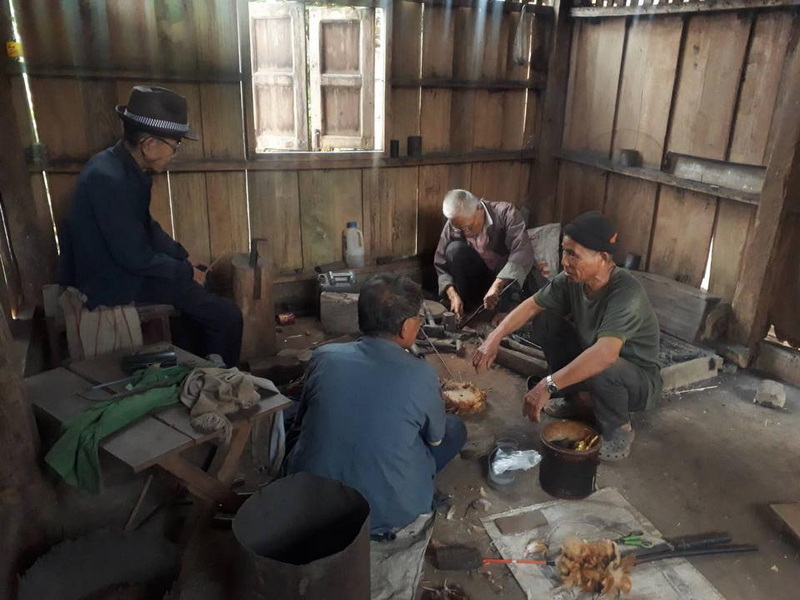
Ban La-Up can complement the cave visit by bringing the journey back into a lived mountain setting. The area is associated with local community life and highland landscapes, so visitors should approach it as a place where people live and work rather than as a stage arranged for sightseeing. A quiet walk, careful observation of the surrounding scenery, and respectful interaction are more appropriate than treating homes or daily activities as photo props.
For travelers interested in the broader Sights in Mae Hong Son, Ban La-Up provides a useful contrast with the cave. Kaew Komol Cave focuses attention underground, where slow geological processes shape mineral surfaces; the village setting places attention on people, cultivated land, roads, and the practical relationship between communities and their environment. That contrast can make the overall route feel more complete without requiring a crowded schedule.
Huai Hom Karen Village
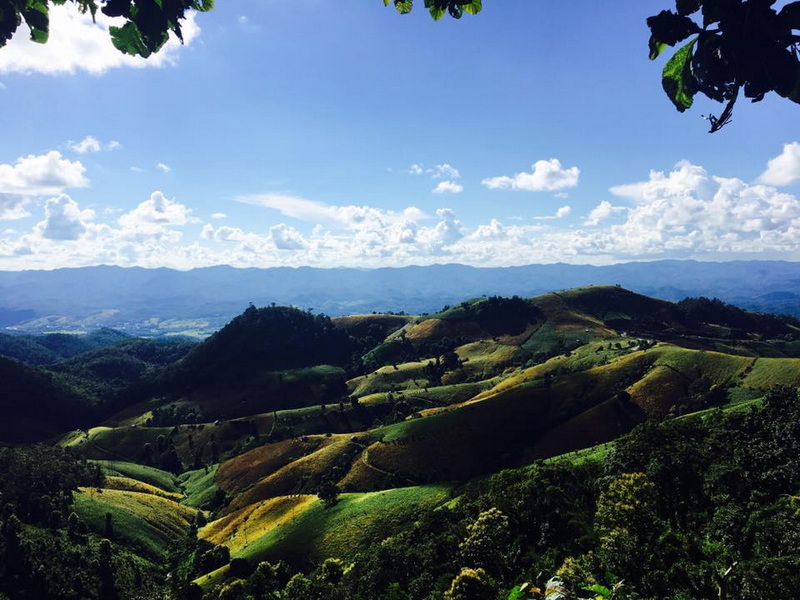
Huai Hom Karen Village offers another opportunity to encounter the cultural landscape of Mae Hong Son with care. Visitors should avoid presenting the community as an exotic backdrop and instead recognize that the village is a home with its own history, routines, and local priorities. If a visit includes contact with residents, listening, asking permission before taking photographs, and following local guidance are important forms of courtesy.
The village also broadens the meaning of a scenic journey. Mountain scenery is not separate from community life: roads, fields, forest resources, and settlement patterns all exist within the same landscape. For a traveler who has just explored the cave’s natural formations, this setting encourages a different kind of attention—one directed toward how people inhabit and care for a mountainous environment. Time spent here should be unhurried and respectful rather than organized around collecting quick impressions.
Practical Expectations for a Thoughtful Visit
Visitors planning a Kaew Komol Cave Travel Guide experience should think about the day as a sequence of changing environments rather than a single arrival and departure. The road journey, the cave interior, and the surrounding communities each call for a different pace. Checking current local information before setting out can clarify access conditions and help travelers avoid building expectations around details that may change.
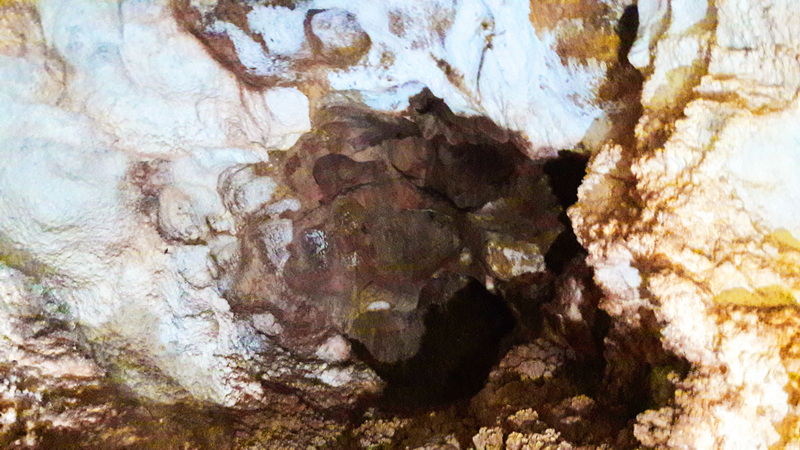
The cave may suit people who enjoy quiet observation more than dramatic entertainment. Uneven ground, dim conditions, and the need to follow marked routes can make practical preparation worthwhile. Comfortable shoes, water, and patience are more useful than a tightly packed list of activities. Those hoping to Visit Kaew Komol Cave should also be prepared to follow local instructions about lighting, photography, and conservation, since the formations are fragile and the environment is naturally sensitive.
The wider route can appeal to different travel styles. A photographer may focus on changing mountain light, a geology enthusiast may study the cave’s textures, and another visitor may value the contrast between natural formations and community landscapes. Keeping those interests in mind makes it easier to enjoy the journey without expecting every stop to offer the same kind of attraction.
Let the Landscape Set the Pace
Kaew Komol Cave suits travelers who enjoy looking closely, whether at crystalline rock, a distant ridge, or the details of a mountain community. A private journey from Chiang Mai can make room for different interests, but the experience remains strongest when planned with realistic timing and cultural respect. Pairing the cave with Ban La-Up and Huai Hom Karen Village adds depth without taking attention away from the main geological attraction. Come prepared for a scenic road journey, a subdued cave interior, and a day best experienced through curiosity rather than haste.

No comments:
Post a Comment