Chiang Mai Tourist Attractions and Tours Featuring The Rubber Tree Road
A thoughtful introduction to a tree-lined heritage route and the cultural sights that make a wider Chiang Mai visit rewarding
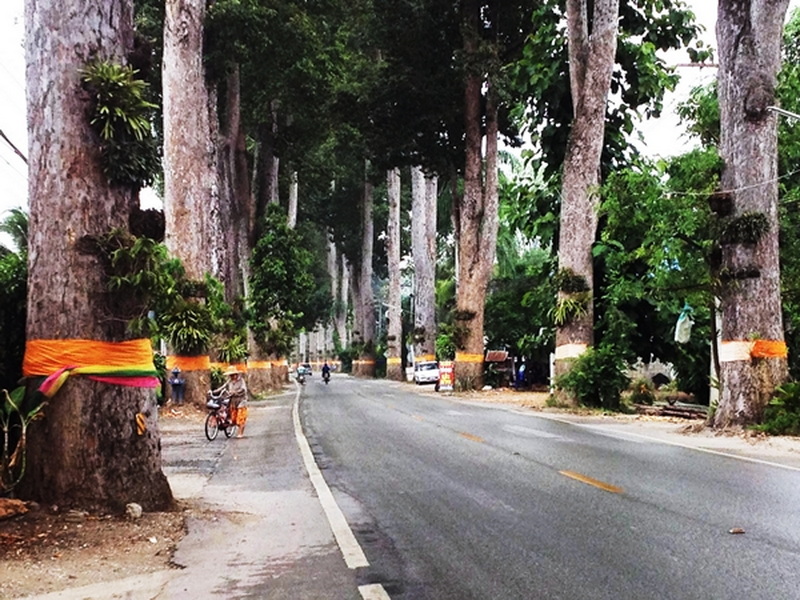
The Rubber Tree Road is a quiet, scenic attraction along the historic connection between Chiang Mai and Lamphun. Mature rubber trees line sections of the route, creating a distinctive landscape that feels different from the busy streets and landmark-filled centre of Chiang Mai. Rather than being a conventional enclosed attraction, it is best understood as a living roadside landscape to observe respectfully while travelling through Saraphi District and onward toward Lamphun. For first-time visitors, the road offers a useful change of pace. It can add local character to a broader sightseeing plan, especially for travellers interested in how roads, trees, towns, temples, and everyday communities fit together. This overview places the route within the wider group of Chiang Mai Tourist Attractions and considers the kinds of Chiangmai Tour experiences that can relate to it without presenting an invented fixed itinerary. The most rewarding approach is to combine the road with nearby cultural or creative stops, leave room for observation, and remember that this is also a lived-in area rather than a themed attraction. The journey matters as much as the photograph: shade, tree trunks, changing views, and the gradual transition between provinces all contribute to its appeal.
Understanding The Rubber Tree Road
The Rubber Tree Road is commonly associated with the old route between Chiang Mai and Lamphun, passing through Saraphi District before continuing toward Lamphun. It is also described as the Old Rubber Tree Road or Saraphi Old Rubber Tree Road. These names point to the same general experience: a road corridor recognised for its rows of established rubber trees and its connection with the wider northern landscape.
The attraction is visual and atmospheric rather than built around a single monument. Travellers may notice tall, evenly spaced trees, filtered light, changing roadside activity, and the contrast between cultivated greenery and settled communities. The appearance can vary with weather, season, maintenance, and the particular stretch being visited, so it is wiser to appreciate the route as a broad landscape than to expect an identical scene at every point.
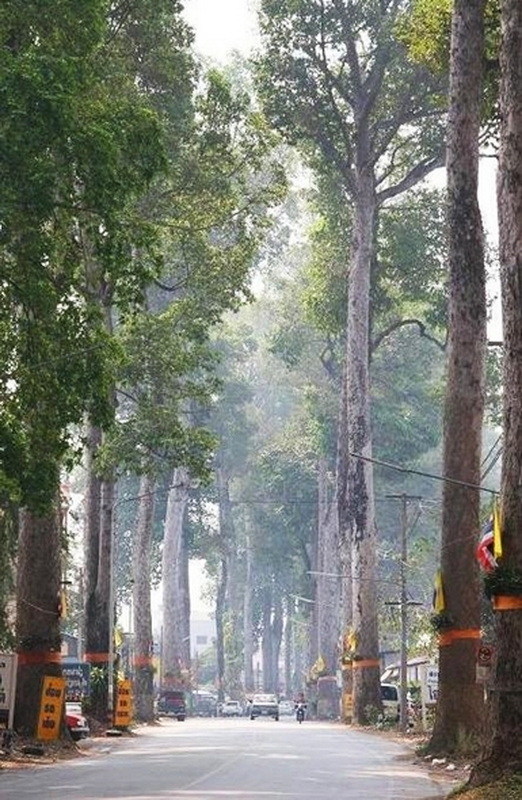
Its appeal also comes from scale. Chiang Mai is well known for temples, museums, markets, and entertainment, but a road such as this introduces a slower perspective on the region. It encourages visitors to look beyond headline landmarks and notice the relationship between transport routes, agricultural landscapes, and provincial history. A respectful visit does not require a long stop or dramatic activity; careful observation can be enough.
Because the road remains part of an active local environment, visitors should avoid stopping where they obstruct traffic, entering private land, or treating residents and workers as photographic subjects without permission. The safest and most considerate experience is usually one that follows local traffic conditions and uses clearly appropriate public viewpoints. The route is valuable precisely because it is not separated from ordinary life.
How Tours Can Include the Road
A tour connected with The Rubber Tree Road is more likely to treat it as one landscape element within a broader Chiang Mai and Lamphun outing than as a standalone attraction. Depending on the organiser and the interests of the group, the route may be viewed during a heritage-focused excursion, a countryside sightseeing journey, or a private day of mixed cultural stops. Visitors should check the current itinerary directly rather than assume that every tour includes the same road section.
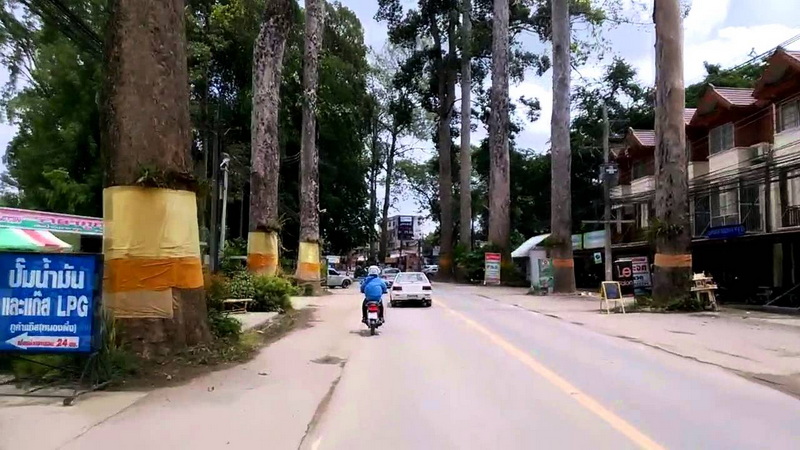
For a first-time international visitor, a guided journey can provide useful context. A knowledgeable guide may explain how the Chiang Mai–Lamphun corridor relates to settlement, agriculture, and movement between the two areas, while also helping guests understand where a brief observation stop is appropriate. The value of a guide is often interpretation and local awareness, not simply transportation from one photo point to another.
Independent visitors can also include the road in a self-directed plan, provided they research the route and conditions in advance. Since this is a public road environment rather than a formal attraction with a guaranteed visitor timetable, plans should remain flexible. A map, a translation aid, and realistic expectations are more useful than a tightly packed schedule. Allowing time for unplanned views can make the journey feel less rushed.
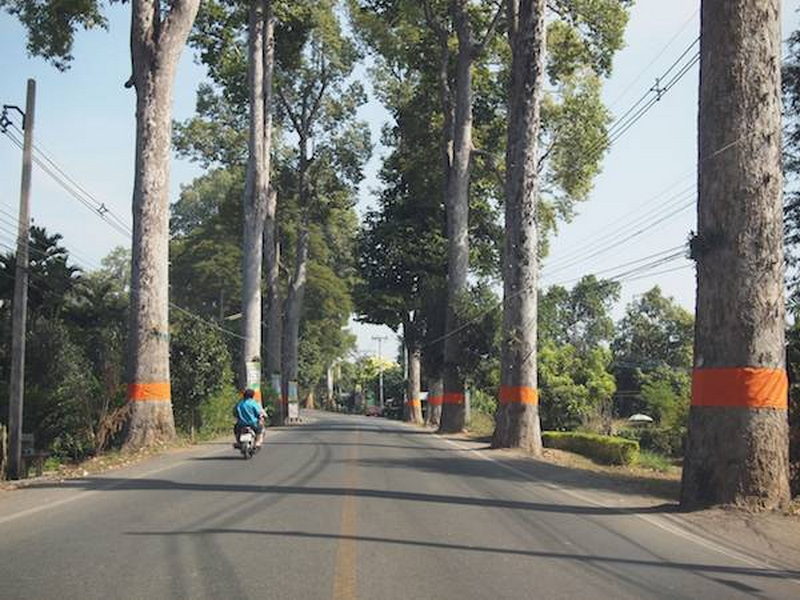
When comparing Chiang Mai tours, look for descriptions that clearly explain the places visited, the amount of time spent travelling, and whether the focus is heritage, scenery, temples, or general sightseeing. A Chiangmai Tour that mentions the old Chiang Mai–Lamphun corridor may suit travellers who want regional context, while a more city-centred tour may not spend meaningful time along the road. Asking precise questions before booking helps prevent disappointment.
The route can also complement a wider day of sightseeing without becoming the entire purpose of the outing. Visitors might pair the tree-lined drive with one or two cultural sites, then return with a better understanding of how northern Thailand’s urban and rural settings connect. The strongest tour experience is usually balanced: enough structure to provide context, with enough space to notice the landscape for oneself.
Two Complementary Stops Beyond the Trees
The road is most useful as part of a wider regional story, where landscape and built heritage balance one another. These two nearby choices offer very different ways to continue the day: one creative and interactive, the other reflective and historical.
Art in Paradise Chiang Mai
Art in Paradise Chiang Mai provides a clear contrast with the open roadside landscape. It is an interactive three-dimensional art museum where visitors engage with illusion-based artworks through photographs and playful visual interpretation. Its indoor, participatory character makes it appealing to travellers who want an activity-led experience after spending time observing the trees and communities along the route.
Placed beside The Rubber Tree Road in a broader sightseeing plan, the museum can show how varied Chiang Mai Tourist Attractions are. One experience centres on an everyday regional landscape, while the other invites active participation with imaginative scenes. Visitors should confirm current opening information independently, since operating arrangements can change, and should allow enough time to enjoy the displays rather than treating the stop as a rushed checklist item.
Wat Phra Yuen
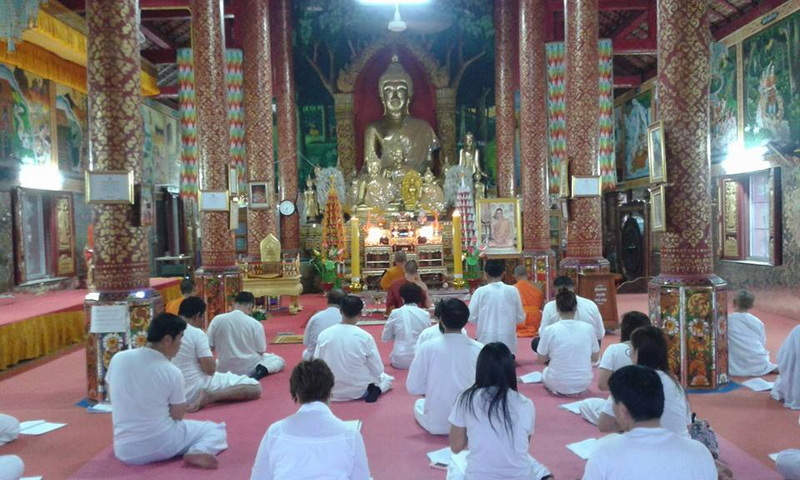
Wat Phra Yuen, in Lamphun, offers a more contemplative complement to the road. The temple is associated with the historic and religious character of the area, and its grounds provide an opportunity to approach northern Thai Buddhist heritage with attention and respect. Architectural details, religious images, and the atmosphere of worship are best appreciated quietly rather than reduced to a quick photo stop.
Visitors should dress appropriately, follow signs or local guidance, and remember that a temple remains a living religious place. Remove shoes where required, keep voices low, and ask before photographing people or ceremonies. Including Wat Phra Yuen after travelling along the Rubber Tree Road Chiang Mai-Lamphun can broaden the day from scenery to heritage, helping travellers see Lamphun as more than a point on a route.
What the Road Reveals About Place
A visit becomes more meaningful when the trees are not viewed only as a backdrop. The road invites questions about how landscapes are planted, maintained, used, and remembered. Rubber trees are associated with agricultural production, yet along this corridor they also shape the visual identity of the journey. Their trunks and canopies create a rhythm that travellers recognise as they move between the Chiang Mai and Lamphun areas.
This perspective adds cultural depth without requiring visitors to make broad assumptions about local communities. The road is not a staged performance of rural life, and it should not be described as untouched or frozen in the past. Shops, homes, traffic, farms, and changing development can exist alongside older trees. That mixture is part of the present-day character of the route.
For photographers, the repeating lines of trunks and shifting shade may be attractive, particularly in gentle morning or late-afternoon light. Photography should remain secondary to safety and courtesy. Avoid standing in traffic lanes, climbing trees, handling agricultural equipment, or entering areas that appear private. When people are present, ask before taking close portraits, and accept a refusal without argument.
The road is also a useful reminder that regional sightseeing does not have to consist only of famous monuments. A tree-lined corridor can help visitors understand distance, geography, and the transition from one urban area to another. In this sense, Rubber Tree Road Chiang Mai-Lamphun is a connecting experience: it links scenery with history and makes the journey itself part of the attraction.
Let the Journey Set the Pace
The Rubber Tree Road rewards travellers who are willing to notice rather than rush. Its value lies in the tree-lined scenery, the connection between Chiang Mai and Lamphun, and the chance to place better-known attractions within a broader local landscape. Whether included in a guided excursion or a carefully planned independent day, it works best with flexible expectations and respectful behaviour. Combine it with a suitable cultural or creative stop, remain attentive to road safety, and allow the changing views to shape the experience. That calm, location-first approach can turn a simple drive into a memorable part of exploring northern Thailand.
