Discovering Traditional Villages and Markets at Baan Tawai Wood Carving Village
Experience authentic Thai village culture, vibrant local markets, and nearby natural wonders in Hang Dong District, Chiang Mai
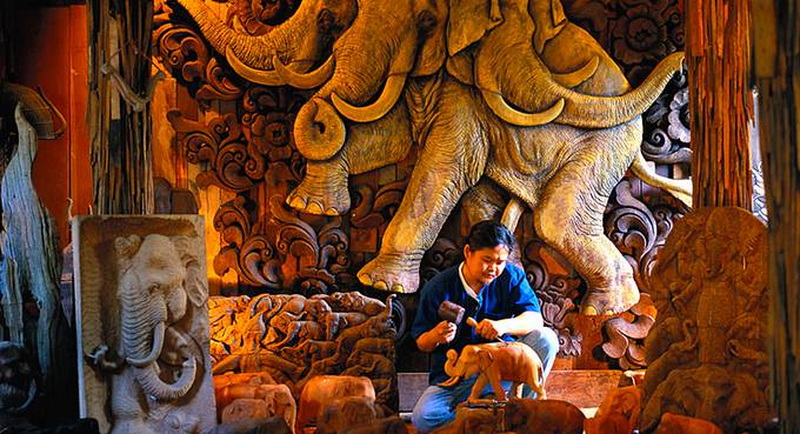
Nestled in the scenic Hang Dong District of Chiang Mai, Baan Tawai Wood Carving Village offers travelers a unique glimpse into Thailand’s rich tradition of woodcraft and village life. Known as a cultural hub for artisans, this village is a living museum of intricate carvings, centuries-old techniques, and vibrant local customs. Visitors can immerse themselves in the authentic atmosphere of a traditional Thai village, where craftsmanship is not just an art but a way of life. Beyond the village itself, Chiang Mai’s local markets provide a bustling scene to explore regional products, fresh produce, and hand-made souvenirs. These markets are essential stops for anyone wanting to understand the everyday life of northern Thailand and to shop for meaningful keepsakes. The combination of Baan Tawai’s cultural heritage and the lively market scenes nearby creates a well-rounded experience for travelers seeking genuine local encounters. For nature lovers and explorers, the proximity of Ob Luang National Park and the Grand Canyon Chiang Mai adds an exciting outdoor dimension to the visit. These natural attractions balance the cultural immersion with opportunities to connect with northern Thailand’s stunning landscapes. Together, the traditional villages, markets, and surrounding nature form a compelling itinerary that highlights the diversity of experiences available around Baan Tawai Wood Carving Village.
Authentic Traditions at Baan Tawai Wood Carving Village
Baan Tawai Wood Carving Village is widely recognized as the heart of traditional woodcraft in northern Thailand. The village’s artisans specialize in elaborate wood carvings that range from religious statues and furniture to decorative household items. Many families have passed down their carving skills through generations, preserving techniques that reflect both Lanna heritage and Buddhist influences. Travelers researching Traditional Villages In Chiang Mai can use these details when planning the trip. Travelers researching Chiang Mai Wood Carving Village can use these details when planning the trip. Travelers researching Chiang Mai Local Markets Guide can use these details when planning the trip.
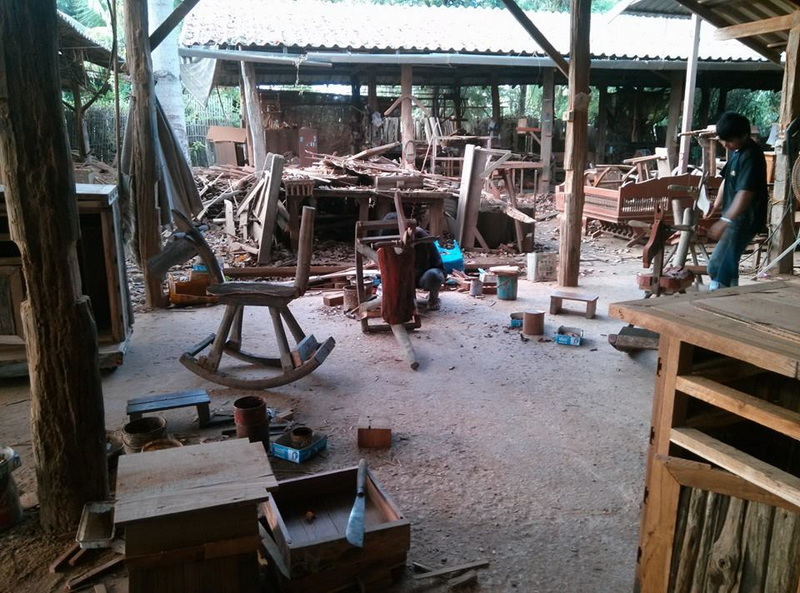
Walking through the village, visitors witness artisans at work in open studios, where the scent of freshly carved teakwood fills the air. These craftspeople use hand tools and natural materials, ensuring that each piece carries a unique touch of authenticity. The village itself is an immersive cultural environment, with traditional wooden houses, community shrines, and small workshops lining the streets.
The atmosphere emphasizes respect for the craft and the community’s way of life, inviting visitors to learn about the deep connection between artistry and local identity. Visitors often appreciate the chance to engage directly with artists, gaining insights into the symbolism behind the carvings and the labor-intensive process involved. This hands-on cultural exchange is a defining feature of the Baan Tawai experience, providing more than just a shopping destination—it’s a living tradition.
Exploring Chiang Mai Local Markets for Authentic Finds
Chiang Mai’s local markets complement the village experience by offering a vibrant glimpse into the daily lives and tastes of northern Thailand’s communities. Markets such as Warorot Market and smaller neighborhood bazaars present a kaleidoscope of goods, from fresh herbs and spices to textiles, ceramics, and street food.
For visitors to Baan Tawai Wood Carving Village, these markets are ideal for supplementing their cultural journey with sensory exploration and souvenir shopping. Here, one can find locally produced honey, traditional herbal remedies, handwoven fabrics, and other artisanal crafts that reflect the region’s diverse heritage.
Navigating these markets provides an opportunity to practice respectful bargaining and to engage with vendors who often share stories about the origins of their products. This interaction enriches the shopping experience, transforming it into a cultural dialogue. The markets also serve as lively social spaces where locals gather, making them perfect spots to observe everyday northern Thai life beyond the tourist trail.
Pairing Village Culture with Nearby Natural Attractions
The natural surroundings near Baan Tawai Wood Carving Village add an adventurous layer to any visit. Just a short drive away lies Ob Luang National Park, a protected area known for its dramatic limestone canyons, ancient archaeological sites, and lush forests. Hiking trails here offer peaceful encounters with nature and the chance to see traditional hill tribe villages nestled in the mountains.
Another must-see nearby is the Grand Canyon Chiang Mai, a striking landscape formed by an old quarry now transformed into a stunning turquoise water reservoir. Visitors often enjoy swimming, cliff jumping, or simply relaxing by the water’s edge, making it a refreshing break after exploring the village and markets.
Combining cultural visits with these outdoor experiences creates a balanced itinerary that appeals to both the mind and body. It also encourages a deeper appreciation of northern Thailand’s interconnectedness between human heritage and natural environment. Travelers can plan day trips or half-day excursions to these sites, allowing time to absorb the artistry of Baan Tawai alongside the region’s scenic beauty.
Engaging Ethically and Respectfully with Local Culture
When visiting Baan Tawai Wood Carving Village and its surrounding markets, it is important to approach the experience with cultural sensitivity and respect. The artisans and local vendors depend on tourism for their livelihoods, so supporting them through fair purchases helps sustain their crafts and traditions.
Visitors should avoid behaviors that exoticize or commodify the community’s way of life. Taking photos should be done with permission, especially when capturing people or sacred objects. Listening attentively to the stories shared by locals and showing genuine interest in their work fosters meaningful connections.
Respecting local customs, such as dressing modestly and using polite greetings, contributes to a positive atmosphere for all. By engaging ethically, travelers not only enrich their own visit but also contribute to preserving the authenticity and dignity of this traditional village culture.
Nearby Attractions
Ob Luang National Park
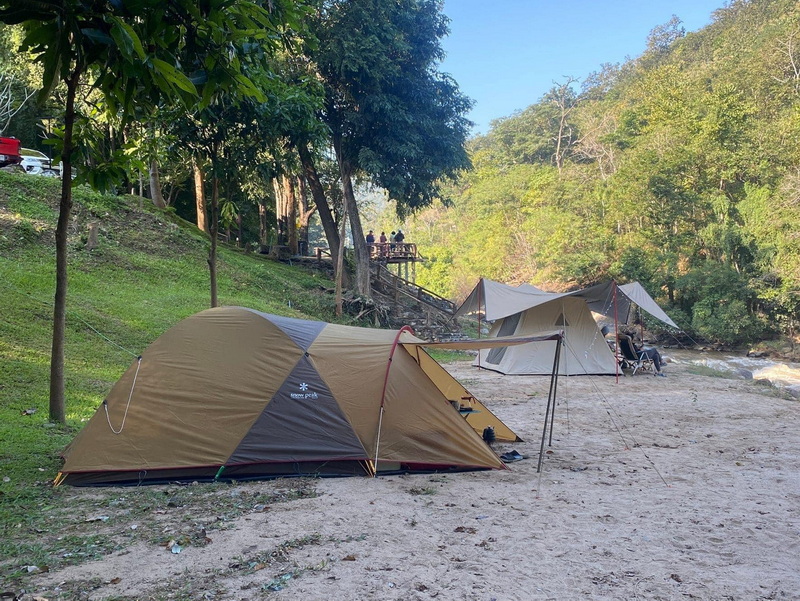
Ob Luang National Park is a natural sanctuary located near Hang Dong District, offering visitors a chance to explore limestone canyons carved by the Mae Chaem River over millennia. The park’s rugged cliffs, caves with prehistoric paintings, and dense forests create a diverse ecosystem rich in flora and fauna.
Hiking trails of varying difficulty wind through the park, leading to viewpoints that showcase dramatic landscapes. The park also holds cultural significance, with archaeological sites revealing ancient human settlements and artifacts.
For travelers visiting Baan Tawai, Ob Luang National Park provides a tranquil escape into nature, where the harmony between environment and history is tangible. It is an ideal destination for those who appreciate scenic walks, birdwatching, and quiet reflection amid northern Thailand’s natural beauty.
Grand Canyon Chiang Mai

The Grand Canyon Chiang Mai is a striking natural attraction formed from an abandoned quarry that has filled with crystal-clear water, creating a popular swimming and cliff-diving spot. Surrounded by red cliffs and lush greenery, it offers a refreshing contrast to the cultural richness of nearby villages.
Visitors can enjoy various activities such as swimming in the cool water, relaxing on the sandy banks, or taking photos of the dramatic scenery. The site has developed facilities for visitors, including cafes and seating areas, making it a comfortable place to spend a few hours.
Located close to Baan Tawai Wood Carving Village, the Grand Canyon Chiang Mai complements a cultural excursion with an energetic outdoor experience. It’s especially appealing for travelers looking to combine artisan heritage with active leisure in the fresh air.
Planning Your Visit
Visiting Baan Tawai Wood Carving Village offers a rare chance to connect deeply with northern Thailand’s artistic traditions and village life. Coupled with the vibrant local markets and the nearby natural wonders of Ob Luang National Park and the Grand Canyon Chiang Mai, it forms a rich tapestry of cultural and outdoor experiences. Approaching this journey with respect and curiosity allows travelers to appreciate the craftsmanship, community, and environment that make this region truly special. Whether admiring finely carved woodwork, bargaining for unique souvenirs, or hiking through serene landscapes, visitors leave with a fuller understanding of Chiang Mai’s heritage and natural beauty.
