Ethical Hill Tribe Tours Northern Thailand with Half-Day and Private Temple Options at Hmong Doi Pui Village
Explore responsible tourism through ethical hill tribe tours combined with half-day and private temple visits around Muang Chiang Mai
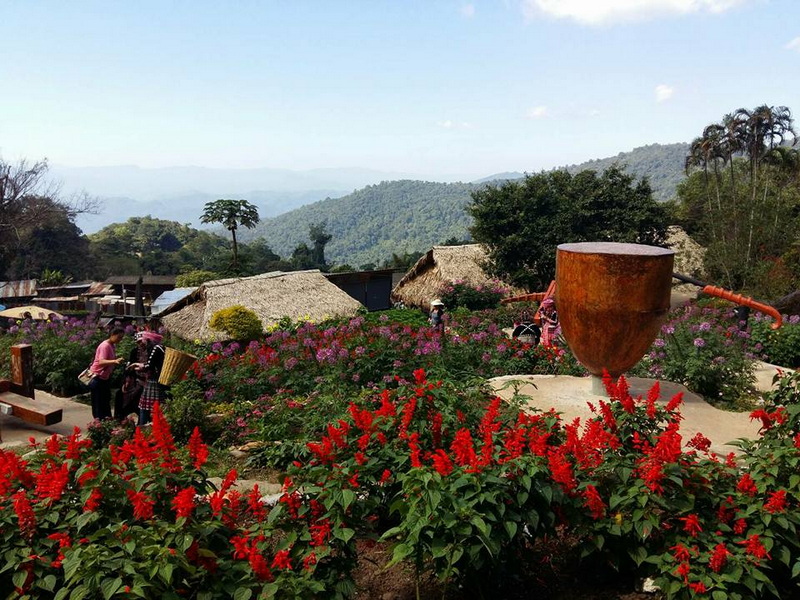
Northern Thailand’s hill tribe villages offer a rich cultural tapestry that invites travelers to experience indigenous traditions and lifestyles with respect and responsibility. Among these, the Hmong Doi Pui Village stands out as a meaningful destination for those seeking ethical tourism experiences that honor the dignity and heritage of local communities. This article explores how visitors can engage with the Hmong Doi Pui Village through carefully designed tours that emphasize cultural respect, sustainability, and community benefit. Travelers interested in immersing themselves in the unique culture of the Hmong people will find ethical hill tribe tours in Northern Thailand an excellent way to learn without exploitation. These tours combine visits to the village with opportunities to explore the sacred and scenic surroundings of Muang Chiang Mai, including half-day excursions to the revered Doi Suthep Temple and private temple tours that offer deeper insight into local religious practices. By focusing on responsible travel principles, this guide highlights how visitors can enjoy authentic cultural encounters while supporting indigenous communities and preserving their traditions. It also introduces nearby attractions such as Khun Chang Kian Village and Wat Pha Lad, enriching the journey with complementary cultural and natural experiences.
Understanding Ethical Hill Tribe Tours Northern Thailand
Ethical hill tribe tours prioritize respect, consent, and sustainability when engaging with indigenous communities. In Northern Thailand, where numerous hill tribe groups preserve their cultural identity, such tours aim to avoid the pitfalls of exploitation and cultural commodification that have historically affected many indigenous peoples worldwide. Travelers researching Ethical Hill Tribe Tours Northern Thailand can use these details when planning the trip. Travelers researching Private Tour Doi Suthep Temple can use these details when planning the trip.
At Hmong Doi Pui Village, ethical tourism means that visitors are welcomed as guests rather than spectators. Tour operators working under ethical guidelines ensure that proceeds contribute directly to community development, education, and the preservation of cultural heritage. Visitors are encouraged to interact with local artisans, learn about traditional crafts, and understand the historical context of the Hmong people without intruding on private or sacred aspects of village life.
Respecting cultural sensitivity is fundamental. This includes avoiding exoticizing language, refraining from photographing individuals without permission, and honoring the community’s right to set boundaries. Ethical tours also educate travelers on the significance of local customs and the environmental importance of the region, fostering a more meaningful and responsible travel experience.
Exploring the Doi Suthep Half-Day Tour Experience
The Doi Suthep half-day tour offers a convenient yet profound way to experience one of Northern Thailand’s most sacred sites alongside a visit to Hmong Doi Pui Village. Nestled on a mountain overlooking Chiang Mai, Wat Phra That Doi Suthep is a revered Buddhist temple known for its intricate architecture, golden chedi, and panoramic views.
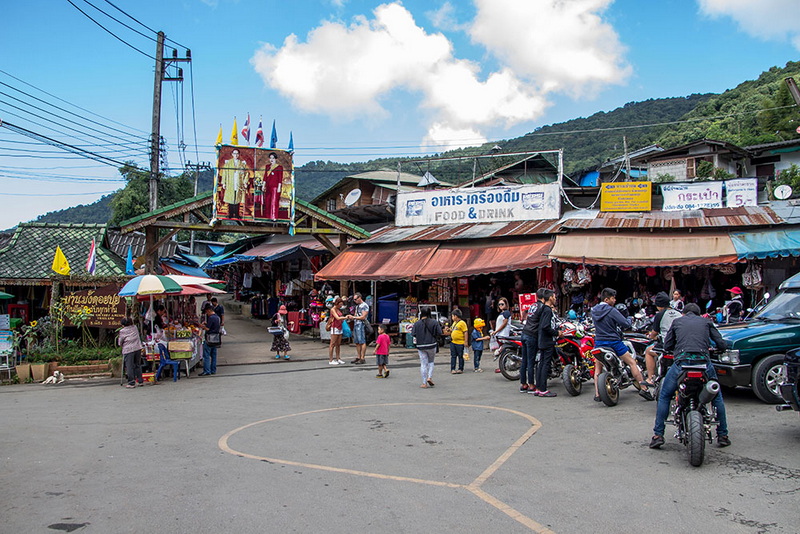
This half-day itinerary typically includes a scenic drive through lush forested areas, allowing travelers to witness the natural beauty that surrounds the temple and the village. The tour provides insights into Buddhist rituals and the temple’s historical significance, enhancing visitors’ understanding of Northern Thailand’s spiritual landscape.
Combining the temple visit with a stop at Hmong Doi Pui enriches the experience by contrasting religious heritage with indigenous cultural traditions. Travelers can observe traditional Hmong dress, handicrafts, and agricultural practices, gaining a holistic view of the region’s diverse cultural fabric within a manageable timeframe.
Benefits of a Private Tour to Doi Suthep Temple
For those seeking a more personalized and contemplative journey, a private tour to Doi Suthep Temple offers several advantages. This option allows travelers to tailor their visit according to their interests, pace, and questions, often accompanied by a knowledgeable guide who can provide nuanced explanations of the temple’s art, symbolism, and religious practices.
Private tours also enable respectful engagement with the temple’s monastic community, offering opportunities to learn about current Buddhist life and meditation practices in a setting away from larger crowds. When combined with a visit to Hmong Doi Pui Village, private tours emphasize quality over quantity, fostering deeper cultural connections and understanding.
This approach aligns closely with ethical tourism principles by minimizing disruption to sacred spaces and supporting local guides and communities through fair compensation. It encourages travelers to approach their visit with mindfulness and respect, enhancing the overall experience.
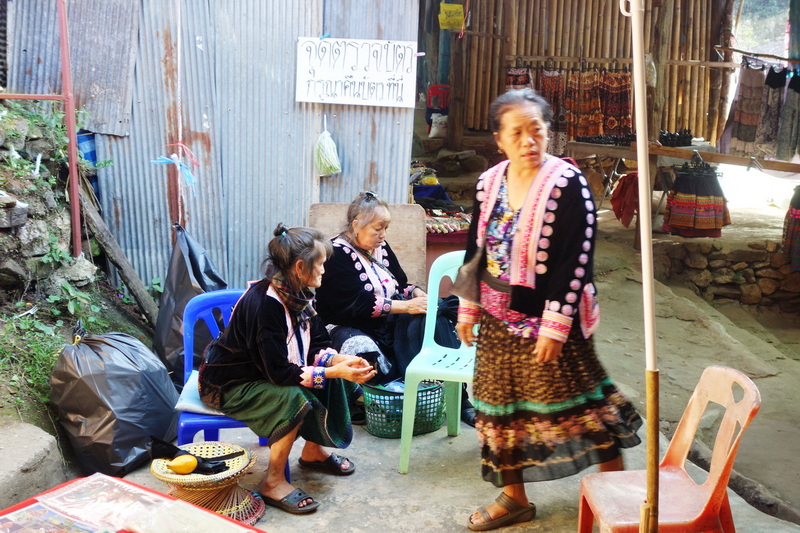
Complementary Visits to Khun Chang Kian Village and Wat Pha Lad
Beyond Hmong Doi Pui Village and Doi Suthep Temple, the surrounding area of Muang Chiang Mai offers additional sites that complement the ethical hill tribe tours. Khun Chang Kian Village is a rural community known for its agricultural lifestyle and vibrant local markets, providing insight into everyday rural life in Northern Thailand.
Visitors to Khun Chang Kian can appreciate the harmony between traditional farming methods and natural landscapes, which supports sustainable living practices. The village atmosphere encourages respectful observation and interaction without intruding on private spaces.
Wat Pha Lad, another nearby attraction, is a serene temple complex nestled in a forested setting. It offers a peaceful retreat for meditation and reflection, linking the spiritual themes of Doi Suthep with a quieter, more intimate environment. The temple’s natural surroundings underscore the importance of environmental stewardship, a value echoed in ethical tourism frameworks.
Together, these sites broaden the cultural and spiritual context of visits to Hmong Doi Pui Village, encouraging travelers to appreciate the interconnectedness of community, faith, and nature in Northern Thailand.
Guidelines for Traveling Responsibly in Muang Chiang Mai
Travelers intending to visit Hmong Doi Pui Village and its surroundings should approach their journey with sensitivity and awareness. Responsible travel means respecting local customs, dressing modestly when visiting temples, and refraining from behaviors that may disrupt community life or religious observances.
It is advisable to choose tour operators who demonstrate commitment to ethical practices, including fair wages for guides and artisans, transparent use of visitor contributions, and efforts to minimize environmental impact. Avoiding mass tourism activities and opting for smaller group tours helps preserve the authenticity and sustainability of the experience.
Photographs should be taken only with permission, especially in village settings where privacy is paramount. Engaging with community members through genuine conversation rather than transactional interactions fosters mutual respect and cultural exchange.
Finally, travelers should consider the environmental footprint of their visit by using eco-friendly transportation options when possible and supporting local businesses that prioritize sustainability. These mindful actions contribute to the long-term preservation of the cultural and natural heritage of Muang Chiang Mai and the hill tribe communities.
Nearby Attractions
Khun Chang Kian Village
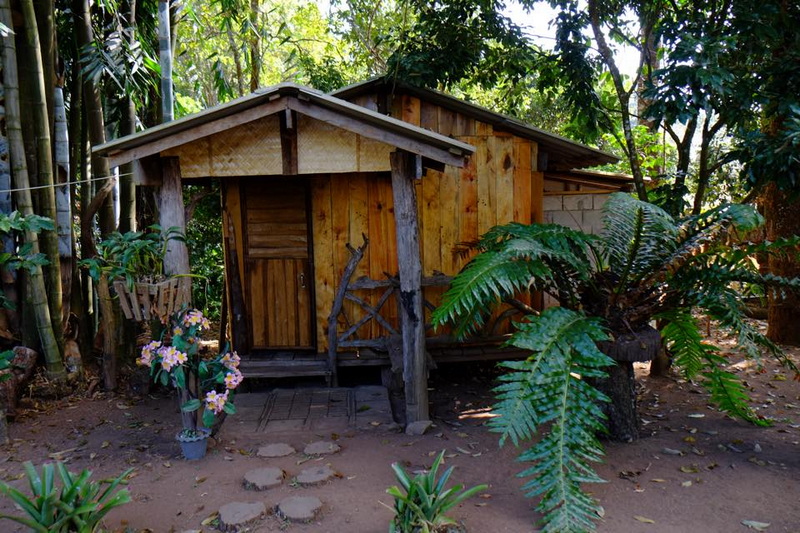
Khun Chang Kian Village lies within the fertile lands of Muang Chiang Mai and is renowned for its traditional agricultural practices and vibrant rural culture. Visitors to this village can observe how local farmers cultivate crops using methods passed down through generations, maintaining a close relationship with the land.
The village hosts occasional markets and cultural events that offer authentic glimpses into Northern Thai rural life without the trappings of commercial tourism. Its tranquil environment provides a contrast to the more frequented tourist sites, allowing travelers to appreciate a slower, more grounded way of living.
Respectful visitors will find Khun Chang Kian an enriching complement to their visit to Hmong Doi Pui Village, deepening their understanding of the region’s diverse cultural landscape.
Wat Pha Lad
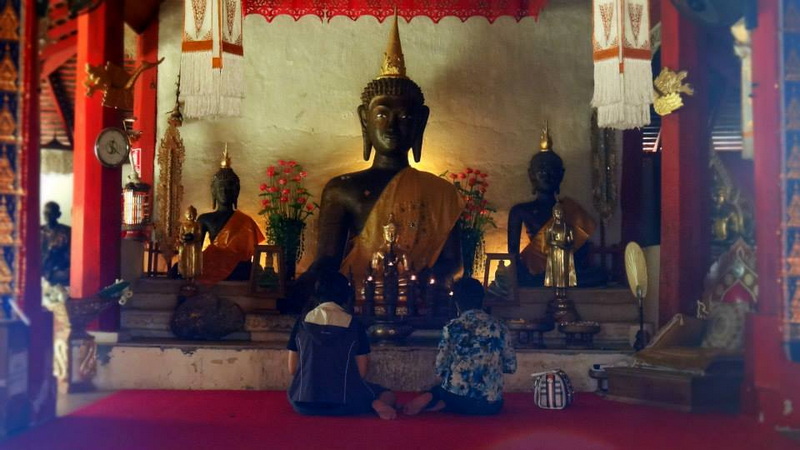
Wat Pha Lad is a peaceful temple complex set amid lush forested hills near Muang Chiang Mai. Known for its meditative ambiance and natural beauty, the temple offers a quiet space for contemplation and spiritual connection.
The temple grounds are carefully maintained to harmonize with the surrounding environment, reflecting Buddhist principles of mindfulness and respect for nature. Visitors can explore the temple structures, walk forest trails, and participate in meditation sessions when available.
Wat Pha Lad complements the spiritual experience of visiting Doi Suthep Temple by providing a more intimate setting that encourages reflection on the interconnectedness of faith, culture, and the natural world.
Planning Your Visit
Choosing ethical hill tribe tours in Northern Thailand, particularly at Hmong Doi Pui Village, empowers travelers to engage with indigenous cultures in a manner that honors their heritage and supports community well-being. By combining visits to culturally significant sites like Doi Suthep Temple with nearby villages and serene temples such as Khun Chang Kian and Wat Pha Lad, visitors gain a comprehensive and respectful understanding of the region. Approaching these experiences with mindfulness and care ensures that tourism becomes a force for positive cultural preservation rather than disruption. Responsible travel invites us all to be thoughtful guests who contribute to the sustainability of Northern Thailand’s rich cultural and spiritual landscapes.

No comments:
Post a Comment