Exploring Wat Umong and Private Tour Chiang Mai City Experiences
Discover the unique features of Wat Umong within Chiang Mai temples and how private tours enrich your visit
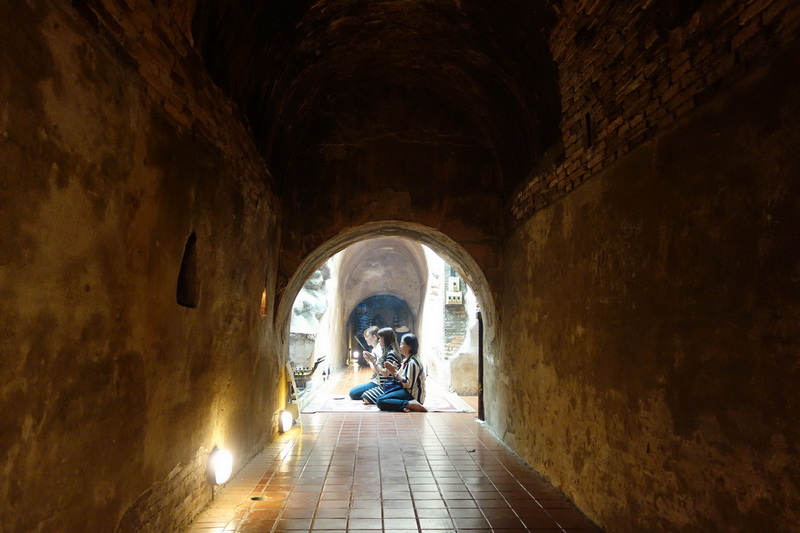
Nestled in the serene outskirts of Muang Chiang Mai, Wat Umong stands out among Chiang Mai temples for its tranquil atmosphere and distinctive forest setting. This ancient temple, known also as Wat Umong Suan Putthatham, offers visitors a rare glimpse into Lanna heritage and Buddhist philosophy through its unique architectural features and spiritual ambiance. Exploring Wat Umong provides a peaceful retreat from the city’s bustle, inviting travelers to engage thoughtfully with its history and environment. Understanding Wat Umong’s place within the broader context of Chiang Mai temples enhances appreciation for its cultural significance. This temple contrasts with the more ornate city temples through its earthy, nature-integrated design and tunnel shrines, reflecting a meditative tradition deeply rooted in northern Thailand’s spiritual landscape. Many travelers choose to include Wat Umong in their itinerary when booking a Private Tour Chiang Mai City, which allows for a personalized and immersive experience tailored to cultural curiosity and respectful exploration. Private tours in Chiang Mai offer flexibility and insightful guidance, helping visitors navigate the rich diversity of temples and nearby attractions with ease. Wat Umong, in particular, benefits from such focused attention, as guides can explain its symbolism, history, and architectural nuances that might be overlooked on larger group tours. This article explores Wat Umong’s distinctive features, situates it among Chiang Mai temples, and discusses the role of private tours in enriching the visitor experience, along with highlighting nearby cultural sites worth visiting.
Unique Features of Wat Umong
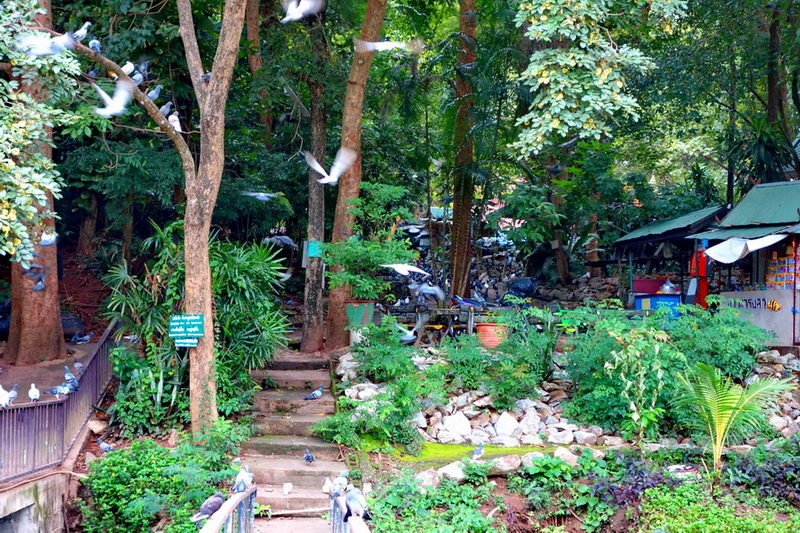
Wat Umong is renowned for its unusual forest temple setting, located on the gentle slopes near Doi Suthep mountain. Unlike many of Chiang Mai’s temples that feature elaborate golden stupas and intricate carvings, Wat Umong embraces simplicity and nature. Its grounds are filled with ancient trees, serene ponds, and peaceful walking paths that encourage contemplation and connection with the natural world. Travelers researching Chiangmai Tours can use these details when planning the trip.
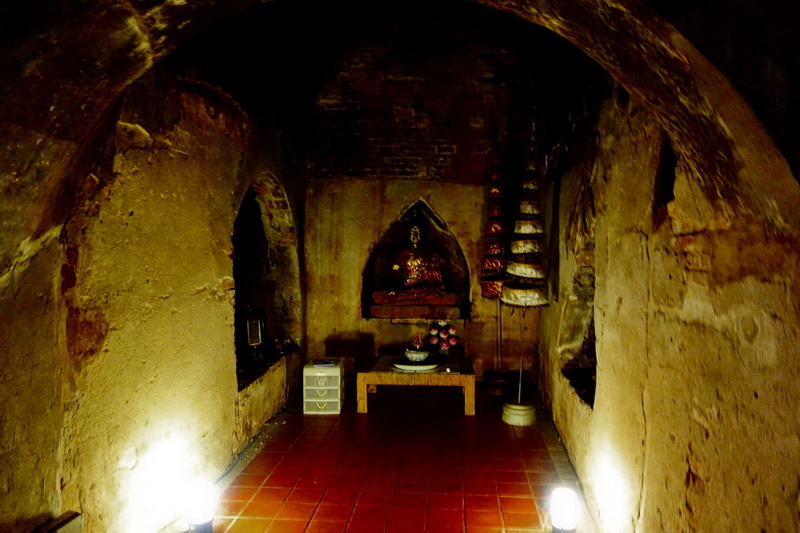
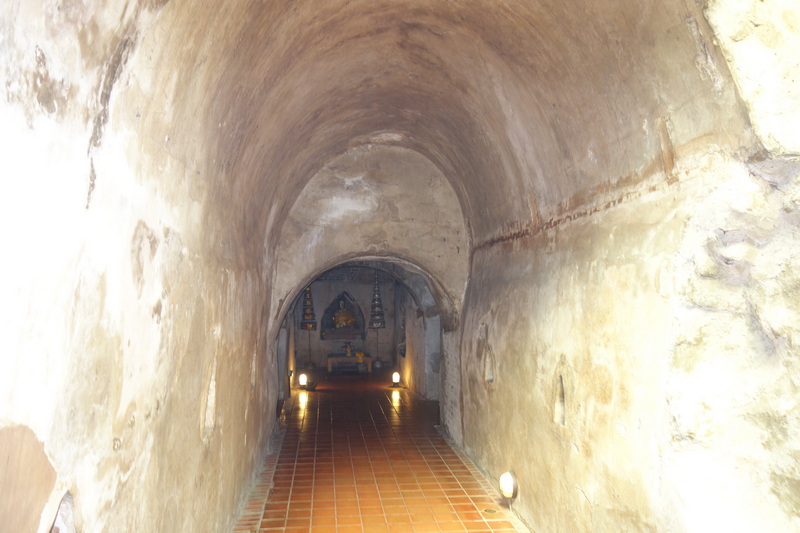
One of the temple’s most distinctive aspects is its network of underground tunnels, originally constructed in the 14th century. These tunnels contain Buddha images and murals, serving historically as meditation retreats for monks and spiritual practitioners. The cool, dimly lit passageways create a unique atmosphere that invites quiet reflection and offer a tangible link to the temple’s monastic past.
The temple complex also includes traditional Lanna-style chedis and a large open-air viharn (assembly hall). Visitors often find the resident monks approachable and the atmosphere welcoming, which supports an authentic cultural experience. Wat Umong’s emphasis on meditation and simplicity offers a contrast to the more tourist-centric temples, making it a favored destination for those seeking a deeper spiritual encounter.
Wat Umong in the Context of Chiang Mai Temples
Chiang Mai is home to a rich collection of temples, each representing different aspects of northern Thai culture and Buddhist traditions. Wat Umong holds a special place among these for its historical and architectural uniqueness. While temples like Wat Phra Singh and Wat Chedi Luang are known for their grand structures and city-center locations, Wat Umong offers a contrasting experience that is more intimate and nature-focused.
The temple’s history dates back over 700 years, and it was originally built during the reign of King Mangrai, the founder of Chiang Mai. Its design reflects the Lanna Kingdom’s architectural style but with a notable emphasis on blending with the forest environment. This approach aligns with the Buddhist principle of simplicity and detachment from material excess.
Visitors to Chiang Mai Temples often seek to understand the spiritual and cultural narratives that each site embodies. Wat Umong’s preservation of monastic traditions and its role as a meditation center enrich the broader tapestry of Chiang Mai’s religious heritage. It exemplifies how temples in this region serve not only as places of worship but also as centers for learning, reflection, and community engagement.
Experiencing Wat Umong with Private Tour Chiang Mai City Options
Choosing a Private Tour Chiang Mai City can greatly enhance the experience of visiting Wat Umong and other temples in the area. Private tours allow travelers to explore at their own pace, receive detailed explanations from knowledgeable guides, and focus on areas of personal interest, such as temple history, architecture, or Buddhist practices.
Private tours offer the flexibility to combine Wat Umong with other nearby cultural sites, creating a comprehensive itinerary that suits individual preferences. This personalized approach helps deepen understanding and appreciation, especially for travelers interested in the spiritual and historical significance of the temples rather than merely sightseeing.
When arranging a private tour, it is important to consider respectful behavior and cultural sensitivity, particularly at sacred sites like Wat Umong. Guides typically provide insights into appropriate etiquette, such as dress codes, photography guidelines, and how to engage respectfully with monks and local devotees. This ensures a meaningful and considerate visit that honors the temple’s sacred nature.
Overall, private tours facilitate a richer connection with Chiang Mai Temples, allowing visitors to immerse themselves fully in the cultural and spiritual environment, beyond the surface-level experience of larger group tours.
Nearby Attractions to Complement Your Visit to Wat Umong
Wat Umong’s location in Muang Chiang Mai places it conveniently near several other noteworthy sites, making it an excellent starting point for a broader cultural exploration. Two significant nearby attractions are Wat Suan Dok and Wat Jed Yod, each offering distinct experiences that complement a visit to Wat Umong.
Wat Suan Dok is a large temple complex known for its impressive white chedi and the royal cemetery of the Lanna dynasty. This temple combines historical importance with a lively monastic community and often hosts meditation retreats, providing visitors with insight into contemporary Buddhist practices in northern Thailand.
Wat Jed Yod, located slightly northeast of Wat Umong, is famous for its unique architecture and the seven-spired chedi, which is the only one of its kind in Chiang Mai. The temple’s design is influenced by Sri Lankan styles and serves as a center for Buddhist education, reflecting the city’s diverse religious heritage.
Including these nearby temples in your itinerary offers a well-rounded view of Chiang Mai’s religious and cultural landscape, enhancing the understanding gained from the quiet and contemplative atmosphere of Wat Umong.
Nearby Attractions
Wat Suan Dok
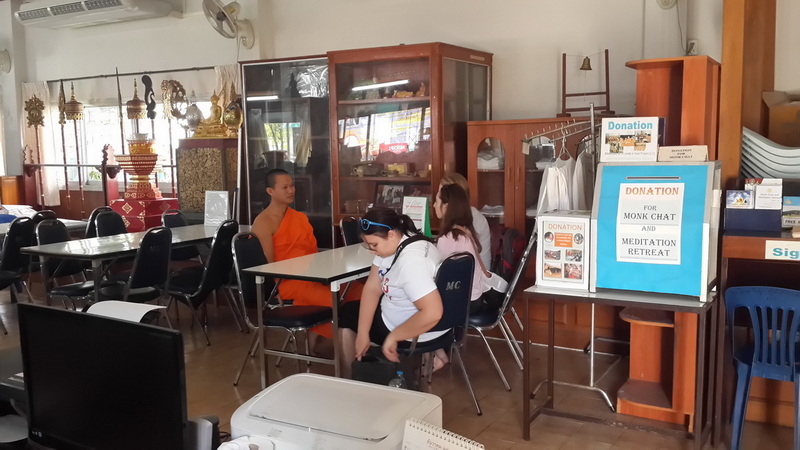
Wat Suan Dok is a prominent temple located west of Chiang Mai’s old city and is easily accessible from Wat Umong. Its large white chedi stands out as a landmark and is the final resting place of several members of the Lanna royal family. The temple grounds are spacious, peaceful, and often used for meditation and teaching sessions.
Visitors to Wat Suan Dok can observe monks performing daily rituals and may have opportunities to participate in meditation classes or cultural events. The temple’s blend of historical reverence and active spiritual life provides a dynamic experience for those interested in both the past and present of Chiang Mai’s Buddhist traditions.
Wat Jed Yod
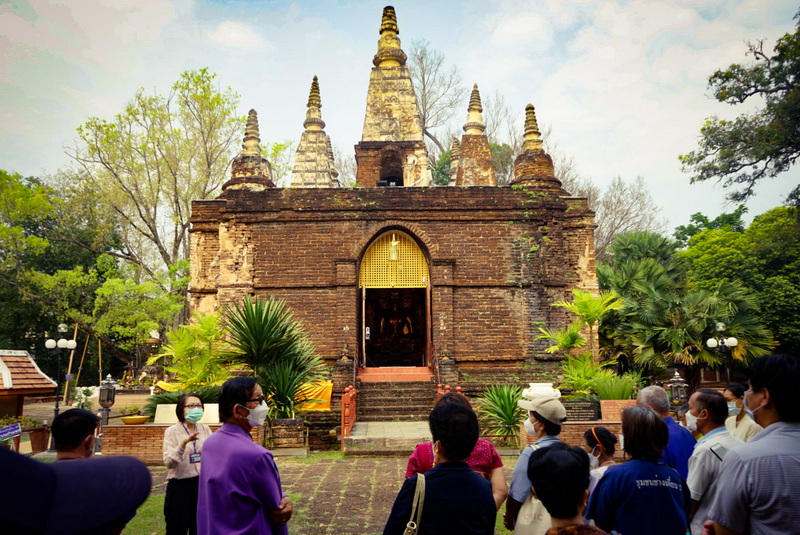
Wat Jed Yod, located to the northeast of Wat Umong, is distinguished by its rare seven-spired stupa, an architectural feature that reflects influences from Sri Lanka and represents a significant example of cross-cultural Buddhist art. The temple dates back to the 15th century and remains an important site for religious education and practice.
The temple’s tranquil environment and distinctive architecture make it a compelling stop for visitors exploring the spiritual heritage of Chiang Mai. Its educational role and preservation efforts highlight the city’s commitment to maintaining diverse Buddhist traditions and fostering cultural understanding.
Planning Your Visit
Visiting Wat Umong offers a unique opportunity to engage deeply with one of Chiang Mai’s most distinctive temples, set apart by its forest surroundings and meditative tunnels. When combined with a Private Tour Chiang Mai City, the experience becomes even more enriching, providing tailored insights and respectful guidance. Nearby sites like Wat Suan Dok and Wat Jed Yod further enhance your understanding of the region’s rich religious heritage. Exploring these temples thoughtfully allows travelers to appreciate not only their architectural beauty but also the living cultural and spiritual traditions that continue to shape northern Thailand today.

No comments:
Post a Comment