Discovering Ban Khun Chang Kian and Northern Thailand's Indigenous Traditions
Exploring the rich culture of traditional villages and the Hmong hilltribe in Chiang Mai
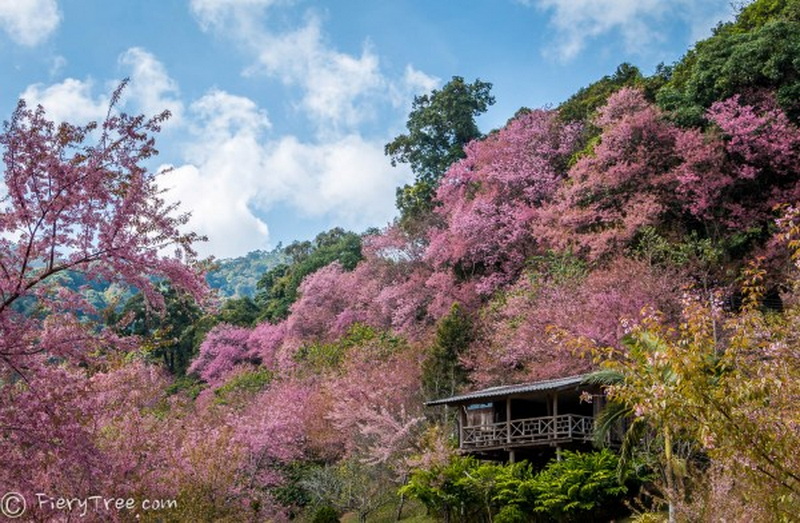
Nestled in the mountainous terrain of Muang Chiang Mai, Ban Khun Chang Kian stands as a living testament to the enduring traditions of northern Thailand's indigenous peoples. This village, home predominantly to the Hmong hilltribe, offers a rare and respectful glimpse into a way of life that has been preserved through generations. Visitors seeking cultural depth and authentic experiences will find Ban Khun Chang Kian an invaluable destination to understand the intricate customs and heritage of the region. Traditional villages in Chiang Mai like Ban Khun Chang Kian are more than just picturesque settings; they are vibrant communities where indigenous culture continues to shape daily life. The Hmong people, known for their distinctive textiles, farming practices, and social structures, maintain a lifestyle that honors ancestral knowledge and environmental harmony. Exploring this village invites travelers to appreciate the significance of cultural preservation and the resilience of northern Thailand indigenous tribes. In addition to the village itself, the surrounding area offers complementary sites that deepen the cultural experience. Nearby landmarks such as Wat Phra That Doi Suthep and Chiang Mai Zoo provide context and contrast to the indigenous traditions of Ban Khun Chang Kian, highlighting the diverse cultural tapestry of Chiang Mai. This article will explore the unique attributes of the village, the heritage of the Hmong hilltribe, and how these elements enrich a visit to northern Thailand.
Life and Traditions in Ban Khun Chang Kian Village
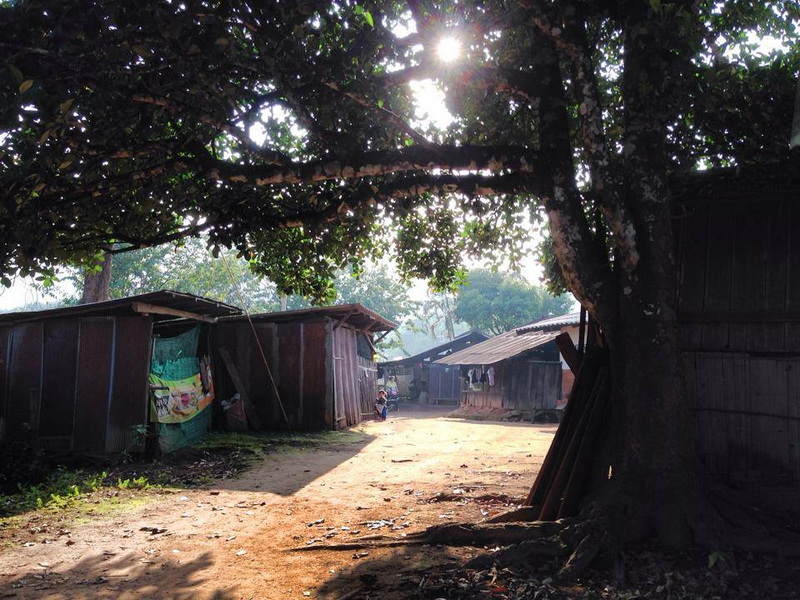
Ban Khun Chang Kian is distinguished by its strong adherence to traditional village practices that have been passed down over centuries. The community is primarily composed of the Hmong hilltribe, whose customs are deeply intertwined with the rhythms of nature and the cycles of agriculture. Rice farming remains the economic backbone of the village, supported by traditional methods that emphasize sustainability and respect for the land.
Daily life in the village revolves around communal activities, with weaving, embroidery, and handicrafts playing central roles. Hmong women, in particular, are renowned for their skillful textile work, which features intricate patterns and vibrant colors symbolic of their cultural identity. These textiles not only serve practical purposes but also act as expressions of storytelling and heritage preservation.
Social and spiritual practices are integral to village life. Ceremonies, festivals, and rites of passage are observed with reverence, often involving music, dance, and traditional dress. These cultural expressions foster community cohesion and maintain the continuity of indigenous knowledge, reinforcing the village’s role as a guardian of northern Thailand indigenous tribes’ heritage.
Understanding the Hmong Hilltribe Culture
The Hmong hilltribe, one of the prominent indigenous groups in northern Thailand, has a rich cultural history characterized by distinct linguistic, artistic, and social traditions. Their origins trace back to the mountainous regions of Southeast Asia, where they developed a unique identity shaped by both isolation and interaction with neighboring communities.
Hmong culture places strong emphasis on family ties and clan relationships, with elders respected as custodians of wisdom and tradition. Their animist beliefs coexist with elements of Buddhism, resulting in a spiritual worldview that honors ancestors and natural spirits. This blend of beliefs is evident in their rituals and everyday practices, which aim to maintain harmony between the community and the environment.
Traditional Hmong dress is one of the most visible aspects of their culture, featuring hand-stitched garments adorned with symbolic motifs. These costumes are worn during special occasions and ceremonies, serving as a proud display of tribal identity. The preservation of language, music, and oral histories further strengthens the cultural fabric of the Hmong people living in Ban Khun Chang Kian and beyond.
Cultural Preservation and Ethical Engagement
Ban Khun Chang Kian exemplifies efforts to preserve indigenous culture in a rapidly modernizing world. The village’s residents actively maintain their traditions while engaging with visitors in ways that promote mutual respect and understanding. This approach ensures that cultural exchange benefits both the community and travelers without commodifying or misrepresenting the hilltribe’s heritage.
Visitors to Ban Khun Chang Kian are encouraged to approach the village with sensitivity, recognizing the importance of consent and dignity in all interactions. Learning about traditional crafts, participating in cultural demonstrations, and observing ceremonies provide meaningful ways to support cultural preservation. Such experiences contribute to a broader awareness of the challenges faced by northern Thailand indigenous tribes in maintaining their identity.
Sustainable tourism practices are vital in this context, as they help safeguard the environment and social structures that underpin village life. By choosing to engage ethically, travelers contribute to the empowerment of the Hmong hilltribe and the continuation of traditional villages in Chiang Mai as living cultural landscapes rather than static exhibits.
Nearby Cultural Sites Enhancing the Experience
Complementing a visit to Ban Khun Chang Kian are nearby attractions that offer broader perspectives on Chiang Mai’s cultural and natural heritage. Wat Phra That Doi Suthep, a revered Buddhist temple perched on a mountain overlooking the city, provides spiritual context and stunning vistas. It is a place of pilgrimage and cultural significance that deepens understanding of northern Thai religious traditions.
Chiang Mai Zoo, while primarily a wildlife conservation site, also serves as an educational resource about the region’s biodiversity. It offers insights into the natural environment that supports many traditional villages and indigenous communities. Together, these sites create a well-rounded itinerary that balances cultural immersion at Ban Khun Chang Kian with appreciation for broader regional heritage.
Exploring these nearby locations alongside the village visit enriches the traveler’s comprehension of how indigenous traditions coexist with other cultural and ecological elements in northern Thailand. This holistic approach fosters a deeper respect for the interconnectedness of people, culture, and nature.
Nearby Attractions
Wat Phra That Doi Suthep
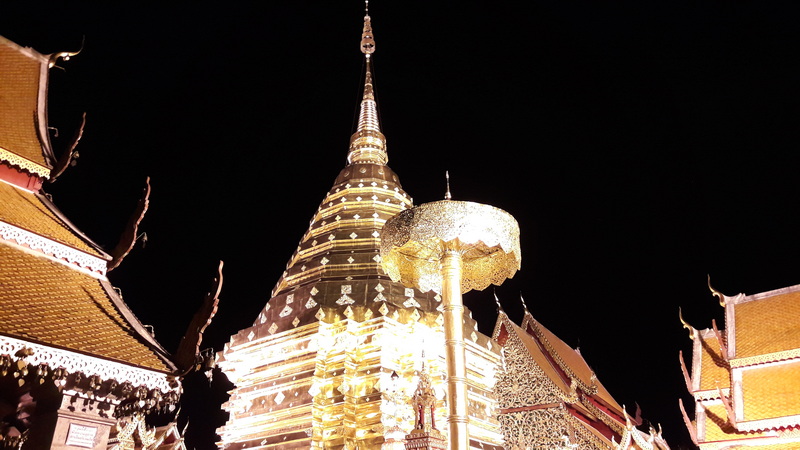
Wat Phra That Doi Suthep is one of northern Thailand’s most iconic temples, situated approximately 15 kilometers from Muang Chiang Mai. It holds immense religious significance for Thai Buddhists and is a symbol of Chiang Mai’s spiritual heritage. The temple complex features intricate Lanna architecture, golden chedis, and panoramic views of the surrounding landscape.
Visitors often ascend a long staircase adorned with naga serpents to reach the temple, an experience that blends physical effort with spiritual reflection. The temple’s serene atmosphere and cultural richness complement a visit to Ban Khun Chang Kian by providing insight into the dominant religious practices of the region, contrasting with the indigenous spiritual traditions of the hilltribe.
Wat Phra That Doi Suthep is also a center for festivals and ceremonies, especially during major Buddhist holidays. Its proximity to traditional villages allows travelers to appreciate the multifaceted cultural landscape of northern Thailand.
Chiang Mai Zoo

Located near the base of Doi Suthep mountain, Chiang Mai Zoo is a prominent conservation and educational facility in the region. It houses a diverse collection of animal species native to Thailand and beyond, with a focus on preserving endangered wildlife and promoting environmental awareness.
While the zoo primarily serves as a natural attraction, it also supports the cultural context of northern Thailand by highlighting the ecological systems that sustain traditional villages like Ban Khun Chang Kian. Understanding the relationship between indigenous communities and their environment is essential to appreciating the full scope of northern Thailand indigenous tribes’ lifestyles.
Visitors to the zoo can learn about habitat conservation efforts and the importance of biodiversity, which indirectly supports the preservation of cultural heritage by maintaining the natural resources upon which many traditional practices depend.
Planning Your Visit
Ban Khun Chang Kian offers a rare opportunity to witness and learn from one of northern Thailand’s enduring indigenous cultures. The village’s commitment to preserving Hmong hilltribe traditions provides valuable insights into the region’s history, social fabric, and spiritual life. By exploring this community alongside nearby cultural landmarks such as Wat Phra That Doi Suthep and Chiang Mai Zoo, travelers gain a nuanced understanding of how traditional villages in Chiang Mai continue to thrive amidst modern influences. Respectful engagement with Ban Khun Chang Kian not only enriches one’s travel experience but also contributes to the ongoing vitality of northern Thailand indigenous tribes and their cultural heritage.

No comments:
Post a Comment