Wat Phra That Doi Suthep as a Must Visit Temples In Northern Thailand
Explore the cultural significance and practical half-day tours of Wat Phra That Doi Suthep with nearby attractions in Muang Chiang Mai
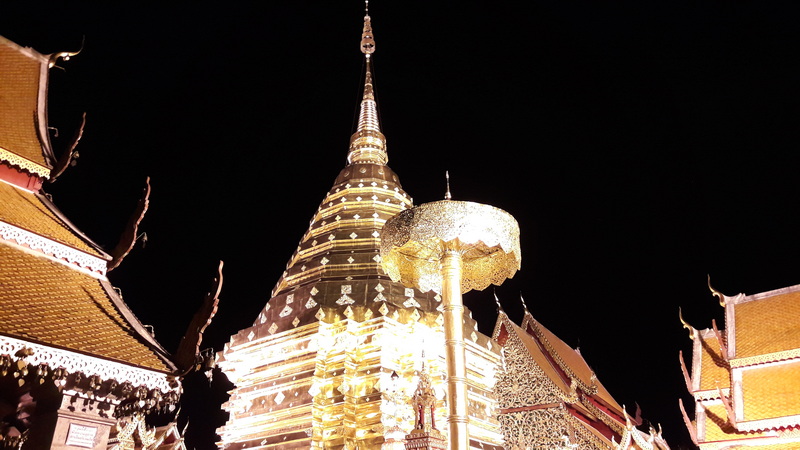
Wat Phra That Doi Suthep stands as one of the most revered and iconic temples in northern Thailand, drawing travelers who seek both spiritual insight and cultural richness. Nestled on the slopes of Doi Suthep mountain in Muang Chiang Mai, this temple offers visitors a unique glimpse into the religious heritage and artistic traditions of the region. It is widely regarded as a must visit temples in northern Thailand, celebrated not only for its golden chedi but also for its panoramic views over Chiang Mai city. For travelers aiming to experience this temple within a manageable timeframe, the concept of a Doi Suthep half-day tour has become increasingly popular. Such tours balance cultural immersion with practical scheduling, allowing visitors to appreciate the temple’s significance without requiring a full day. Additionally, Chiang Mai temple tour Doi Suthep options provide flexible itineraries that often include visits to nearby cultural sites, enhancing the overall experience. This guide focuses on highlighting the importance of Wat Phra That Doi Suthep, exploring the benefits of half-day touring, and introducing nearby attractions such as Hmong Doi Pui Village and Khun Chang Kian. Whether you are a first-time visitor or planning a well-paced trip, this overview aims to build confidence and curiosity for an enriching journey.
The Cultural and Spiritual Significance of Wat Phra That Doi Suthep
Wat Phra That Doi Suthep is more than a striking landmark; it is a vital religious site deeply embedded in the spiritual life of northern Thailand. Founded in the 14th century, the temple houses a relic believed to be a bone of the Buddha, which enhances its sacred status. The golden chedi, gleaming atop the mountain, symbolizes the enlightenment and reverence central to Buddhist practice.
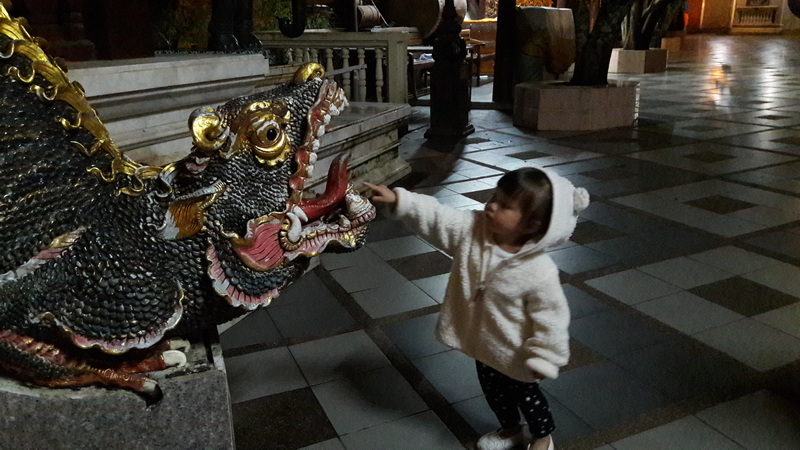
Visitors to the temple will notice intricate Lanna-style architecture, adorned with detailed carvings, colorful murals, and elaborate statues. These artistic features reflect centuries of devotion and craftsmanship. The temple’s elevated position provides a serene atmosphere suitable for meditation, prayer, and reflection, attracting both local worshippers and international travelers.
Respectful visitation is essential as Wat Phra That Doi Suthep remains an active place of worship. Modest dress and mindful behavior uphold the sanctity of the site. Understanding the temple’s cultural context enriches the visit, allowing travelers to appreciate its role beyond its visual beauty.
Planning a Doi Suthep Half-Day Tour for an Efficient Visit
The popularity of Wat Phra That Doi Suthep as a must visit temples in northern Thailand has led to the development of various half-day tour options. These tours are designed to fit comfortably within a morning or afternoon, making them ideal for travelers with limited time or those who prefer a more relaxed pace.
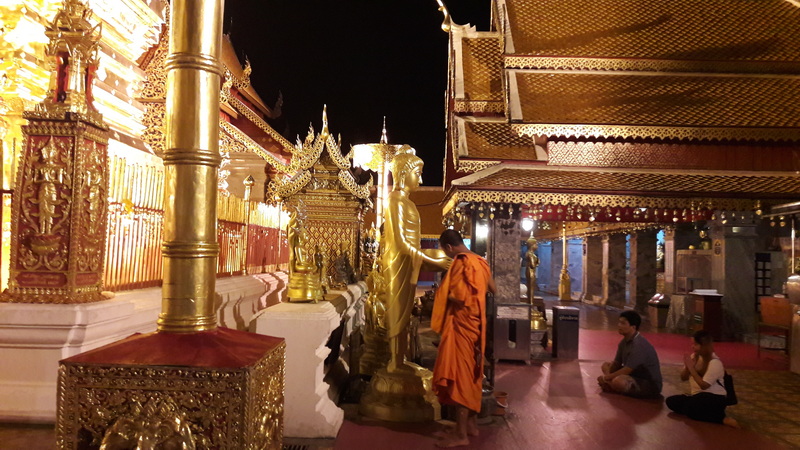
A typical Doi Suthep half-day tour includes transportation from Chiang Mai city to the temple, time to explore the temple complex, and often a chance to enjoy the scenic views from the mountain. Some tours also offer a visit to nearby attractions, blending cultural and natural experiences in one itinerary.
Chiang Mai temple tour Doi Suthep packages provide flexibility, catering to individual preferences and allowing visitors to combine the temple visit with other interests, such as local villages or nature excursions. This approach helps travelers maximize their experience without feeling rushed, ensuring a meaningful and manageable outing.
Complementing Your Visit with Nearby Cultural and Natural Attractions
To enrich the experience of visiting Wat Phra That Doi Suthep, travelers often explore nearby attractions that offer additional cultural insights and scenic beauty. Two notable places in the vicinity are the Hmong Doi Pui Village and Khun Chang Kian, each providing a distinct perspective on the region’s heritage and environment.
These sites are easily accessible from the temple and can be included in half-day or extended tours. Visiting them alongside Wat Phra That Doi Suthep allows travelers to appreciate the diversity of northern Thailand’s cultural landscape and natural charm, creating a well-rounded itinerary.
Discovering Hmong Doi Pui Village: Traditional Hill Tribe Culture
Hmong Doi Pui Village is a traditional hill tribe settlement located near Wat Phra That Doi Suthep. The village is home to the Hmong people, who have preserved their distinctive customs, clothing, and handicrafts. Visiting this village offers travelers a respectful glimpse into the lifestyle and artistry of one of northern Thailand’s indigenous communities.
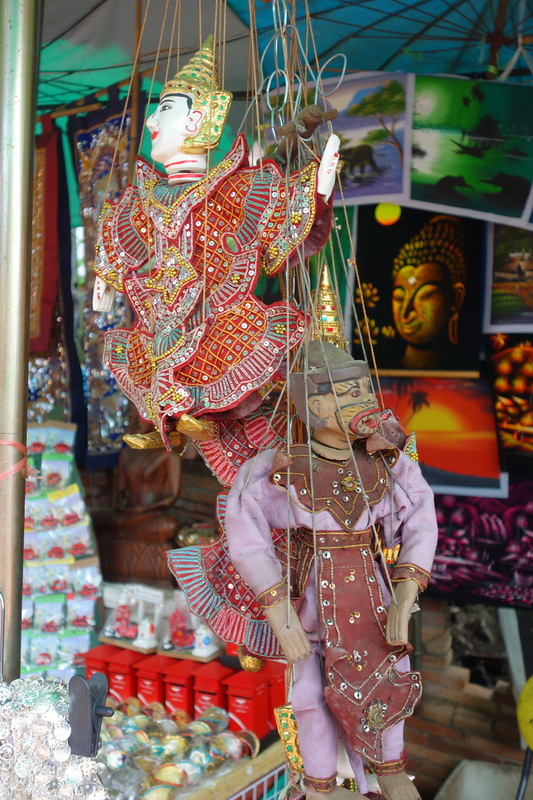
The village environment is peaceful, set against a backdrop of lush mountain scenery. Visitors can observe local weaving techniques, purchase handmade textiles, and learn about the community’s agricultural practices. It is important to approach the village with cultural sensitivity, recognizing the residents’ dignity and privacy.
Incorporating Hmong Doi Pui Village into a temple tour adds depth by connecting spiritual heritage with living cultural traditions, enhancing the understanding of the region’s multifaceted identity.
Exploring Khun Chang Kian: Nature and Local Life Near Doi Suthep
Khun Chang Kian is a rural area located close to Wat Phra That Doi Suthep, known for its agriculture and natural landscapes. This location provides a contrast to the temple’s spiritual atmosphere by offering a glimpse into everyday life and the region’s farming traditions.
Visitors to Khun Chang Kian can enjoy fresh mountain air, scenic views, and the opportunity to experience local markets or small-scale farms. The area is less frequented by tourists, making it a tranquil complement to a busy temple visit.
Including Khun Chang Kian in a half-day tour or temple-focused itinerary allows travelers to appreciate the balance between cultural heritage and natural surroundings that defines much of northern Thailand.
Tips for Planning Your Half-Day Visit to Wat Phra That Doi Suthep
To make the most of a Doi Suthep half-day tour, it is advisable to start early in the day to avoid crowds and enjoy cooler temperatures. The temple’s location on a mountain means some walking and stair climbing, so comfortable footwear and hydration are important.
Visitors should allocate sufficient time to explore the temple grounds, including the main chedi, various shrines, and the viewing platforms. Taking moments for quiet reflection enhances the spiritual experience.
When choosing a Chiang Mai temple tour Doi Suthep option, consider whether you want a guided experience that provides historical and cultural context or a more flexible, self-guided visit. Combining your temple visit with a stop at Hmong Doi Pui Village or Khun Chang Kian can enrich the day without overextending your schedule.
Finally, show respect for local customs by dressing modestly and observing temple etiquette, which helps maintain the sacred ambiance and supports positive interactions with the community.
Nearby Attractions
Hmong Doi Pui Village
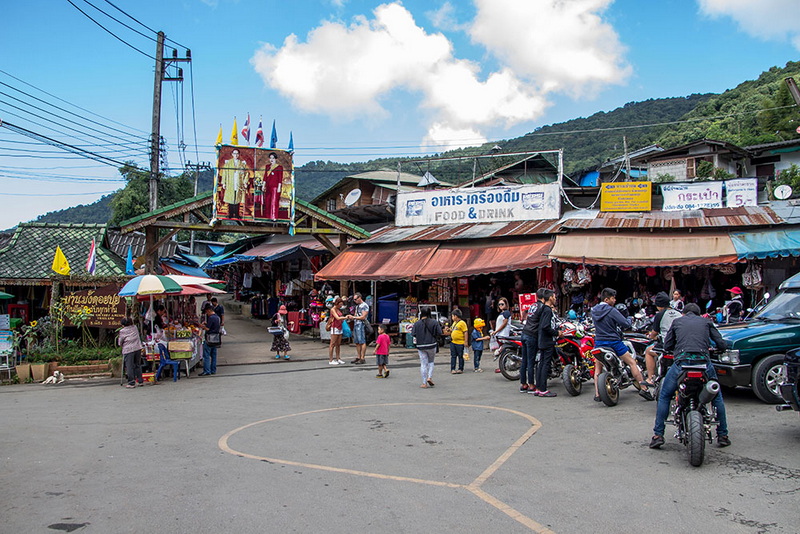
Hmong Doi Pui Village is a culturally rich hill tribe community near Wat Phra That Doi Suthep, famous for its traditional crafts and vibrant clothing. Visitors can learn about the Hmong people's customs and appreciate their dedication to preserving their heritage in a respectful environment.
The village offers a serene setting surrounded by mountain scenery, providing a peaceful complement to the spiritual atmosphere of the temple. It is a place to observe authentic rural life and engage with local artisans without intrusion.
Khun Chang Kian
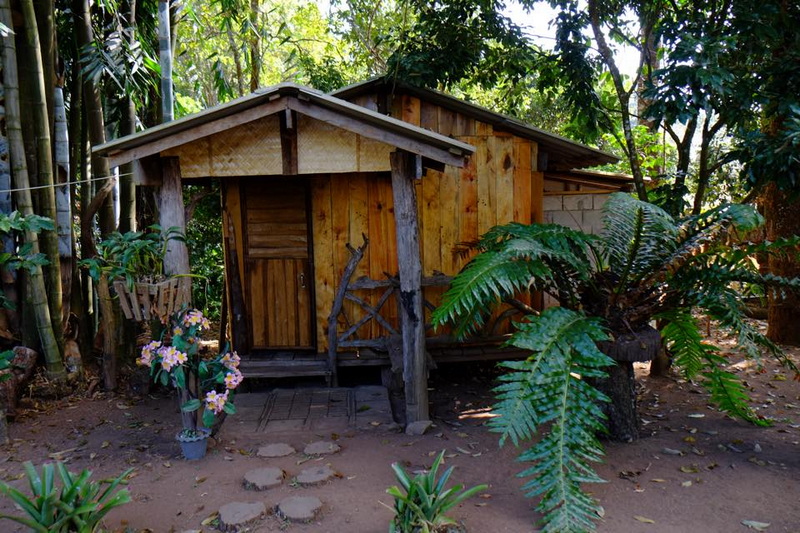
Khun Chang Kian is a peaceful rural area close to Doi Suthep, known for its farming landscapes and fresh mountain air. It presents an opportunity to experience local agricultural life and enjoy natural surroundings that contrast with the temple’s religious significance.
This area is ideal for visitors seeking a quiet retreat from busier tourist spots, adding a natural dimension to a cultural and spiritual itinerary centered on Wat Phra That Doi Suthep.
Planning Your Visit
Wat Phra That Doi Suthep remains a cornerstone of northern Thailand’s cultural and spiritual landscape, offering travelers a profound experience rooted in history and faith. By choosing a Doi Suthep half-day tour or a Chiang Mai temple tour Doi Suthep itinerary, visitors can balance meaningful exploration with practical time management. Including nearby sites such as Hmong Doi Pui Village and Khun Chang Kian further enriches the journey, providing a broader perspective on the region’s diverse heritage. With thoughtful planning and respectful engagement, your visit to this must visit temples in northern Thailand will leave a lasting impression of beauty, culture, and tranquility.


