Ethical Travel with the Lahu Hill Tribe
How thoughtful visitors can support dignity, consent, and community-led cultural exchange in Northern Thailand
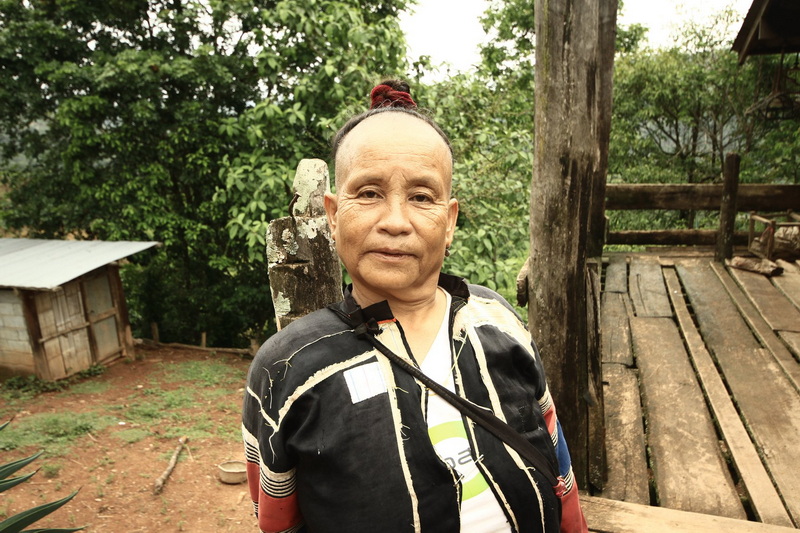
Visiting a Lahu Hill Tribe community in Northern Thailand can be meaningful, but the quality of the experience depends less on dramatic scenery or photographs than on how visitors behave. The Lahu are living communities, not attractions arranged for display. Their homes, beliefs, work, language, and family life deserve the same consideration that travelers would expect in their own communities. Ethical tourism begins with a simple change in perspective: a visitor is a guest, not a consumer of culture. This means seeking consent before taking photographs, listening without demanding personal stories, and recognizing that community members should have a meaningful say in how tourism takes place. It also means understanding that a respectful visit may feel quieter and less staged than an encounter designed solely for entertainment. This guide considers the principles behind Ethical Hill Tribe Tours Northern Thailand, with particular attention to community impact and responsible conduct around the Lahu Hill Tribe. It also explains why travelers researching Muser Hill Tribe Information should avoid treating Lahu and Muser identities as interchangeable. For people arranging a Chiang Mai Travel Package, these ideas offer a practical foundation for choosing and participating in cultural experiences with care.
What Makes a Hill Tribe Visit Ethical?
Ethical tourism is not a label that can be confirmed by scenery, a small group size, or the presence of a local guide alone. It is a continuing relationship between visitors, community members, guides, businesses, and local institutions. A responsible experience should aim to reduce harm, support local decision-making, and make cultural exchange based on dignity rather than curiosity alone.
Several principles are especially important. Consent should guide photography, recording, conversation, and entry into private spaces. Transparency matters too: visitors should be able to understand, in general terms, who benefits from their spending and whether community members are involved in planning or guiding the experience. Fair compensation for local knowledge and labor is another essential consideration, although travelers may not always be able to see every part of a tour’s financial structure.
Good ethical practice also avoids promises of an untouched or completely authentic culture. Communities change, adapt, and make their own choices. A village should not have to perform poverty, tradition, or remoteness to satisfy an outsider’s expectations. Responsible tourism leaves room for ordinary life, including work, education, modern technology, religious practice, and different opinions about visitors.
Understanding the Lahu Beyond a Travel Image
The Lahu are one of the Indigenous and ethnic minority peoples associated with the highlands of mainland Southeast Asia, including parts of Northern Thailand. Lahu communities are diverse, and language, religious practice, settlement history, and everyday customs can differ between places. For that reason, travelers should be cautious about broad statements that suggest every Lahu community shares one fixed way of life.
The name Muser is also encountered in Thailand as a term associated with Lahu people. However, terminology can carry historical and regional context, and individuals may prefer particular names for themselves or their communities. Anyone searching for Muser Hill Tribe Information should treat the phrase as a starting point for learning, not as permission to make assumptions about identity. Asking a respectful local guide how a community identifies is more appropriate than relying on a simplified travel description.
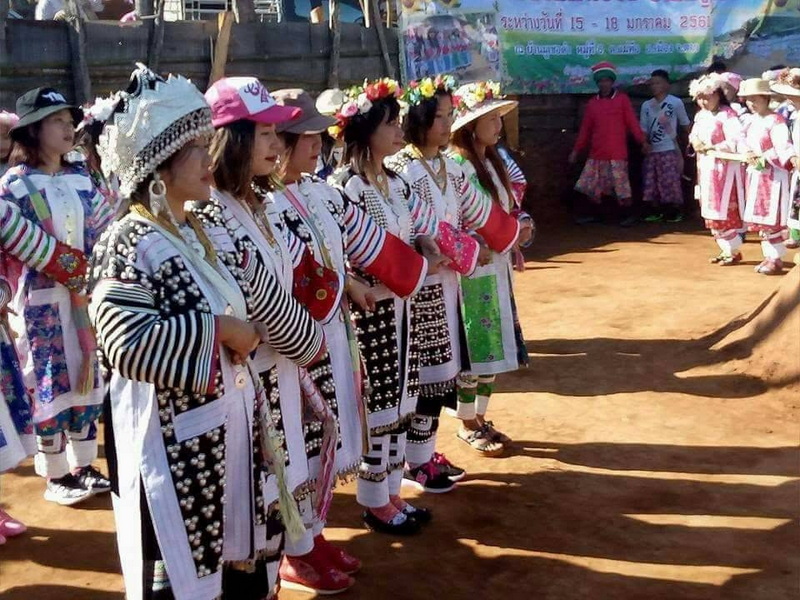
Cultural context is valuable when it encourages humility. Lahu people have their own histories, social relationships, spiritual traditions, economic pressures, and aspirations. A short visit cannot explain all of them. Visitors can nevertheless show respect by learning a little beforehand, listening carefully, and resisting the temptation to rank one community as more genuine than another. Cultural knowledge should deepen attention, not turn people into examples in a travel story.
The Community Impact of Tourism
Tourism can create useful opportunities for communities when local people control or meaningfully influence the way visits happen. Income may support guiding, food production, handicrafts, cultural interpretation, transport services, or community projects. Encounters can also encourage wider recognition of Indigenous cultures and give younger residents reasons to value knowledge that might otherwise be overlooked.
The benefits are not automatic. Money can bypass the community if outside operators control most of the activity. Visitors can also create pressure on privacy, water, waste systems, household routines, and sacred spaces. When photographs or stories circulate without permission, people may lose control over how their identities are represented. A visit that seems brief and harmless to a traveler can become tiring or intrusive when repeated by many groups.
Ethical travel therefore asks more than whether an activity is enjoyable. It asks who makes decisions, who receives income, whose voice is heard, and what happens after visitors leave. Travelers should favor experiences that communicate clear respect for local authority and do not encourage buying objects made from protected materials, entering restricted areas, or bargaining aggressively with small-scale producers. Spending thoughtfully is useful, but it should never be treated as a substitute for consent.
Community impact also includes the stories tourists tell afterward. Descriptions that portray Lahu people as mysterious, primitive, or frozen in the past can reinforce stereotypes even when the visit itself felt friendly. A more accurate account recognizes people as contemporary individuals with varied lives. Share only images and details that the people involved would reasonably be comfortable seeing outside the original encounter.
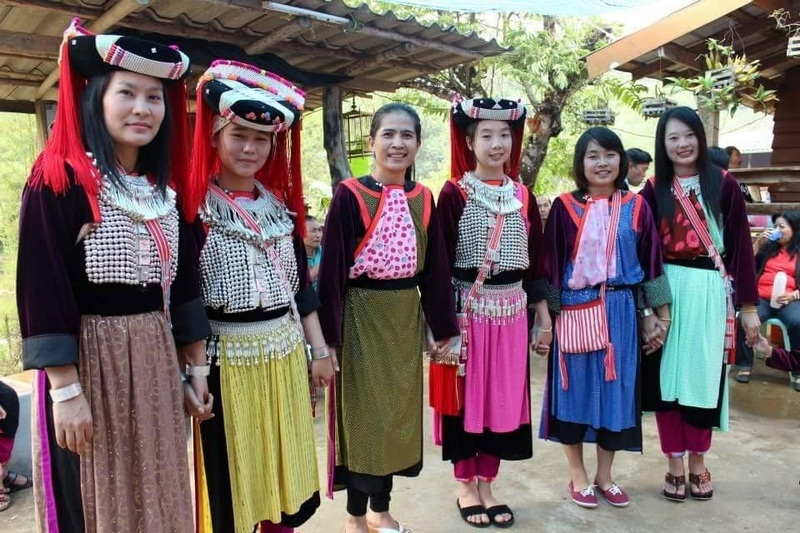
Practical Conduct for a Respectful Visit
Before visiting, learn the basic expectations communicated by the local host or guide. Ask whether photography is welcome, where visitors may walk, and which places or activities are private. If no one has explained these boundaries, do not assume that a welcoming smile is blanket permission. A polite question is often the simplest way to prevent discomfort.
During conversations, allow residents to decide how much they wish to share. Do not ask intrusive questions about income, migration, religion, citizenship, or family circumstances merely because the setting feels unusual. Children deserve particular protection: seek a parent or guardian’s permission before photographs or direct interaction, and avoid handing out sweets, money, or gifts individually. Such gestures can create dependence, competition, or confusion, even when the intention is generous.
Dress modestly and behave calmly around homes, religious sites, ceremonies, and work areas. Keep voices low when appropriate, do not touch belongings without permission, and follow local guidance about shoes, food, or sacred objects. Avoid turning ordinary tasks into a photo opportunity. If a person declines a photograph or conversation, accept the answer immediately and without persuasion.
Purchases can be a positive form of support when they are made directly or through a transparent local channel. Buy items because you value the maker’s work, not because you assume every object is a museum piece. Ask before handling products, pay the agreed amount, and avoid aggressive haggling over small differences. Sustainable behavior matters as well: carry waste away when needed, use water carefully, and avoid bringing disposable items that the community must manage after departure.
Families can apply the same principles by preparing children before the visit. Explain that residents are hosts and neighbors, not characters in a performance. Encourage children to observe quietly, ask permission, and understand that not every moment needs to be photographed. This turns an excursion into a lesson in citizenship and empathy rather than a search for unusual souvenirs.
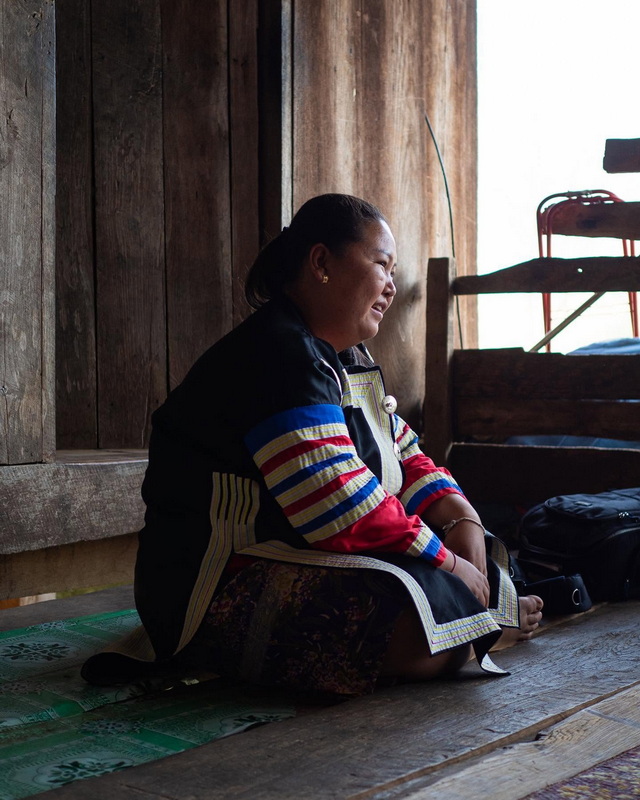
Choosing Travel Arrangements with Care
Travelers comparing a Chiang Mai Travel Package should look beyond the number of stops and the promise of an extraordinary encounter. Ask how cultural visits are described, whether community consent is acknowledged, and whether the itinerary leaves enough time for a respectful pace. Language that promises guaranteed access to private life or presents people as spectacles should be treated as a warning sign.
It is reasonable to ask an operator who leads the experience, whether local residents participate as guides or hosts, and how visitor behavior is communicated. A responsible provider may not be able to answer every financial question in detail, but it should take privacy, consent, and community welfare seriously. Travelers should also understand that ethical claims are not permanent guarantees; practices can change, so careful questions remain valuable.
Package travel does not automatically conflict with responsible tourism. A prearranged journey can be ethical when its cultural component is built around consent and local participation. Conversely, an independent visit is not automatically respectful if a traveler arrives uninvited or ignores community boundaries. The important issue is the relationship created by the visit, not whether the traveler booked a package or planned every element alone.
A thoughtful itinerary also leaves emotional space for uncertainty. The community may not resemble an image seen online, and an expected activity may not be appropriate on the day. Weather, work, ceremonies, privacy needs, or local decisions can change what is possible. Accepting those limits is part of ethical travel. The most responsible visitor is willing to receive less access in order to cause less disruption.
Planning Your Visit
A visit involving the Lahu Hill Tribe becomes more responsible when travelers replace consumption with attention. Learn before arriving, ask permission, respect privacy, support transparent local participation, and describe the community accurately afterward. Muser Hill Tribe Information can help provide cultural context, but no guide can replace listening to people in the place itself. Whether arranged independently or through a Chiang Mai Travel Package, an ethical encounter is measured by dignity and community benefit rather than by how many photographs or activities a visitor collects. The goal is not to find a culture untouched by change, but to meet living communities on terms that honor their right to shape their own future.

No comments:
Post a Comment