Wat Kam Ko and the Best Sights in Mae Hong Son
A thoughtful temple visit paired with flexible sightseeing from Chiang Mai
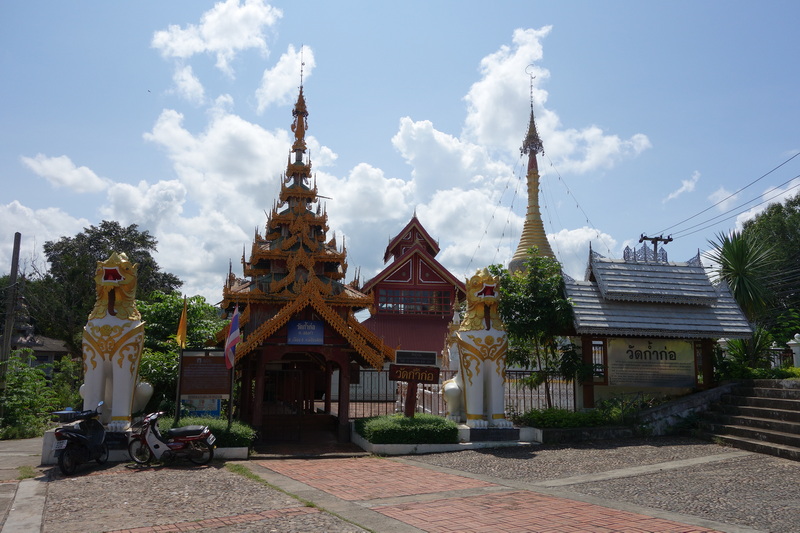
In the quiet urban landscape of Mueang Mae Hong Son District, Wat Kam Ko offers a meaningful stop for travelers who want to look beyond the province’s most photographed viewpoints. Also written as Kamko Temple or Wat Kamko, the temple belongs naturally in a day of cultural sightseeing, especially for visitors interested in the relationship between religious places, local architecture, and the character of northern Thailand. A visit does not need to be rushed. The appeal of Wat Kam Ko lies in observing its setting, architectural details, and continuing role as a place of worship rather than treating it as a quick photograph on a crowded route. Travelers can combine the temple with other central Mae Hong Son sights, then choose a slower pace for nearby cultural and natural stops. For visitors coming from Chiang Mai, a private tour can make this style of exploration easier to arrange. A Private Mae Hong Son Tour From Chiang Mai may suit travelers who want flexibility in how long they spend at each stop, while independent visitors can use the same ideas to shape their own sightseeing day. The focus is not on collecting attractions, but on noticing what makes this corner of Mae Hong Son distinctive.
Beginning with the setting of Wat Kam Ko
Wat Kam Ko is located in Mueang Mae Hong Son District, close to the central sights that give the town its distinctive cultural atmosphere. Its position makes it suitable for travelers building a walking-oriented or short-distance sightseeing plan rather than treating the temple as an isolated destination. The surrounding townscape helps place the visit in context: religious buildings, local streets, mountain scenery, and everyday community life exist alongside one another.
The first impression may be one of calm and proportion rather than grand scale. That quality is part of the temple’s sightseeing appeal. Visitors can take time to look at the entrance, rooflines, ornamental details, and the arrangement of the grounds, while remembering that the site remains connected to religious practice. The most respectful approach is to observe quietly, dress appropriately, and follow any signs or guidance provided at the temple.
For travelers researching Wat Kam Ko Mae Hong Son, it is useful to think of the site as a cultural pause within a wider town visit. It can appeal to photographers interested in form and texture, architecture-minded visitors, and travelers who prefer places where a destination’s identity is expressed through ordinary religious and community spaces.
What makes this Kam Ko Temple visit worthwhile
The interest of Kam Ko Temple comes from the way several layers of travel experience meet in one place. There is the visual layer of temple architecture, the cultural layer of Buddhist worship, and the local layer of a working religious site within Mae Hong Son’s town environment. None of these needs to be exaggerated to make the visit worthwhile. Careful observation is enough to reveal details that can be missed during a hurried stop.
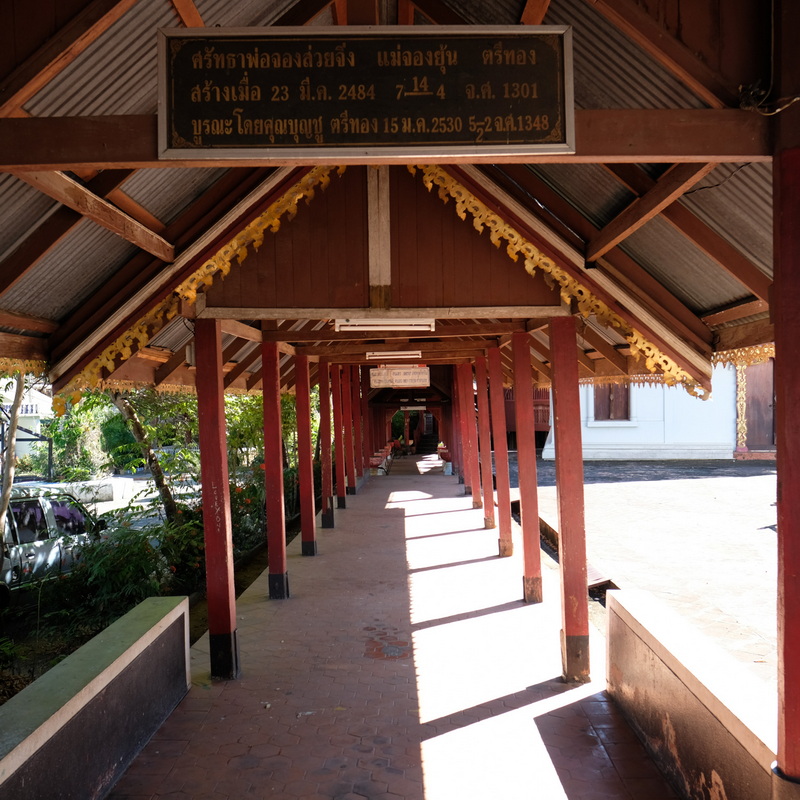
Travelers may wish to compare the temple’s decorative language with other religious landmarks in Mae Hong Son, while avoiding the assumption that every building should be interpreted in exactly the same way. Regional traditions often overlap, yet individual temples retain their own atmosphere and history. A neutral, attentive visit allows the site to speak through its design, setting, and continued use.
A useful way to explore Wat Kam Ko Thailand is to divide the visit into two moments. First, take in the overall setting from a respectful distance. Then look more closely at architectural features without entering restricted areas or interrupting worshippers. This approach creates a more considered experience than photographing only the most prominent structure. It also encourages visitors to appreciate the temple as a living place rather than a decorative backdrop.
Planning a private sightseeing journey from Chiang Mai
Travelers searching for a Private Mae Hong Son Tour From Chiang Mai are often looking for more than a fixed list of stops. The principal advantage of a private arrangement is the possibility of shaping the day around personal interests, whether those interests include temples, viewpoints, local scenery, photography, or quiet time in town. Exact inclusions vary by provider, so travelers should confirm the proposed route, duration, vehicle arrangements, and site visits before booking.
A private journey can be particularly helpful for visitors who want to give Wat Kam Ko enough attention without feeling tied to a group timetable. The temple may be one cultural stop among several, and a flexible plan allows travelers to discuss whether they prefer a short visit or a longer period for observation. It can also make it easier to adapt the day to weather, energy levels, and changing interests, without assuming that every traveler wants the same pace.
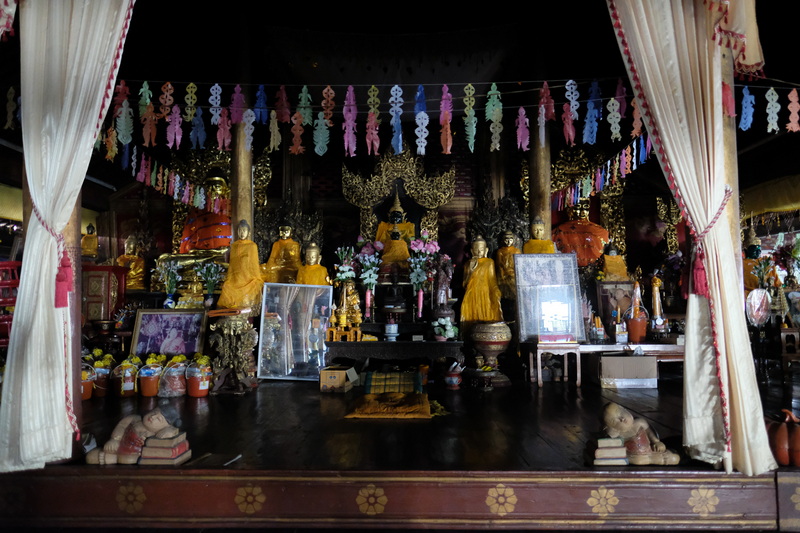
When comparing private options, ask clear questions rather than relying only on a tour title. Confirm whether the visit is designed around Mae Hong Son town, whether a local guide is included, and which nearby attractions are genuinely part of the plan. Travelers should also check what is excluded and allow realistic time for the journey from Chiang Mai. A private tour is most useful when expectations are agreed in advance and the itinerary leaves room for respectful, unhurried sightseeing.
Creating a balanced day around the temple
The strongest Sights in Mae Hong Son experiences usually combine different types of places instead of repeating the same kind of stop. Wat Kam Ko provides a cultural and architectural focus, while other locations can add lakeside scenery, historic religious landmarks, or natural warmth. This contrast gives the day a clearer rhythm and helps travelers understand that Mae Hong Son is not defined by one viewpoint or one style of attraction.
A thoughtful plan should also account for the nature of temple visits. Some travelers may want time for quiet reflection, while others may be more interested in architecture and photography. Both approaches can be appropriate when conducted with discretion. Avoid loud conversations, ask before photographing people, and follow local expectations about footwear, clothing, and access to sacred areas. These small choices help preserve the dignity of the site.
For independent visitors, it can be helpful to place Wat Kam Ko at a point in the day when attention is not rushed. For private-tour travelers, the same principle can be discussed with the driver or guide before setting out. The goal is a coherent experience: a cultural visit that connects naturally with the town and surrounding landscape, rather than a sequence of unrelated stops.
Practical reminders for a respectful visit
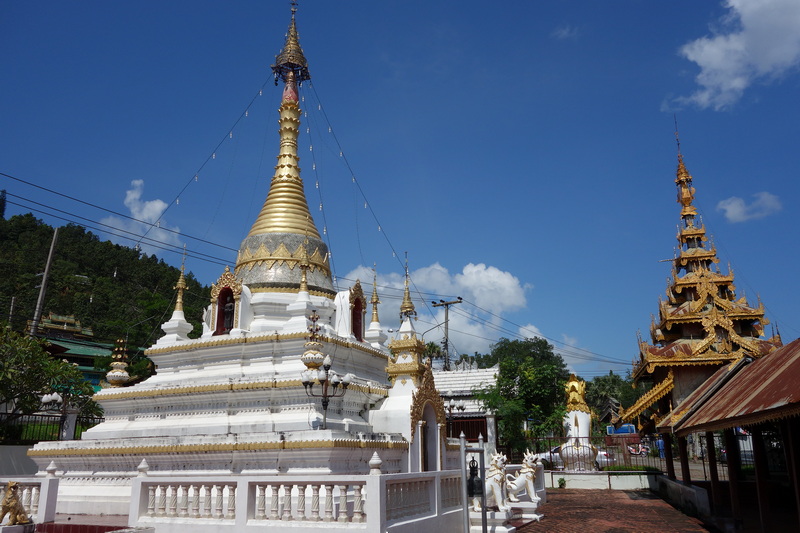
Before visiting Wat Kamko, wear clothing that is comfortable for warm weather but suitably modest for a religious setting. Light layers can be useful when moving between outdoor areas and shaded temple grounds. Comfortable footwear is also practical because sightseeing may involve walking between nearby places, and temple etiquette may require shoes to be removed in designated areas.
Keep the visit flexible because religious sites do not function like conventional museums. Worship, maintenance, ceremonies, or local activity may affect what visitors can see at a particular moment. If an area is closed or an event is taking place, observe from an appropriate distance and accept the limitation. This is part of traveling responsibly in a living cultural environment.
The best Wat Kam Ko Travel Guide advice is therefore simple: arrive with curiosity, avoid assumptions, and allow the setting to determine the pace. Notes about architecture can enrich the visit, but respectful behavior matters more than identifying every decorative feature. Travelers who approach the temple in this way are likely to leave with a clearer appreciation of Mae Hong Son’s cultural character.
Nearby Attractions
Wat Chong Kham and Wat Chong Klang
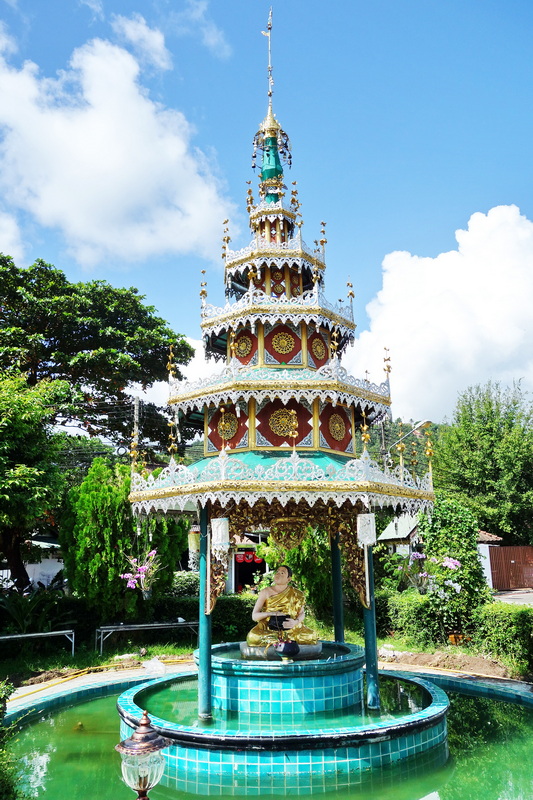
Wat Chong Kham and Wat Chong Klang provide a complementary cultural stop for visitors exploring Mae Hong Son town. Their religious setting and prominent architecture offer another opportunity to consider the region’s traditions, while the pair’s location makes them a natural addition to a temple-focused sightseeing plan. Visiting both sites alongside Wat Kam Ko creates useful contrast without requiring the day to become an exhaustive temple circuit.
Allow time to observe respectfully rather than moving immediately from one photograph to the next. Look at how the buildings relate to their surroundings, follow local etiquette, and check any visitor guidance on arrival. For a private itinerary, these temples can be discussed as a linked cultural experience with Wat Kam Ko, although the exact order and timing should remain adaptable.
Pha Bong Hot Spring
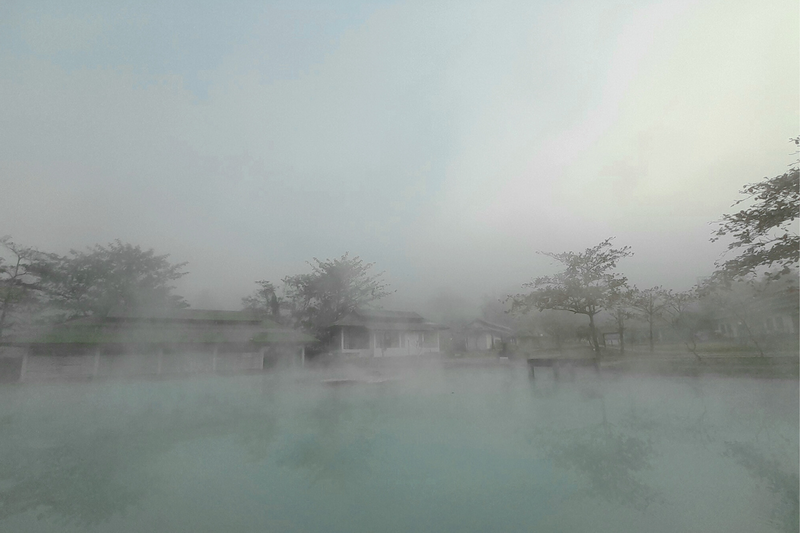
Pha Bong Hot Spring offers a change of atmosphere after time spent among Mae Hong Son’s temples. The natural setting introduces a different side of the district and can help balance a sightseeing day that has focused mainly on architecture and cultural heritage. Travelers interested in local landscapes may appreciate the opportunity to pause and experience a warmer, more relaxing environment.
Conditions and facilities can vary, so visitors should check current information locally and bring realistic expectations rather than assuming a particular service or bathing arrangement. In a private tour, the hot spring may work well as a flexible countryside stop, especially for travelers who enjoy alternating cultural visits with natural attractions. Its inclusion should be confirmed when planning the route.
Planning Your Visit
Wat Kam Ko is most rewarding when approached as part of Mae Hong Son’s living cultural landscape. Its architecture, religious setting, and position within Mueang Mae Hong Son District make it a thoughtful stop for travelers seeking more than a checklist of attractions. Combined with Wat Chong Kham and Wat Chong Klang or the contrasting setting of Pha Bong Hot Spring, it can anchor a varied day of sightseeing. Whether arranged independently or through a private journey from Chiang Mai, the visit is best shaped by patience, cultural respect, and genuine attention to place.

No comments:
Post a Comment