Karen Hilltribe Visits with Care in Northern Thailand
A respectful guide to consent, community benefit, and thoughtful planning for cultural visits in Northern Thailand
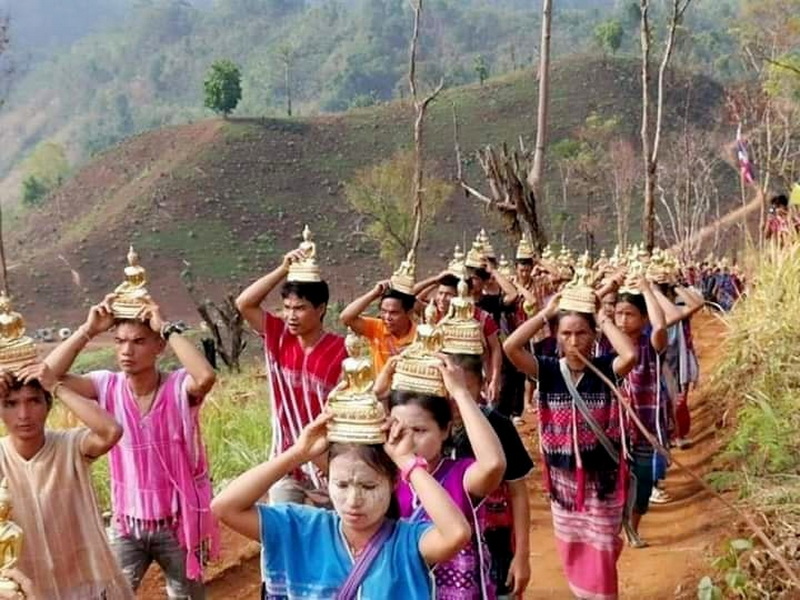
Visiting a Karen Hilltribe community in Northern Thailand can be an opportunity for cultural learning, but it should never be treated as a performance arranged solely for visitors. Karen communities are diverse, and a village visit may involve meeting residents, learning about craft traditions, observing daily activities, or hearing local perspectives. The quality of that encounter depends less on how many sights are included than on whether residents have meaningful control over participation and benefit fairly from tourism. Responsible travel begins before a booking is made. Travelers can ask who organizes the visit, how community members are involved, whether photography requires permission, and where visitor payments go. These questions help distinguish a respectful cultural experience from a hurried stop designed mainly for consumption. They also give visitors a practical way to support local livelihoods without assuming that every community wants the same type of tourism. This guide focuses on ethical choices connected with Karen visits, including the sensitive language sometimes used for Karen Long Neck communities. It explains what to look for in a responsible package, how to behave during an encounter, and how to remain curious without turning living culture into a display.
Begin with consent rather than curiosity
Ethical tourism treats a village as a home and community, not as an open-air exhibit. Residents should have a say in whether visitors are welcomed, which areas are accessible, what activities are offered, and how images or stories may be used. A responsible operator should be able to explain this process in clear terms rather than relying on vague promises about an authentic experience.
The word authentic can be misleading when it suggests that people must behave according to a visitor’s expectations. Karen culture is living and changing, and community members may combine inherited practices with contemporary education, work, technology, and religious life. Travelers should therefore avoid judging a visit by whether it appears untouched or traditional enough. Listening to people on their own terms is more respectful than searching for a staged version of rural life.
The term Karen Hill Tribe is widely used in travel discussions, but it can flatten important differences among Karen communities. Names, dialects, histories, and local priorities vary. The label Karen Long Neck is also commonly used by tourism businesses, although some people prefer more specific community or ethnic terminology. A considerate visitor follows the language used by hosts and guides, asks questions gently, and avoids treating a descriptive label as a complete explanation of identity.
Look for benefits that reach the community
Tourism is more responsible when local people help shape the visitor experience and receive a fair share of its benefits. This may involve community members serving as guides, demonstrating crafts by choice, selling their own work, or managing a visitor contribution. It may also include locally determined support for education, cultural activities, community facilities, or household income. No single model is suitable everywhere, so travelers should look for transparency rather than assume that a package is ethical because it uses positive language.
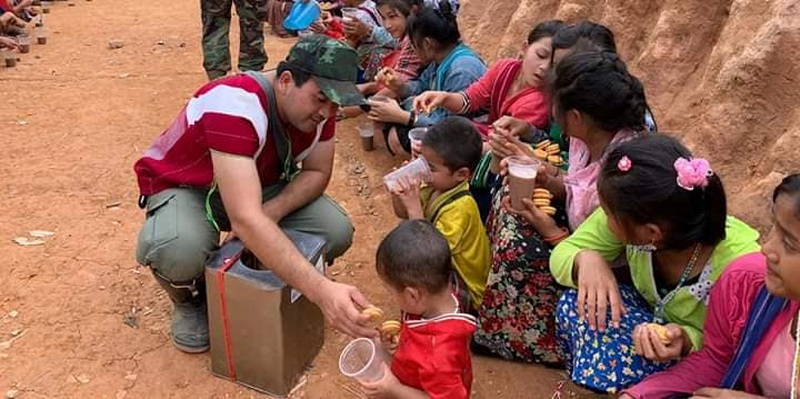
Before selecting a tour, ask whether the operator works with a named community partner, how payments are distributed, and whether residents can decline participation. It is reasonable to ask if local guides are paid directly, whether craft prices are set by makers, and how complaints are handled. A thoughtful operator should welcome these questions. Claims such as helping the village or supporting local people are difficult to evaluate when no explanation is offered.
Ethical Hill Tribe Tours Northern Thailand should be understood as a standard to investigate, not as a guarantee attached to a marketing phrase. Compare the operator’s policies, guide training, group size approach, photography rules, and explanation of community consent. Avoid businesses that promise exclusive access, encourage visitors to enter private areas, or present residents as attractions. A shorter, slower visit with clear boundaries can be more beneficial than a crowded itinerary with many stops.
Choose a package that leaves room for mutual respect
A package that includes a Karen visit should explain the cultural purpose of the encounter without making exaggerated claims. Look for descriptions that identify community-led activities, provide background about local history, and set expectations for respectful behavior. The wording should make clear that residents are people with agency, not props in a themed excursion. It should also acknowledge that access and activities may change according to community preference.
When comparing a Chiang Mai Travel Package, read beyond the headline itinerary. Ask whether the cultural visit is a meaningful part of the program or merely a rapid photo stop between other activities. Find out whether the guide will interpret local context, translate questions, and intervene if visitors behave inappropriately. A responsible package may also explain rules about photography, purchasing, dress, conversation, and the use of images after the visit.
Search terms can create confusion. A phrase such as Karen And Karen Longneck Hill Tribe Thailand may bring together communities and experiences that are not identical. Rather than judging a package by its title, examine its specific description and the operator’s relationship with the community. If an itinerary uses sensational language, promises guaranteed encounters, or describes people mainly through unusual physical characteristics, treat that as a warning sign. Responsible planning values clarity, dignity, and community choice over dramatic promotion.
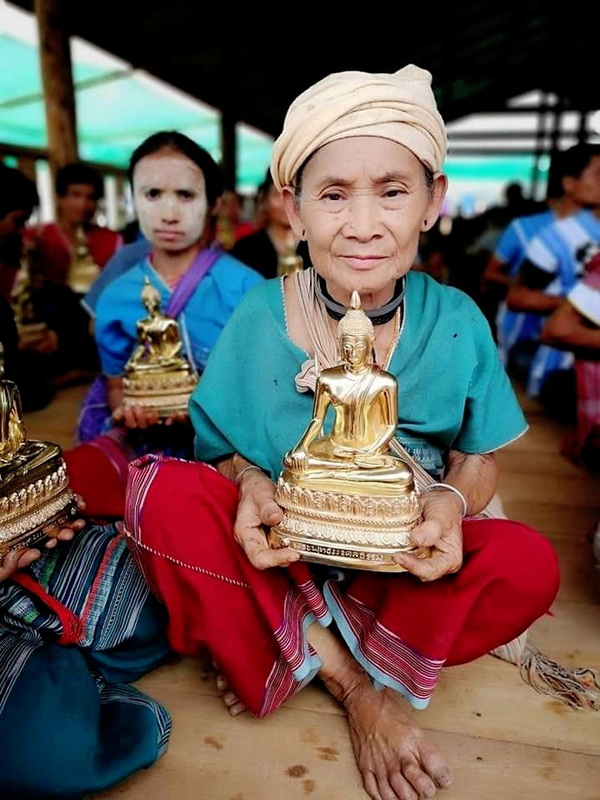
Travelers should also consider whether they are prepared for a culturally focused visit. The purpose is not to collect photographs or prove that a destination is undiscovered. It is to listen, learn, and contribute appropriately. If the available information does not answer basic questions about consent and local benefit, postponing the booking or choosing a more transparent provider is a responsible decision.
Practice respectful behavior on the day
Ask before taking any photograph, including portraits, group images, craft demonstrations, and pictures of children. A person’s presence in a public area does not automatically mean consent to be photographed. A clear refusal should end the request without persuasion. Travelers should also ask before recording sound, filming a demonstration, or sharing an image online. Consent for one photograph does not necessarily cover commercial use, editing, or publication.
Dress and behavior should reflect that a village is a lived community. Follow guidance from local hosts about appropriate clothing, restricted areas, religious spaces, and household boundaries. Do not enter a home, touch clothing or cultural objects, handle tools, or interrupt work without invitation. Speak in a normal, friendly manner rather than performing exaggerated reactions to unfamiliar customs. Questions about history, language, dress, and livelihoods can be welcome when asked with humility, but personal questions about income, migration, or identity may not be.
Purchasing can support households when it is voluntary and transparent. Buy directly from makers when possible, ask about the item’s origin, and accept the quoted price without aggressive bargaining over a small margin. Do not distribute sweets, money, or school supplies directly to children unless a community-approved system recommends it. Unplanned gifts can encourage competition, dependency, or repeated requests. If a guide explains an established community fund, follow that process instead.
Most importantly, do not assume that residents are available whenever visitors arrive. A person may be working, caring for family, studying, or simply taking private time. Observe quietly when observation is appropriate, participate only by invitation, and accept changes to the planned experience. Ethical engagement includes the possibility that a resident says no or that a planned activity is not offered.
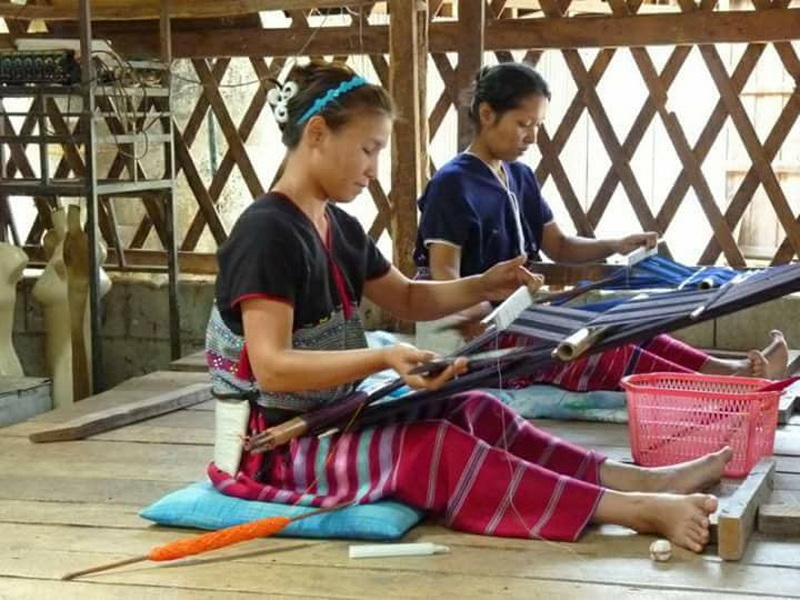
Leave with understanding, not a souvenir of people
After a visit, consider what the experience taught you about the community rather than only what it provided for your itinerary. Did local people speak for themselves? Were their answers translated with care? Did the guide explain historical and social context without reducing Karen life to hardship or spectacle? Reflection can reveal whether a tour encouraged mutual understanding or simply reproduced familiar tourism habits.
Travelers can also support ethical practice after returning home. Share photographs only when permission was granted, describe people with dignity, and avoid captions that exoticize clothing, body adornment, or daily life. If a community sells crafts, identify makers accurately rather than presenting purchases as evidence of an untouched culture. Constructive feedback to an operator can mention strong consent practices as well as problems that need attention.
A responsible Karen And Karen Longneck Hill Tribe Travel Guide should leave space for complexity. Some visitors may encounter traditions connected with long-neck adornment, while others may meet Karen families whose lives are centered on farming, education, commerce, faith, or other work. No single visit can represent every Karen community. The most ethical response is to resist sweeping conclusions and recognize each encounter as locally specific.
This approach may feel less dramatic than a tightly staged attraction, but it creates a more honest relationship between traveler and host. Cultural tourism becomes more defensible when residents retain control, visitors understand boundaries, and financial benefits are visible rather than assumed.
Planning Your Visit
An ethical Karen Hilltribe visit is built on consent, transparency, and patience. Choose an operator that explains community involvement, ask where payments go, and treat photography and conversation as privileges rather than entitlements. During the visit, follow local guidance, purchase thoughtfully, and accept that residents may set limits or change the plan. These choices turn a cultural excursion from passive observation into a more responsible exchange. The goal is not to find a perfect or untouched village, but to support encounters in which Karen communities retain dignity, voice, and meaningful control over how they welcome visitors.

No comments:
Post a Comment