Sightseeing and Visual Appeal of Pai Memorial Bridge
A thoughtful visual visit through weathered steel, river scenery, mountain light, and nearby Mae Hong Son highlights
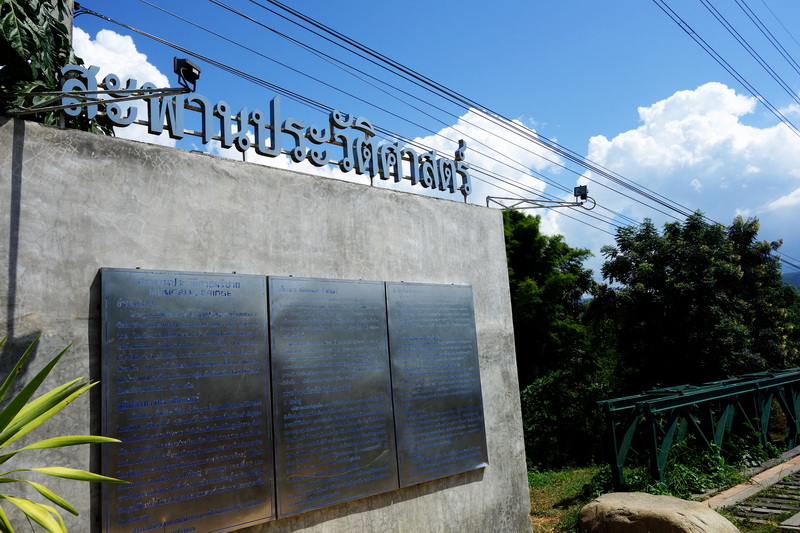
In Pai District, Mae Hong Son, Pai Memorial Bridge presents a compact sightseeing stop with an atmosphere that changes according to light, weather, and the movement of the surrounding landscape. The bridge is modest in scale, yet its aged structure, broad views, and historical associations give it a visual presence that rewards a slower visit. Rather than treating it as a quick photograph alone, visitors can read the crossing as part of the countryside around Pai. Known through names including Tha Pai Memorial Bridge and Pai Historical Bridge, the landmark connects visual interest with remembrance. Its World War II history deserves a calm and respectful approach, while the setting invites attention to the river, vegetation, open sky, and distant hills. For a first-time international visitor, this combination makes the bridge an accessible introduction to the scenic character of Mae Hong Son Province. The most satisfying experience is often observational: notice how the metal lines frame the landscape, how the river corridor softens the industrial form, and how nearby natural and cultural places extend the day. A visitor imagining a Private Mae Hong Son Tour From Chiang Mai can use the bridge as one visual chapter in a broader regional journey, without reducing the site to a rushed checklist.
A Bridge Framed by the Pai Landscape
The first visual impression of Pai Memorial Bridge comes from contrast. The bridge’s dark, weathered framework stands against the softer colors of the river corridor and the green landscape around Pai. Straight beams and repeated structural lines create a strong pattern, while trees, water, and open views keep the scene from feeling severe. This balance gives photographers and casual sightseers several ways to look at the same place.
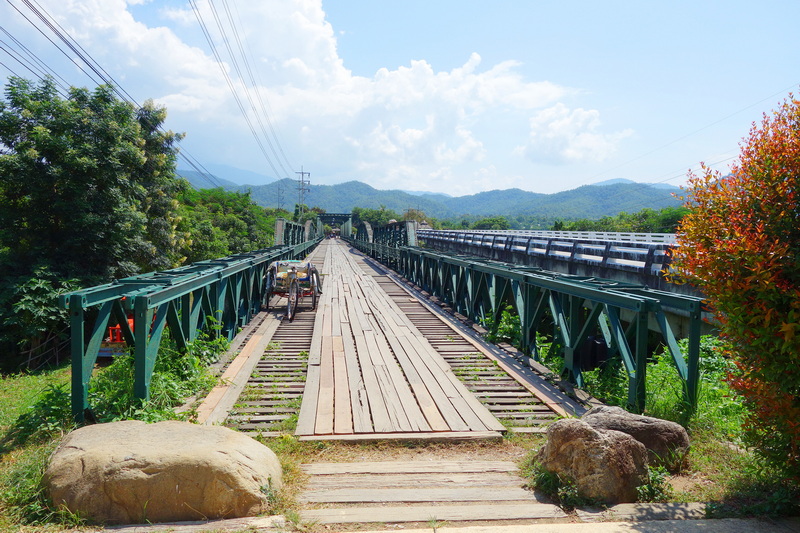
Walking toward the bridge allows the structure to reveal itself gradually. From a distance, it can appear as a narrow horizontal mark within the landscape. Closer to the entrance, the details become more noticeable: the geometry of the supports, the texture created by age and use, and the way the surface leads the eye toward the opposite side. Looking along the length of the crossing often produces a more compelling composition than standing directly in the center.
The surrounding scenery is especially important to the experience. The bridge is not an isolated object in a city setting; it belongs to a quieter rural environment where the horizon, vegetation, and river help define its character. Morning and late afternoon can bring gentler shadows and warmer tones, although the visual mood remains dependent on the season and the day’s conditions. Visitors do not need specialized equipment to appreciate the scene. Careful attention to framing, reflection, and scale can turn a simple stop into one of the memorable Sights in Mae Hong Son.
Seeing History Without Losing Its Meaning
Tha Pai World War II Memorial Bridge is also described as the World War II Memorial Bridge Pai, names that point to its historical association rather than only its appearance. The bridge is remembered in connection with wartime infrastructure in the region. That background gives the crossing a significance beyond its visual qualities and encourages visitors to pause before treating it simply as a scenic backdrop.
A respectful visit does not require dramatic interpretation. The most appropriate approach is to observe the structure, acknowledge its past, and recognize that wartime history involved disruption and hardship for communities as well as military activity. Photographs can still be part of the visit, but a quiet manner and awareness of other people help preserve the dignity of the memorial setting.
The bridge’s aged appearance contributes to its historical atmosphere, yet visitors should avoid assuming that every visible detail tells a complete story. Established information and local interpretation are more reliable than imaginative claims about particular marks or sections of the structure. For travelers interested in history, the visual experience works best when curiosity is paired with restraint. The metal framework becomes a prompt for reflection, not an invitation to sensationalize conflict.
This is one reason the landmark fits naturally into a wider exploration of Mae Hong Son. The province contains landscapes and cultural places where history is encountered through setting, memory, and continued local life. At Pai Memorial Bridge, the river and hills do not erase the past; they place it within a living environment that visitors are asked to view thoughtfully.
Small Details That Improve the Sightseeing Experience
A useful way to appreciate the bridge is to change position rather than hurry across it. Begin with a view from outside the main structure, where the full silhouette can be understood against the landscape. Then move closer to examine the repeated beams and the relationship between the walkway and the river. Looking back after crossing can offer a different perspective, particularly when the surrounding hills become part of the frame.
The bridge also rewards attention to visual details that are easy to overlook. Notice the rhythm of the metal sections, the weathered surfaces, the spaces between supports, and the way daylight passes through the framework. These elements create lines, shadows, and openings that make the landmark interesting even when the wider scenery is partly obscured. On a cloudy day, muted colors can emphasize texture; under brighter conditions, the open sky can make the structure appear more graphic.
Because the site is associated with remembrance, sightseeing should remain considerate. Avoid blocking the crossing for extended photography, and allow space for people who are simply passing through or quietly observing. Keeping voices moderate and leaving the area clean are small actions that support both the memorial character and the surrounding environment. A good photograph should record the place without overwhelming the experience of being there.
For independent travelers, these habits create a flexible visit that does not depend on a fixed schedule or a commercial itinerary. A private tour perspective can be useful as a mental framework: give the bridge enough time for observation, connect its story with the landscape, and then continue toward nearby places that offer a different visual rhythm. The point is not to imply a confirmed service, but to imagine how a more personal and unhurried day might unfold.
The Bridge as a Gateway to Mae Hong Son Scenery
Pai Memorial Bridge can be understood as a meeting point between built heritage and natural scenery. Its design is functional and linear, while the landscape around it is shaped by water, vegetation, weather, and mountain geography. This contrast helps explain why the landmark remains visually appealing to travelers who may not usually seek out historical sites. It offers an immediate image, but it also encourages closer looking.
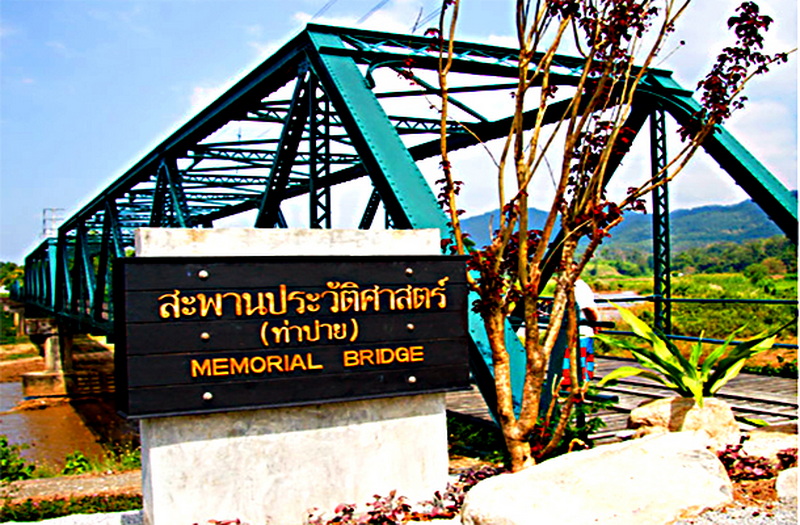
Within the broader Sights in Mae Hong Son, the bridge has a distinctive role. It is neither a grand temple nor a dramatic waterfall, and its attraction depends on atmosphere as much as scale. The experience is made from quiet elements: the sound and presence of the river, the changing light on the framework, the open feeling around the crossing, and the knowledge that the structure carries a difficult historical memory.
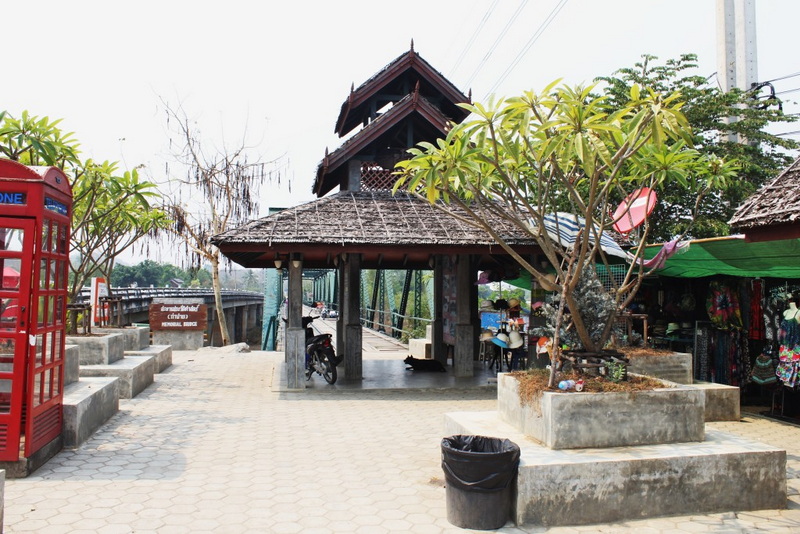
A visit can therefore be shaped around visual variety. The bridge provides geometric lines and heritage character, nearby hot springs offer a more sensory natural setting, and a hilltop temple introduces views and cultural atmosphere. Moving between these kinds of places helps a traveler notice how varied Pai District can be without expecting every stop to deliver the same kind of excitement.
Travelers considering a Private Mae Hong Son Tour From Chiang Mai may find this perspective helpful when imagining the region as a sequence of meaningful pauses rather than a collection of isolated attractions. The bridge can serve as a visual anchor, while the surrounding sites add water, elevation, greenery, and spiritual atmosphere. Any actual route or timing would depend on local conditions and personal arrangements, but the sightseeing logic is simple: allow contrasts between places to enrich the day.
How to Leave With a Fuller Impression
The strongest memory of the bridge may not be a single landmark photograph. It may be the combination of several impressions: the structure narrowing toward the far bank, the landscape opening beyond the rails, and the awareness that an ordinary-looking crossing has a history worth acknowledging. Giving these impressions time to settle can make the visit feel more substantial than its short duration might suggest.
Visitors can also use the surroundings to practice a slower form of travel. Instead of immediately moving on after taking a picture, look for changes in color and sound, observe how people share the space, and notice which views feel most balanced. This kind of attention is accessible to families, solo travelers, and photography enthusiasts alike. It turns sightseeing into an active way of understanding place rather than simply collecting images.
The bridge is best appreciated with realistic expectations. It is not a large monument or an elaborate attraction with a long list of facilities. Its appeal lies in its setting, recognizable structure, and historical meaning. Those qualities are enough when approached with patience. In this restrained scale, Pai Memorial Bridge offers a clear example of how a regional landmark can be visually powerful without being overwhelming.
Nearby Attractions
Tha Pai Hot Spring
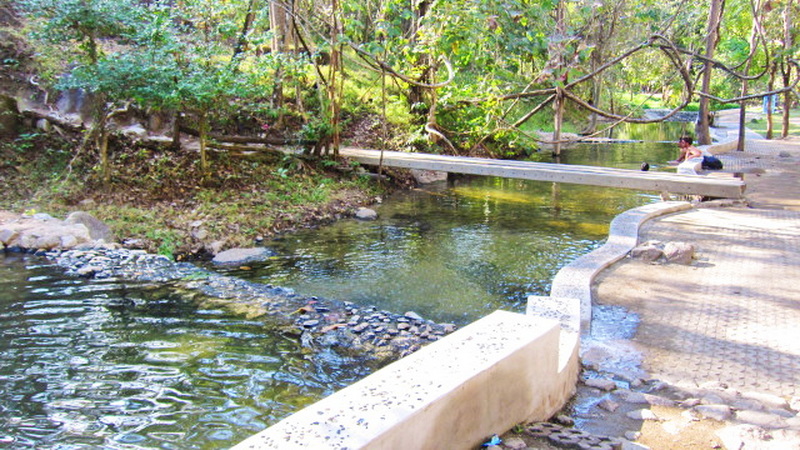
Tha Pai Hot Spring complements the bridge with a very different natural atmosphere. Where the memorial crossing is defined by metal lines and historical reflection, the hot spring invites attention to warmth, water, forest, and the gradual movement of the landscape. The setting can feel more enclosed and sensory, with vegetation shaping the view and the natural environment becoming the main subject.
Together, the two places create a useful sightseeing contrast. After studying the bridge’s geometry and wartime associations, visitors can shift their attention toward geological and ecological features at the spring. The change encourages a broader appreciation of Pai District, where human history and natural processes exist close together. Respect for the site includes following local guidance, protecting the surroundings, and keeping the visit calm.
Wat Phra That Mae Yen
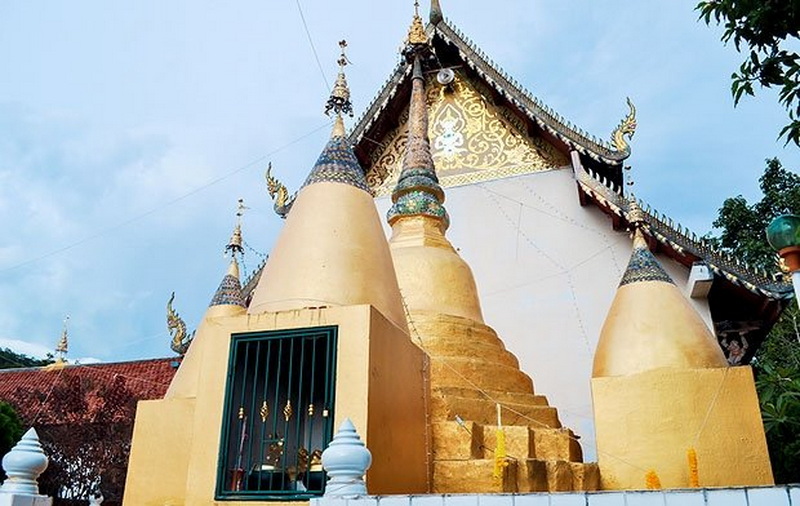
Wat Phra That Mae Yen offers another visual change through its elevated setting and cultural character. The temple is associated with a hill above Pai, where the higher viewpoint can open broad perspectives across the town and surrounding countryside. From this kind of vantage, the landscape becomes a layered scene of roofs, fields, trees, and distant hills rather than a close view of river and bridge.
The temple should be approached as a place of religious significance, not only as a viewpoint. Modest clothing, quiet behavior, and sensitivity toward worshippers help maintain a respectful atmosphere. Seen alongside Pai Memorial Bridge, the temple adds elevation and spiritual context to a day of sightseeing. One place draws attention to a remembered wartime past; the other connects the visitor with living local faith and the wider landscape.
Planning Your Visit
Pai Memorial Bridge brings together structure, scenery, and remembrance in a way that feels quietly distinctive. Its weathered lines are photogenic, but the deeper appeal comes from seeing the crossing within its river landscape and acknowledging the history it carries. With Tha Pai Hot Spring and Wat Phra That Mae Yen nearby, the visit can become a varied sequence of natural, cultural, and scenic impressions. Approach the bridge patiently, observe respectfully, and let the landscape provide the final frame.

No comments:
Post a Comment