Patara Elephant Farm Family Guide for No Riding Visits
A practical family guide to judging child readiness, comfort, supervision, and nearby activity choices in Hang Dong District
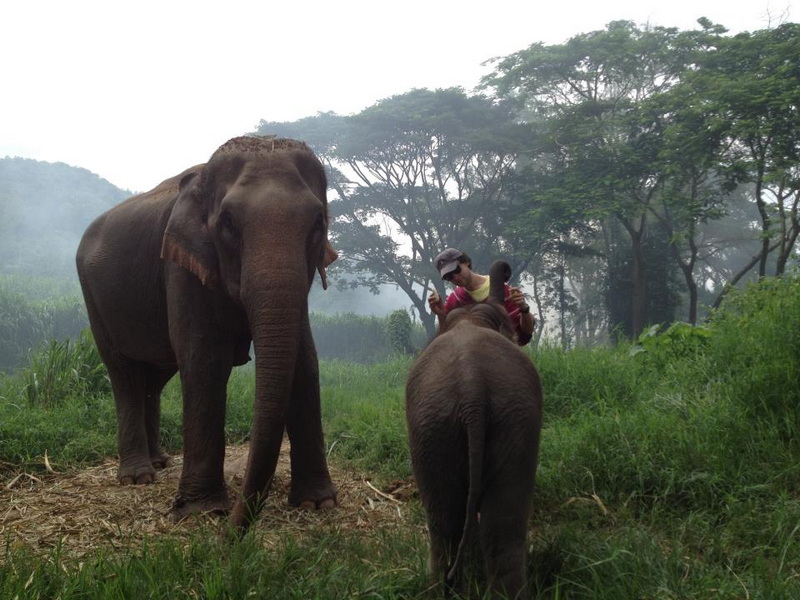
Your child may be fascinated by elephants but still dislike loud sounds, unfamiliar animals, muddy ground, or situations where adults cannot stay close. That makes the first question less about whether an elephant visit sounds exciting and more about whether the experience matches your child’s temperament. At Patara Elephant Farm in Hang Dong District, Chiang Mai, families can consider a no-riding format as one option for meeting elephants without making riding the central activity. The decision deserves a personal approach: a confident eight-year-old, a cautious preschooler, and a toddler with a short attention span will not experience the same visit in the same way. This guide uses a family-planning test rather than a general attraction list. It looks at age, sensory comfort, attention, supervision, and energy before considering one additional outdoor activity. The aim is to help parents decide whether a No Riding Elephant Tour Chiang Mai option fits their group, and whether adding another experience would enrich the day or simply make it harder for children to cope.
Start with the child, not the attraction
Age is only a rough guide. A child’s confidence around large animals matters more than a birthday threshold. Some young children are happy watching from a respectful distance, while older children may feel anxious when an elephant moves, vocalizes, or approaches. Before choosing a visit, ask what your child normally does around dogs, horses, insects, water, and unfamiliar adults. Those everyday reactions can reveal more than a promotional description.
A no-riding visit may suit families who want contact with the setting without placing a child on an animal. It can also suit a child who enjoys practical learning, watching adults work, or noticing details that are easy to miss in a fast-moving attraction. However, no riding does not mean no sensory challenge. Elephants are large, active animals, and outdoor conditions can include heat, uneven surfaces, mud, strong smells, and sudden movement.
For toddlers, the most realistic goal may be a short period of interest rather than sustained participation. Older children may be ready to listen, ask questions, and follow boundaries for longer. Parents should treat these differences as planning information, not as a test of courage.
Check the sensory profile of your day
Families often prepare for weather but forget sound and texture. A child who dislikes splashing water may also dislike wet ground. A child who becomes overwhelmed by animal noises may need extra space and a clear explanation before approaching. Consider hats, comfortable clothing, water, and a change of clothes as simple comfort measures, while recognizing that no packing list can remove every unfamiliar sensation.
Give children a straightforward preview without promising a perfect experience. Explain that they may see very large animals, stay beside an adult, wait while others receive guidance, and choose observation over touching if they feel unsure. This language gives a child permission to pause. It also prevents the common family mistake of treating hesitation as misbehavior.
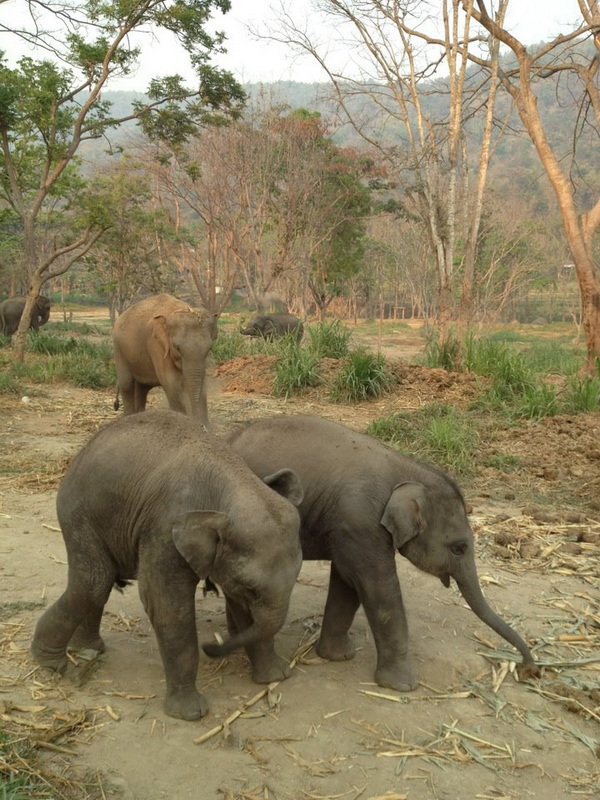
Parents should decide in advance what signals mean ‘we need a break.’ A tired child may become noisy, clingy, silent, or unusually argumentative. Agreeing on a pause plan helps adults respond early rather than asking a child to endure discomfort for the sake of completing an activity.
Define what participation means for each child
The phrase Patara Elephant Training can sound demanding to a family imagining formal lessons, but parents should focus on the child’s actual role in the visit. Participation might mean listening to an explanation, observing feeding or care-related tasks where permitted, noticing body language, or asking a question. It does not need to mean close contact or performing a particular action.
A useful family rule is that adults manage proximity while children manage their comfort. Children can be invited to watch first, move closer later, or remain beside a parent. This keeps the experience voluntary without suggesting that elephants are toys. It also gives siblings with different confidence levels a fairer experience.
When reading Patara Elephant reviews, look for practical comments about children’s attention, walking tolerance, heat, noise, and the amount of adult supervision required. Reviews can reveal whether families found the atmosphere manageable, but they cannot predict your child’s reaction or replace checking current information before making a decision.
Build a day around recovery time
A family outing has several kinds of energy: physical effort, concentration, social interaction, and emotional adjustment. An elephant visit may appear gentle while still requiring children to listen, watch carefully, adapt to unfamiliar surroundings, and remain near adults. That mental load counts when deciding what comes next.
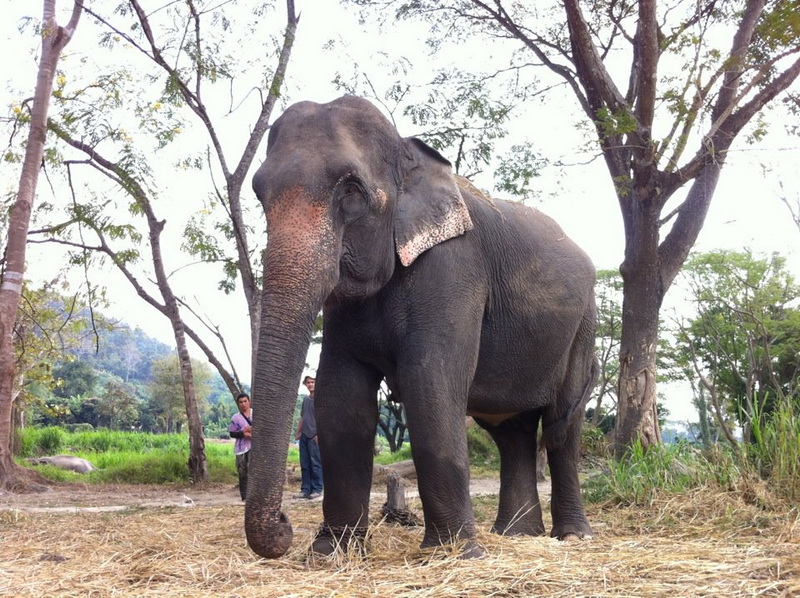
Instead of filling every open part of the day, identify one main experience and one optional activity. Leave room for food, shade, rest, and the possibility that a child will want to talk about what happened. If the first activity runs long or feels intense, the optional plan can be dropped without making the day feel unsuccessful.
This approach is especially useful for Family Adventure Tours Chiang Mai plans involving children of different ages. Older siblings may want movement and novelty, while younger ones may need repetition and downtime. A flexible plan allows the family to share the main experience without forcing everyone to maintain the same pace afterward.
Choose one companion activity by energy level
A simple comparison can clarify whether another outing belongs on the same day. A no-riding elephant visit generally centers on attention, guided participation, and animal awareness. Its main demands are emotional readiness, listening, and staying close to adults. It may suit a child who prefers observation but still wants a meaningful outdoor experience.
Chiang Mai Horse Riding Adventure is a different choice because it introduces another animal, a seated activity, and a stronger expectation of following instructions. It may appeal to confident children who enjoy movement, but it can compete with an elephant-focused visit if a child is nervous around animals or becomes tired after sustained concentration. Parents should judge it by supervision needs and the child’s previous experience, not simply by the word ‘adventure.’
Ob Khan National Park offers a nature setting rather than a managed animal encounter. It may provide more freedom to notice scenery and move at a family pace, although outdoor walking, heat, uneven ground, and changing energy levels still matter. For a young family, it can complement an elephant visit when children need open-air exploration; it may conflict with the day when rest, shade, or minimal transitions are more important.
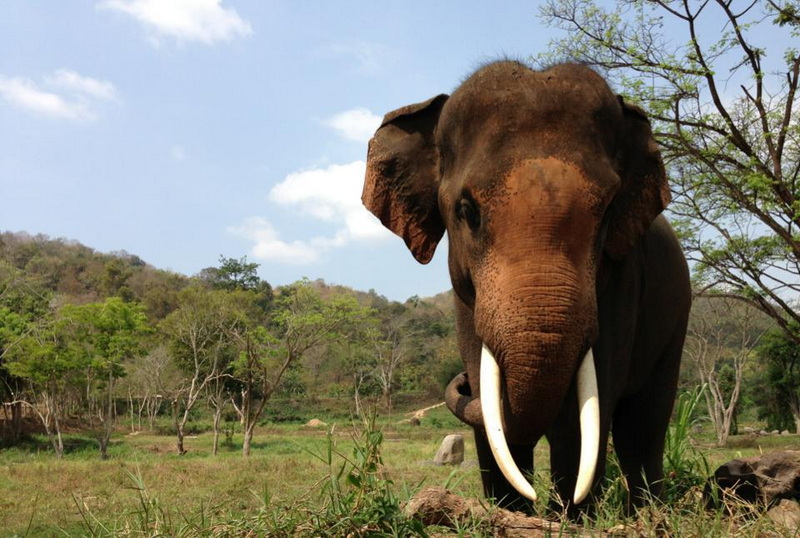
The comparison is not a recommendation to combine all three. Think of them as alternatives with different demands: animal contact and concentration, structured movement and supervision, or nature observation and variable walking. Choosing one additional activity is often easier for parents and more enjoyable for children than collecting every possible experience.
Use a five-question suitability check
Before confirming a no-riding visit, ask whether your child can remain near an adult when excited or uncertain. Next, consider whether they can cope with outdoor heat, unfamiliar sounds, and waiting. Then ask whether the family is comfortable with an experience where observation may be more important than constant entertainment. These questions help separate genuine interest from pressure created by an itinerary.
Also check whether siblings need different versions of the day. One child may want to ask questions while another watches silently. A family plan works better when both responses are accepted. Adults should be ready to model calm behavior, follow current guidance from staff, and avoid encouraging children to chase, crowd, tease, or demand contact from an animal.
Finally, consider the family’s reason for going. If the goal is a photograph, children may feel pressure to perform. If the goal is curiosity and shared time, a brief observation can still count as a successful visit. That distinction keeps expectations realistic and supports a more considerate relationship with the animals and the people caring for them.
Nearby Attractions
Chiang Mai Horse Riding Adventure
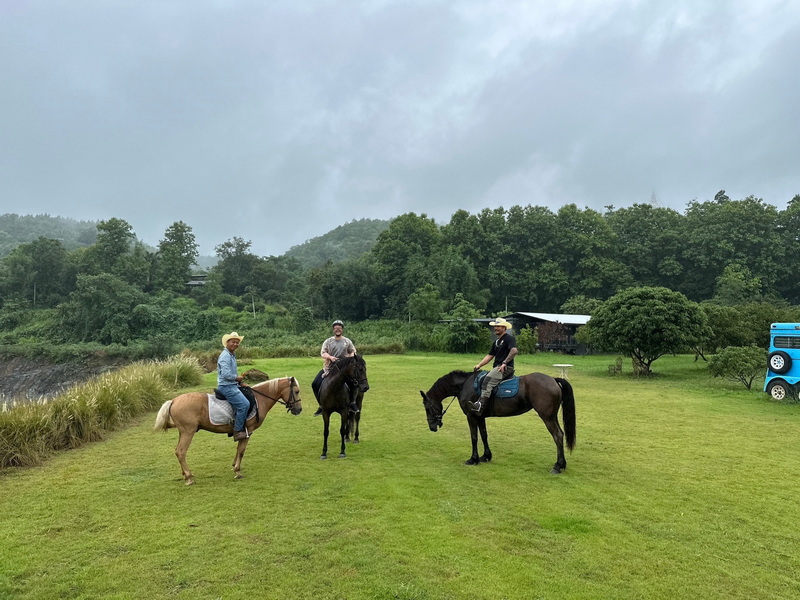
Consider this option when your children are comfortable with structured animal activity, can follow close supervision, and still have energy for a more active experience. It is less suitable as an automatic second stop after an emotionally demanding visit.
Ob Khan National Park
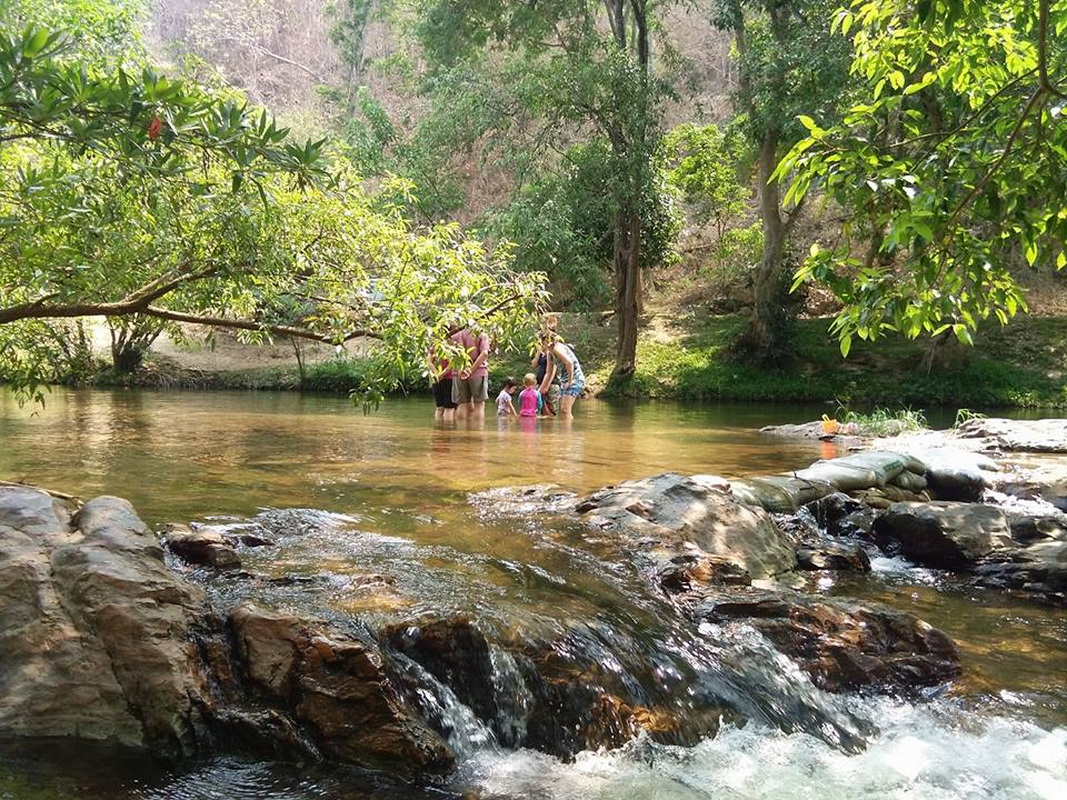
Consider this option when your family would prefer scenery, outdoor movement, and a less animal-centered setting. Check the children’s walking tolerance and need for rest before treating it as a companion activity.
Planning Your Visit
A Patara Elephant Farm visit is probably a good fit when your child is curious about elephants, can stay near an adult, accepts the possibility of watching rather than touching, and manages outdoor conditions reasonably well. It may be better postponed or simplified when a child is overtired, highly sensitive to animal sounds, unable to pause safely, or being pushed by an adult’s expectations. If the visit passes that test, choose one companion activity according to energy and supervision needs: movement, nature, or no second outing at all. The strongest plan is the one your children can participate in comfortably, with adults prepared to change course when their signals show that enough is enough.

No comments:
Post a Comment