Chiang Mai Monkey School and the Meaning of a Mae Rim Animal Visit
A respectful look at monkey demonstrations, Chiang Mai zoo attractions, tours, and complementary Mae Rim experiences
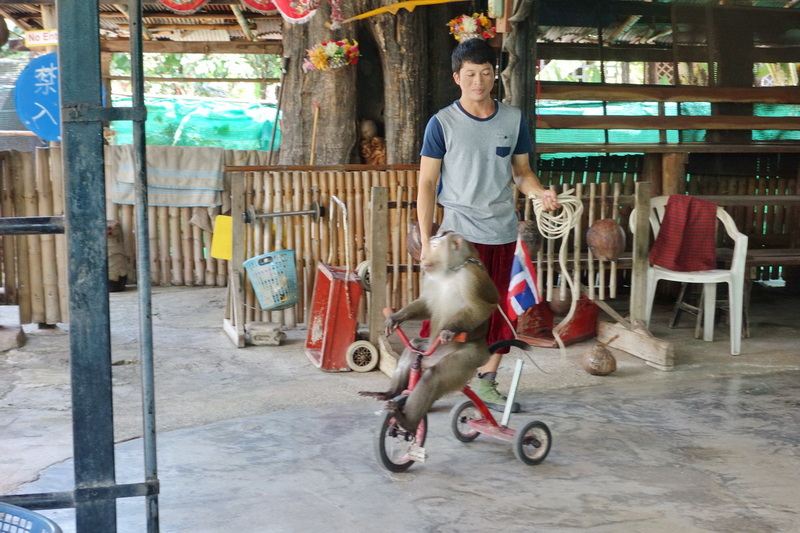
In Mae Rim District, Chiang Mai, animal attractions sit within a green northern landscape of gardens, farms, and low mountain views. The Chiang Mai Monkey School is known for demonstrations involving trained monkeys, making it a distinctive stop for travelers curious about the relationship between people, animals, work, and entertainment in Thailand. A visit is best approached as an opportunity to observe carefully rather than simply consume a performance. The Chiang Mai Monkey Show is usually the central point of interest, but the wider value of the visit comes from its context. Travelers can compare this experience with other Zoo Attractions Chiang Mai and consider how different venues present wildlife, domestic animals, and local environments. The area also works well as part of a broader Chiangmai Tour, especially when paired with nearby nature-focused attractions. This overview explains what makes the Monkey Show Mae Rim notable, how it fits into the region’s tourism landscape, and how to plan a thoughtful visit without relying on unconfirmed schedules or package promises. It also introduces Chiang Mai Orchid Farms and Mae Rim Elephant Home, two nearby experiences that can add botanical and animal-welfare perspectives to a day around Mae Rim.
What Makes the Monkey Show at Mae Rim Distinctive
The distinctive feature of the Chiang Mai Monkey School is the visible training relationship between handlers and monkeys. Demonstrations may show animals responding to cues or performing learned actions, presenting a form of animal-based entertainment that differs from simply viewing wildlife in an enclosure. For a first-time visitor, this can raise questions about communication, training methods, animal temperament, and the boundaries between education and spectacle.
Thailand has a long history of working relationships between people and animals, although practices vary by region, occupation, and period. In parts of Southeast Asia, monkeys have been associated with agricultural labor, particularly the collection of coconuts. That background helps explain why trained-monkey displays exist, but it should not be used to romanticize every performance or assume that a historical practice automatically makes a modern attraction ethical.
A responsible visitor can watch for signs that animals have access to shade, water, rest, and calm handling, while avoiding conclusions based on a brief observation alone. It is also considerate not to shout, tease, touch, or use flash photography when these actions might disturb the animals. The most respectful approach combines curiosity with restraint: observe the presentation, listen to the explanation, and remember that the monkeys are living beings rather than props.
How It Fits Among Zoo Attractions Chiang Mai
Chiang Mai offers a broad collection of animal-related experiences, from conventional zoo settings to insect displays, elephant centers, farms, and small wildlife attractions. These Zoos in Chiang Mai and surrounding districts do not all serve the same purpose. Some emphasize conservation or natural history, some focus on close encounters, and others present rural livelihoods alongside animals. Comparing their purposes can make a trip more informative than treating every venue as interchangeable.
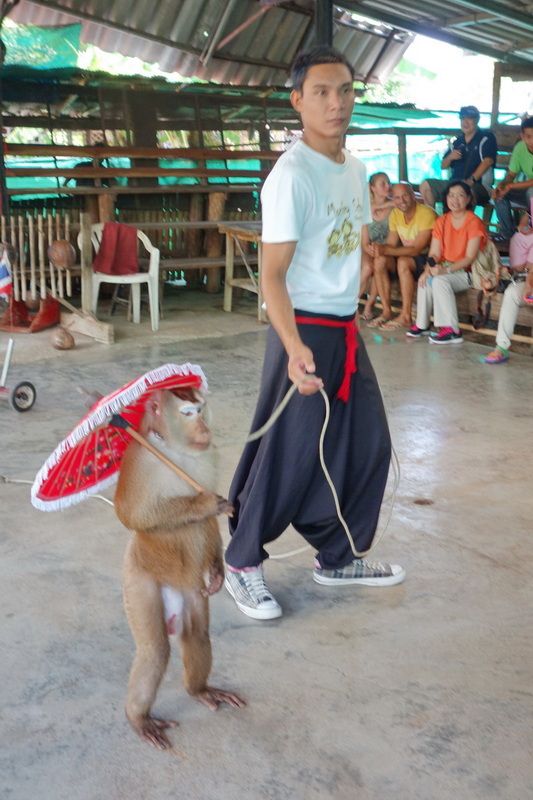
The Monkey School belongs to the category of attractions built around a guided animal demonstration. Its appeal is concentrated and specific: visitors come to see trained behavior and learn, at least in broad terms, about the relationship between handlers and monkeys. By contrast, a zoo may offer a wider survey of species, habitats, and interpretation, while a farm may emphasize food production, agriculture, or domestic animals. Understanding this difference helps travelers choose experiences that match their interests.
The setting also matters. Mae Rim is outside the dense center of Chiang Mai and is associated with a greener, more open tourism corridor. Travel through the district can reveal roadside gardens, cultivated land, and views toward the hills. The landscape provides useful context for thinking about how northern Thailand’s attractions combine nature, commerce, culture, and recreation. A visit therefore works best when treated as one element in a regional day rather than an isolated photo opportunity.
Building a Chiangmai Tour Around Mae Rim
A Chiangmai Tour that includes the Monkey School should allow room for a slower pace. Instead of measuring the day only by the number of stops, consider how much time is needed to travel between attractions, pause for food, and reflect on what you have seen. Mae Rim experiences can vary in character, so a route that balances an animal demonstration with plants or landscape may feel more coherent than a schedule packed with similar encounters.
Before setting out, confirm current visitor information through the attraction or a reputable local provider. Opening arrangements, performance times, transport options, and visitor policies can change, and this article does not assume a fixed schedule. Travelers using a private vehicle, taxi, or organized excursion should clarify the meeting point and the amount of time allocated at each stop. Those details are especially important when several attractions are being combined.
A good visitor plan also includes practical sensitivity. Wear comfortable clothing suitable for a warm outdoor environment, carry drinking water, and protect yourself from the sun without creating distractions around animals. Ask before taking close-up photographs, follow staff instructions, and avoid offering food unless it is explicitly permitted. Families can prepare children by explaining that animals may not behave on command and that quiet observation is part of responsible tourism.
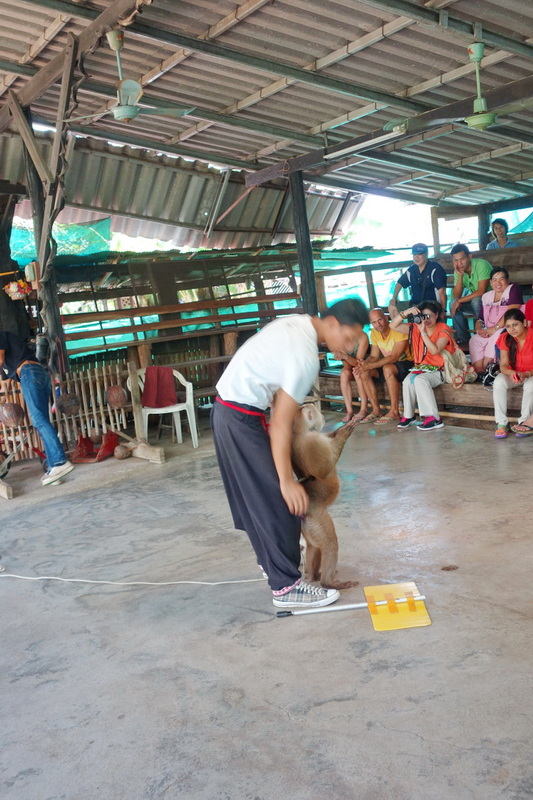
For independent travelers, the area can be approached as a cultural and environmental learning route rather than a checklist. For those joining a wider Chiang Mai day trip, the key question is whether the itinerary leaves enough time to understand each stop. A thoughtful tour should make space for interpretation and respectful behavior, not merely rush visitors from one show to the next.
Questions to Consider Before and During a Visit
Animal attractions deserve more than a simple judgment based on whether a show looks entertaining. Visitors can consider how animals are housed, whether their behavior appears relaxed or distressed, how handlers interact with them, and whether educational information is provided. These observations cannot establish every aspect of an attraction’s standards, but they encourage a more responsible and informed travel habit.
The Chiang Mai Monkey School Visitor Guide perspective is therefore less about promising a particular experience and more about helping travelers arrive with appropriate expectations. A monkey demonstration is a designed presentation, not a window into completely natural behavior. The animals have been trained, and the audience’s presence is part of the environment. Keeping that distinction clear prevents visitors from confusing performance with wildlife observation.
Cultural respect matters as well. The attraction should not be framed as proof that local people are unusual or that animals exist for foreign amusement. Instead, it can be understood within the wider history of work, training, tourism, and changing public attitudes toward animal welfare. Travelers may have different ethical boundaries, and choosing not to attend, leaving early, or supporting only attractions whose practices align with their values are all legitimate decisions.
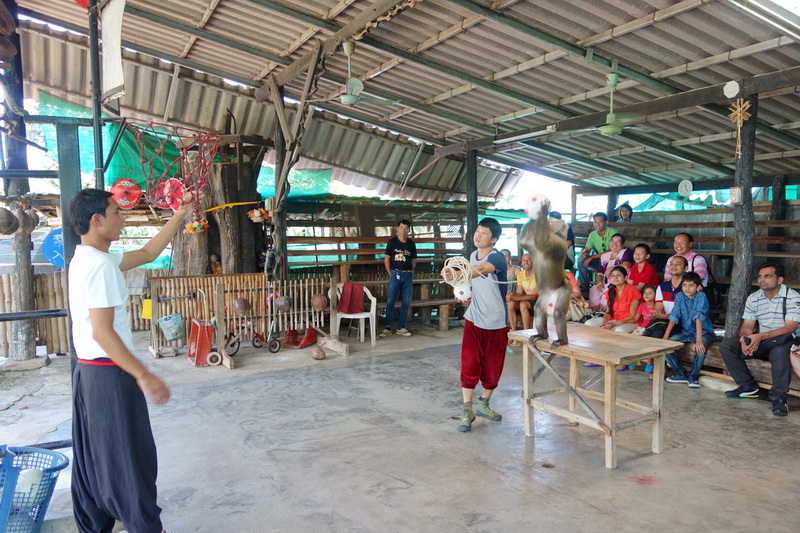
If the visit raises concerns, describe them accurately and without sensational language. Avoid touching animals, encouraging unsafe tricks, or rewarding behavior that appears harmful. Responsible tourism is not only about finding perfect attractions; it is also about making careful choices, asking respectful questions, and recognizing that entertainment should not erase the welfare of the animals involved.
Why a Broader Mae Rim Day Adds Meaning
The strongest reason to combine the Monkey School with other Mae Rim experiences is contrast. A performance focuses attention on learned behavior and human direction, while a garden or elephant center can invite different questions about habitat, care, agriculture, and conservation. Moving between these settings helps visitors see that the region’s attractions represent several kinds of contact between people, animals, and the natural world.
This broader perspective is particularly useful for travelers interested in the cultural side of Chiang Mai. Northern Thailand is not only a collection of scenic backdrops; it is a living region where tourism intersects with local businesses, rural landscapes, working traditions, and environmental concerns. Visitors who slow down and notice those connections are more likely to leave with appreciation rather than a series of disconnected images.
The experience can also encourage a more informed approach to future animal visits. After seeing a trained-animal presentation, travelers may look more carefully at interpretive materials, enclosure design, staff behavior, and opportunities for animals to retreat from public view. Those habits apply across Chiang Mai’s animal attractions and beyond, making a single visit part of a longer process of learning how tourism affects living creatures.
Nearby Attractions
Chiang Mai Orchid Farms
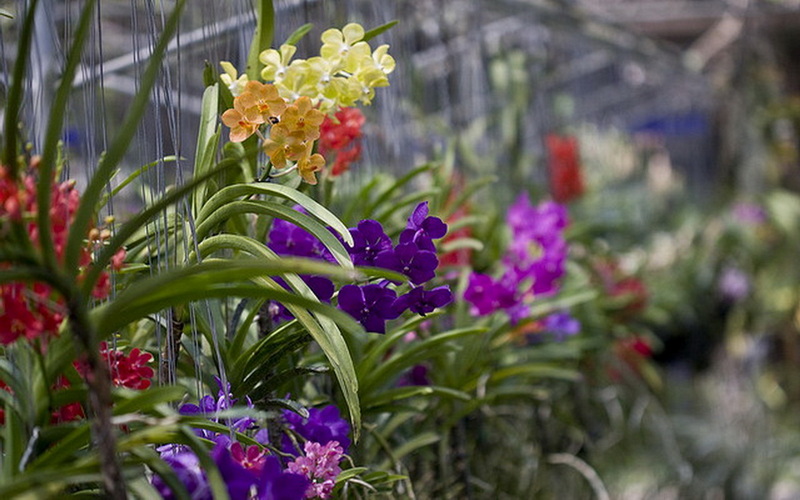
Chiang Mai Orchid Farms offer a gentler botanical counterpoint to the energy of a monkey demonstration. Orchid displays can introduce visitors to the variety, color, structure, and cultivation of these plants, many of which are associated with Thailand’s tropical and subtropical environments. The experience is primarily about observation and horticulture, making it suitable for travelers who want a quieter part of a Mae Rim route.
A farm visit can also deepen awareness of the region’s relationship with plants. Rather than seeing northern Thailand only through animal attractions, travelers can consider cultivation, nursery work, pollination, and the commercial importance of ornamental plants. When combined with the Monkey School, the farm creates a more balanced day that includes both animal-related tourism and a living landscape.
Mae Rim Elephant Home
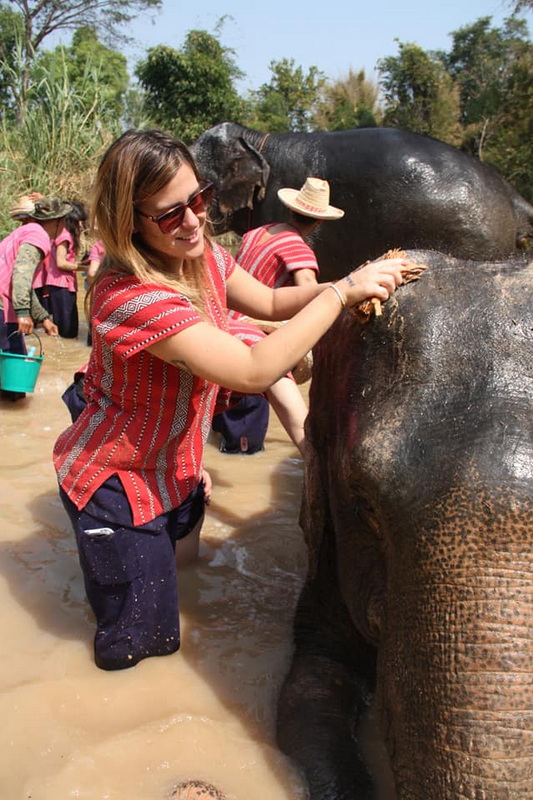
Mae Rim Elephant Home provides another opportunity to think carefully about the relationship between visitors and animals. Elephant venues can differ considerably in their care models, visitor activities, and educational approach, so travelers should review current policies and observe how elephants are treated rather than assuming that every center offers the same experience.
The attraction complements the Monkey School because it broadens the conversation from trained monkeys to one of Thailand’s most recognizable working and cultural animals. Look for explanations of care, opportunities for elephants to rest away from crowds, and guidance that discourages disruptive contact. Pairing the two stops can be meaningful when the focus remains on welfare, human responsibility, and informed observation rather than collecting close encounters.
Planning Your Visit
The Chiang Mai Monkey School can be an interesting part of a Mae Rim journey when approached with cultural curiosity and ethical awareness. Its show offers a focused look at trained animal behavior, while nearby botanical and elephant experiences reveal different relationships between tourism, nature, and care. Confirm current arrangements before traveling, follow visitor guidance, and judge the experience through respectful observation rather than spectacle alone. With that mindset, a visit becomes more than a quick attraction stop: it becomes a chance to understand how Chiang Mai presents animals, landscapes, and local traditions to the wider world.

No comments:
Post a Comment