Monday, October 26, 2026

Karen Hilltribe Visits with Care in Northern Thailand

Karen Hilltribe Visits with Care in Northern Thailand

A respectful guide to consent, community benefit, and thoughtful planning for cultural visits in Northern Thailand
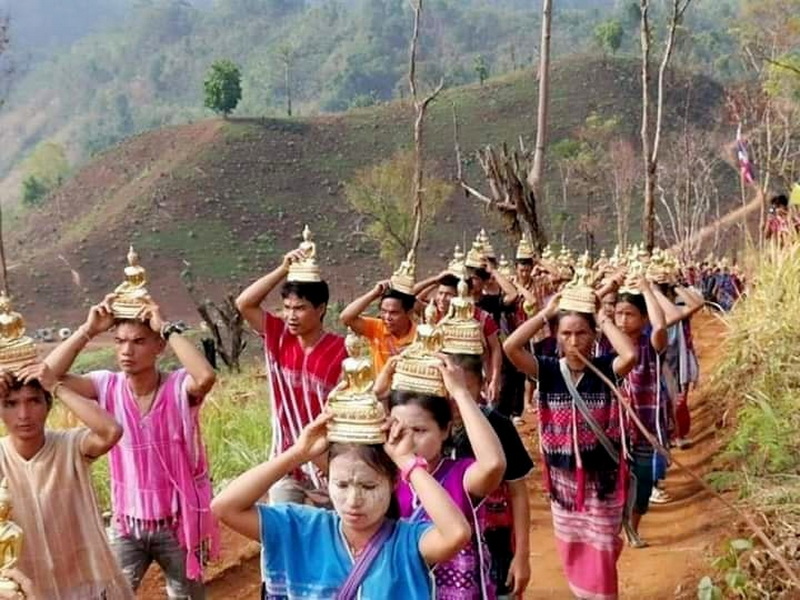
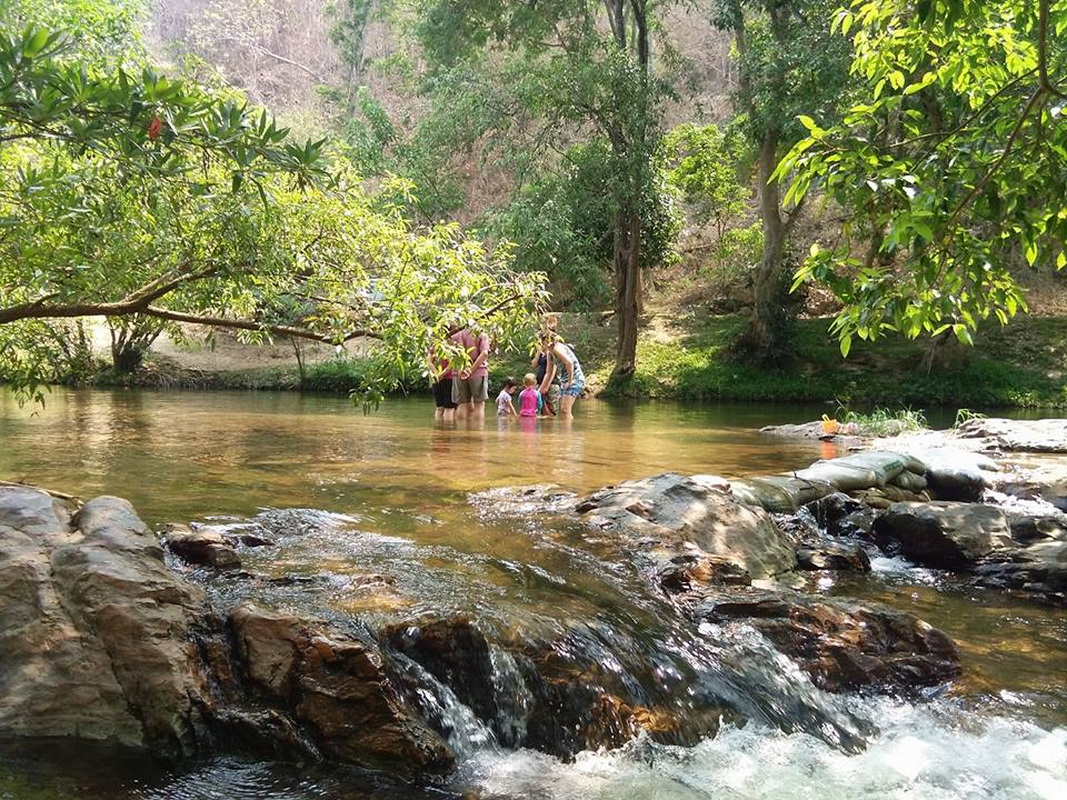
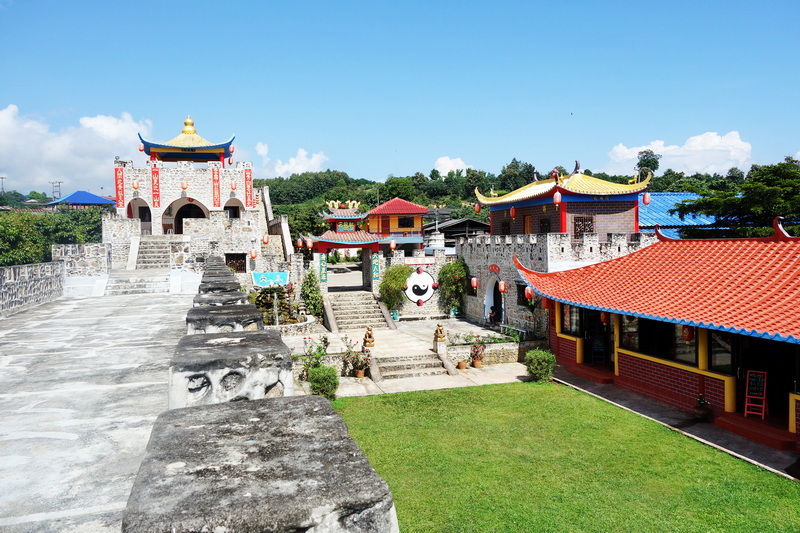
Travel photograph selected for Karen Hilltribe destination guide.

Visiting a Karen Hilltribe community in Northern Thailand can be an opportunity for cultural learning, but it should never be treated as a performance arranged solely for visitors. Karen communities are diverse, and a village visit may involve meeting residents, learning about craft traditions, observing daily activities, or hearing local perspectives. The quality of that encounter depends less on how many sights are included than on whether residents have meaningful control over participation and benefit fairly from tourism. Responsible travel begins before a booking is made. Travelers can ask who organizes the visit, how community members are involved, whether photography requires permission, and where visitor payments go. These questions help distinguish a respectful cultural experience from a hurried stop designed mainly for consumption. They also give visitors a practical way to support local livelihoods without assuming that every community wants the same type of tourism. This guide focuses on ethical choices connected with Karen visits, including the sensitive language sometimes used for Karen Long Neck communities. It explains what to look for in a responsible package, how to behave during an encounter, and how to remain curious without turning living culture into a display.

Begin with consent rather than curiosity

Ethical tourism treats a village as a home and community, not as an open-air exhibit. Residents should have a say in whether visitors are welcomed, which areas are accessible, what activities are offered, and how images or stories may be used. A responsible operator should be able to explain this process in clear terms rather than relying on vague promises about an authentic experience.

The word authentic can be misleading when it suggests that people must behave according to a visitor’s expectations. Karen culture is living and changing, and community members may combine inherited practices with contemporary education, work, technology, and religious life. Travelers should therefore avoid judging a visit by whether it appears untouched or traditional enough. Listening to people on their own terms is more respectful than searching for a staged version of rural life.

The term Karen Hill Tribe is widely used in travel discussions, but it can flatten important differences among Karen communities. Names, dialects, histories, and local priorities vary. The label Karen Long Neck is also commonly used by tourism businesses, although some people prefer more specific community or ethnic terminology. A considerate visitor follows the language used by hosts and guides, asks questions gently, and avoids treating a descriptive label as a complete explanation of identity.

Look for benefits that reach the community

Tourism is more responsible when local people help shape the visitor experience and receive a fair share of its benefits. This may involve community members serving as guides, demonstrating crafts by choice, selling their own work, or managing a visitor contribution. It may also include locally determined support for education, cultural activities, community facilities, or household income. No single model is suitable everywhere, so travelers should look for transparency rather than assume that a package is ethical because it uses positive language.
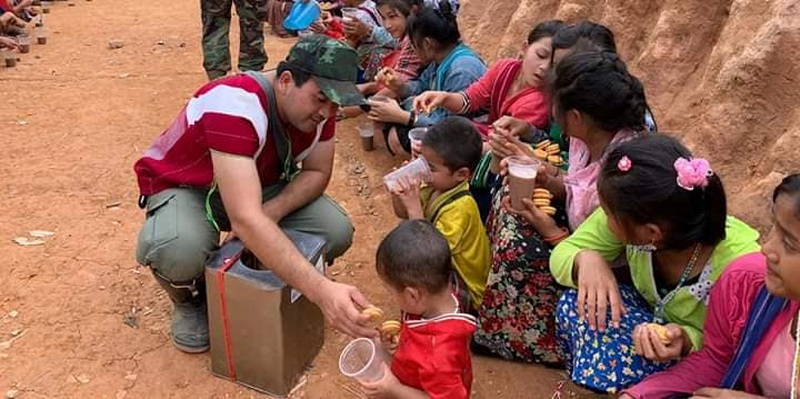
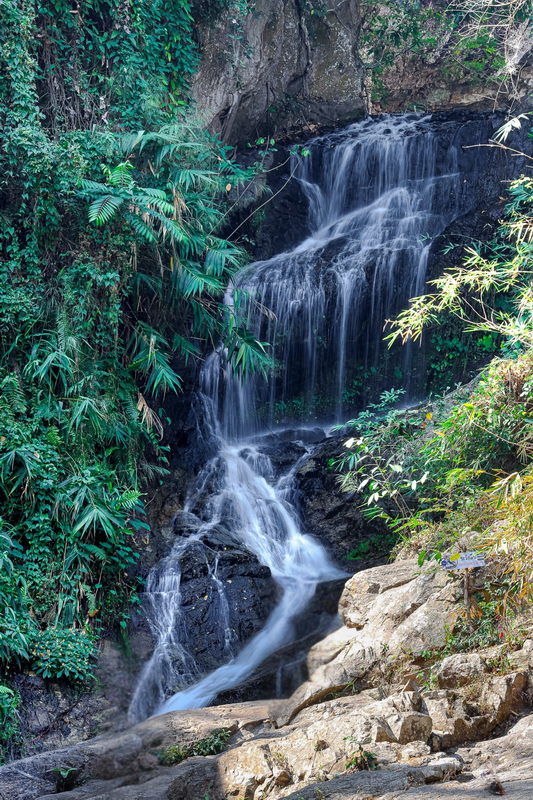
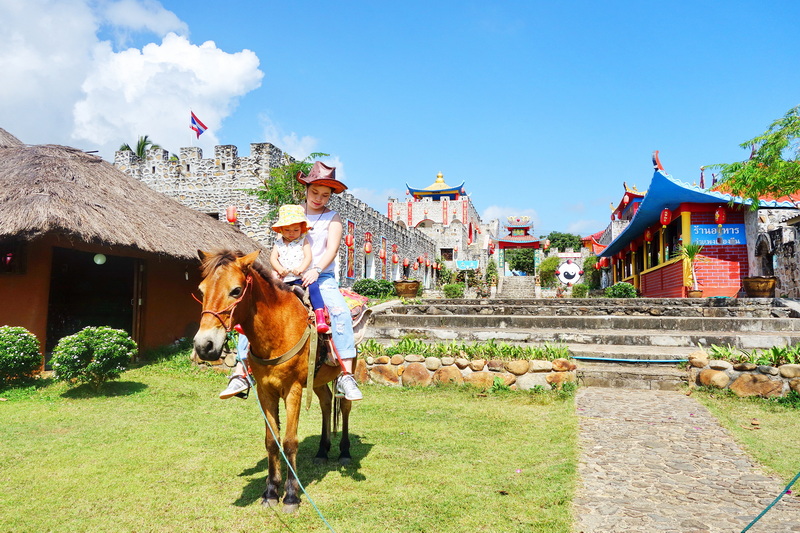
Travel photograph selected for Karen Hilltribe destination guide, Karen Hilltribe main article view 2 2

Before selecting a tour, ask whether the operator works with a named community partner, how payments are distributed, and whether residents can decline participation. It is reasonable to ask if local guides are paid directly, whether craft prices are set by makers, and how complaints are handled. A thoughtful operator should welcome these questions. Claims such as helping the village or supporting local people are difficult to evaluate when no explanation is offered.

Ethical Hill Tribe Tours Northern Thailand should be understood as a standard to investigate, not as a guarantee attached to a marketing phrase. Compare the operator’s policies, guide training, group size approach, photography rules, and explanation of community consent. Avoid businesses that promise exclusive access, encourage visitors to enter private areas, or present residents as attractions. A shorter, slower visit with clear boundaries can be more beneficial than a crowded itinerary with many stops.

Choose a package that leaves room for mutual respect

A package that includes a Karen visit should explain the cultural purpose of the encounter without making exaggerated claims. Look for descriptions that identify community-led activities, provide background about local history, and set expectations for respectful behavior. The wording should make clear that residents are people with agency, not props in a themed excursion. It should also acknowledge that access and activities may change according to community preference.

When comparing a Chiang Mai Travel Package, read beyond the headline itinerary. Ask whether the cultural visit is a meaningful part of the program or merely a rapid photo stop between other activities. Find out whether the guide will interpret local context, translate questions, and intervene if visitors behave inappropriately. A responsible package may also explain rules about photography, purchasing, dress, conversation, and the use of images after the visit.

Search terms can create confusion. A phrase such as Karen And Karen Longneck Hill Tribe Thailand may bring together communities and experiences that are not identical. Rather than judging a package by its title, examine its specific description and the operator’s relationship with the community. If an itinerary uses sensational language, promises guaranteed encounters, or describes people mainly through unusual physical characteristics, treat that as a warning sign. Responsible planning values clarity, dignity, and community choice over dramatic promotion.
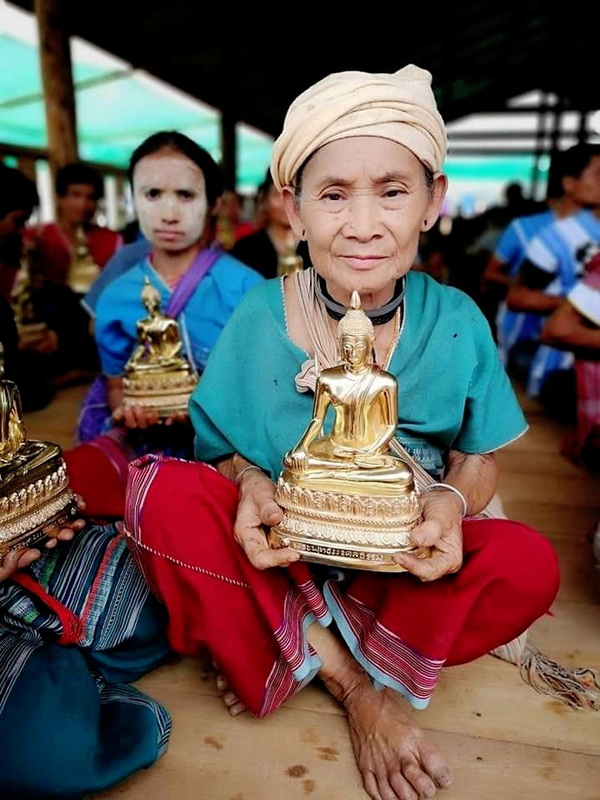
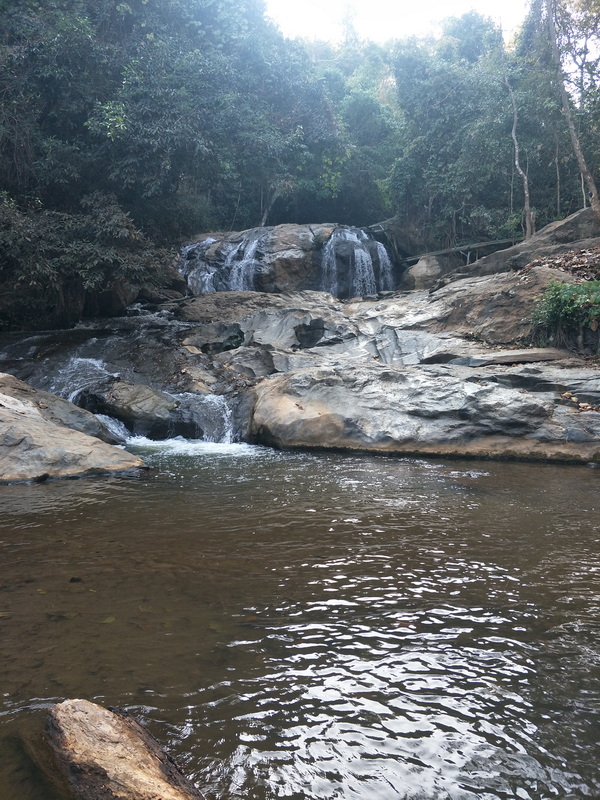
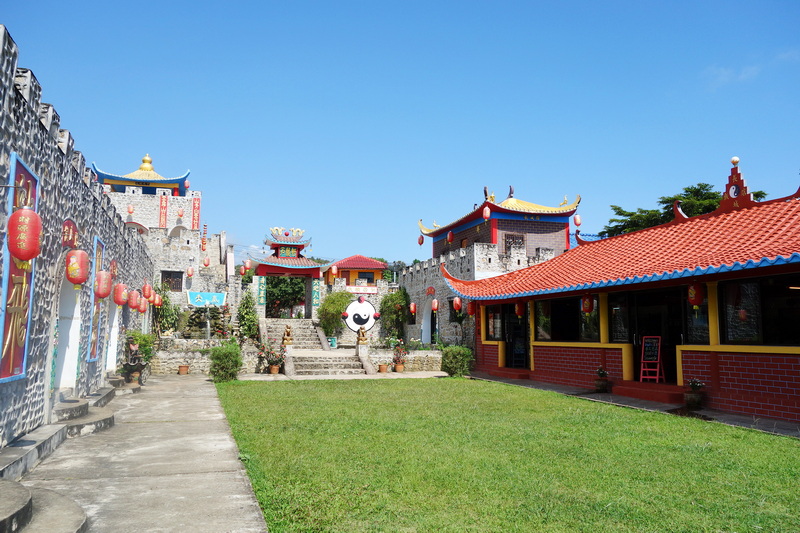
Travel photograph selected for Karen Hilltribe destination guide, Karen Hilltribe main article view 3 2

Travelers should also consider whether they are prepared for a culturally focused visit. The purpose is not to collect photographs or prove that a destination is undiscovered. It is to listen, learn, and contribute appropriately. If the available information does not answer basic questions about consent and local benefit, postponing the booking or choosing a more transparent provider is a responsible decision.

Practice respectful behavior on the day

Ask before taking any photograph, including portraits, group images, craft demonstrations, and pictures of children. A person’s presence in a public area does not automatically mean consent to be photographed. A clear refusal should end the request without persuasion. Travelers should also ask before recording sound, filming a demonstration, or sharing an image online. Consent for one photograph does not necessarily cover commercial use, editing, or publication.

Dress and behavior should reflect that a village is a lived community. Follow guidance from local hosts about appropriate clothing, restricted areas, religious spaces, and household boundaries. Do not enter a home, touch clothing or cultural objects, handle tools, or interrupt work without invitation. Speak in a normal, friendly manner rather than performing exaggerated reactions to unfamiliar customs. Questions about history, language, dress, and livelihoods can be welcome when asked with humility, but personal questions about income, migration, or identity may not be.

Purchasing can support households when it is voluntary and transparent. Buy directly from makers when possible, ask about the item’s origin, and accept the quoted price without aggressive bargaining over a small margin. Do not distribute sweets, money, or school supplies directly to children unless a community-approved system recommends it. Unplanned gifts can encourage competition, dependency, or repeated requests. If a guide explains an established community fund, follow that process instead.

Most importantly, do not assume that residents are available whenever visitors arrive. A person may be working, caring for family, studying, or simply taking private time. Observe quietly when observation is appropriate, participate only by invitation, and accept changes to the planned experience. Ethical engagement includes the possibility that a resident says no or that a planned activity is not offered.
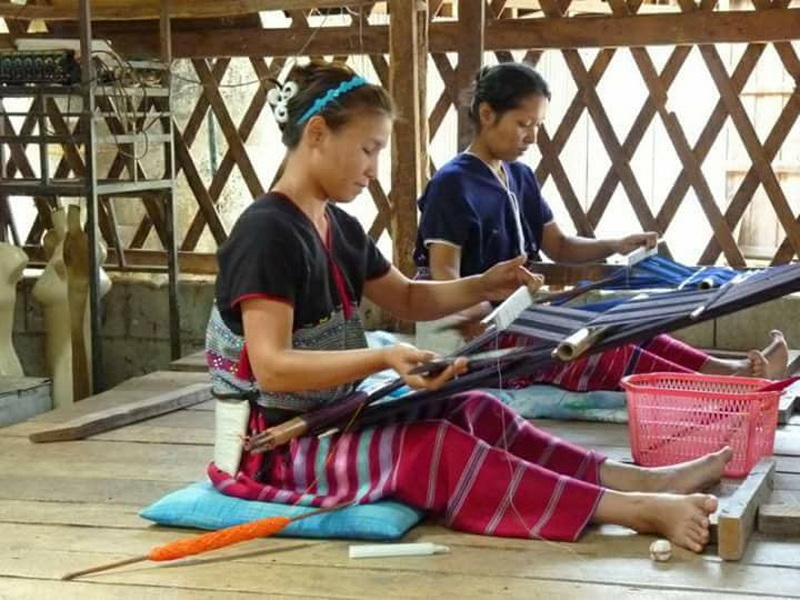
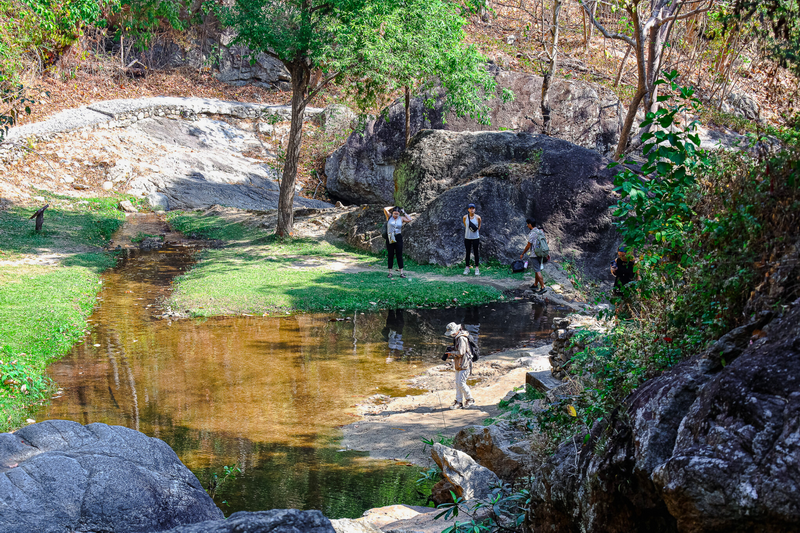
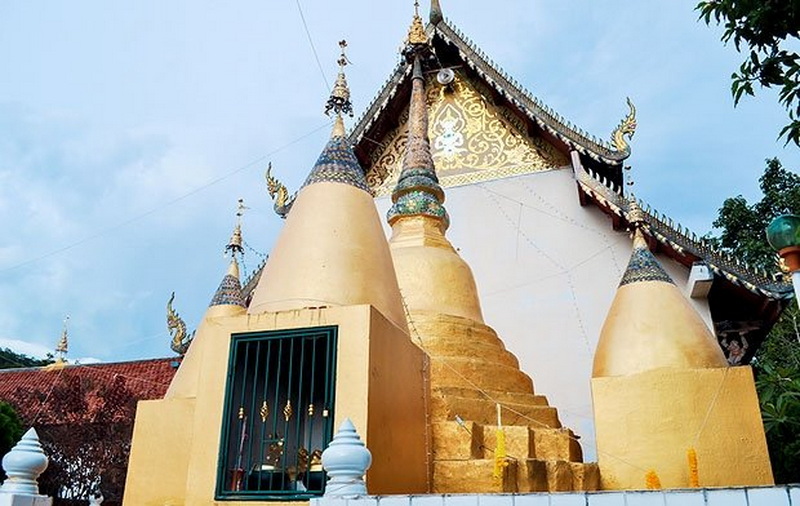
Travel photograph selected for Karen Hilltribe destination guide, Karen Hilltribe main article view 4 2

Leave with understanding, not a souvenir of people

After a visit, consider what the experience taught you about the community rather than only what it provided for your itinerary. Did local people speak for themselves? Were their answers translated with care? Did the guide explain historical and social context without reducing Karen life to hardship or spectacle? Reflection can reveal whether a tour encouraged mutual understanding or simply reproduced familiar tourism habits.

Travelers can also support ethical practice after returning home. Share photographs only when permission was granted, describe people with dignity, and avoid captions that exoticize clothing, body adornment, or daily life. If a community sells crafts, identify makers accurately rather than presenting purchases as evidence of an untouched culture. Constructive feedback to an operator can mention strong consent practices as well as problems that need attention.

A responsible Karen And Karen Longneck Hill Tribe Travel Guide should leave space for complexity. Some visitors may encounter traditions connected with long-neck adornment, while others may meet Karen families whose lives are centered on farming, education, commerce, faith, or other work. No single visit can represent every Karen community. The most ethical response is to resist sweeping conclusions and recognize each encounter as locally specific.

This approach may feel less dramatic than a tightly staged attraction, but it creates a more honest relationship between traveler and host. Cultural tourism becomes more defensible when residents retain control, visitors understand boundaries, and financial benefits are visible rather than assumed.

Planning Your Visit

An ethical Karen Hilltribe visit is built on consent, transparency, and patience. Choose an operator that explains community involvement, ask where payments go, and treat photography and conversation as privileges rather than entitlements. During the visit, follow local guidance, purchase thoughtfully, and accept that residents may set limits or change the plan. These choices turn a cultural excursion from passive observation into a more responsible exchange. The goal is not to find a perfect or untouched village, but to support encounters in which Karen communities retain dignity, voice, and meaningful control over how they welcome visitors.

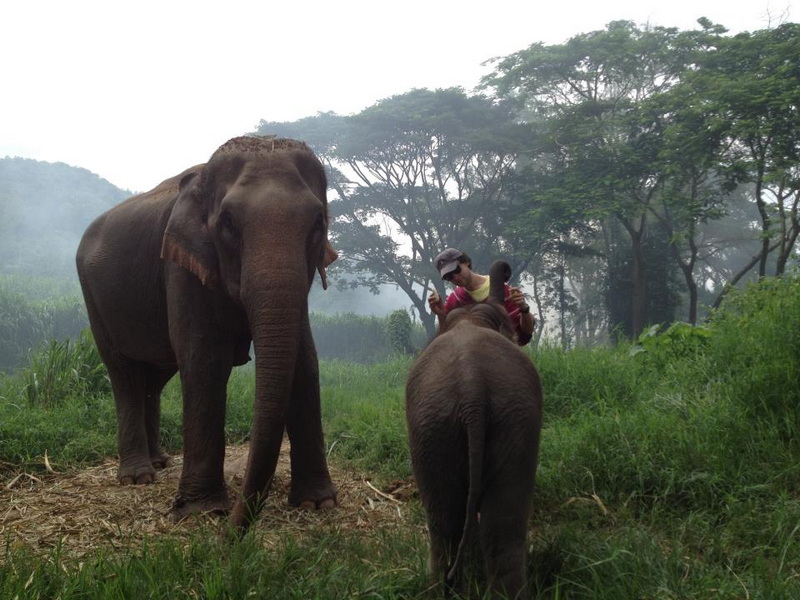
Patara Elephant Farm Family Guide for No Riding Visits

Patara Elephant Farm Family Guide for No Riding Visits

A practical family guide to judging child readiness, comfort, supervision, and nearby activity choices in Hang Dong District

Travel photograph selected for Patara Elephant Farm destination guide.

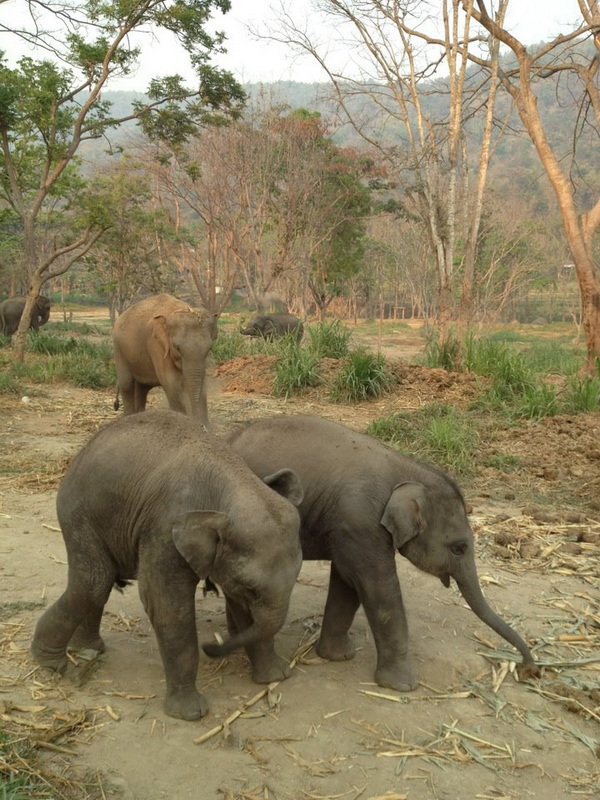
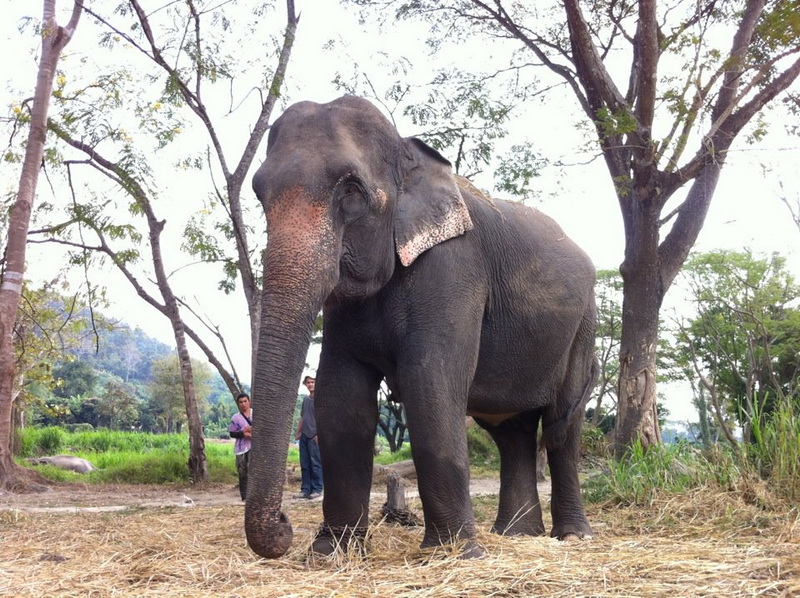
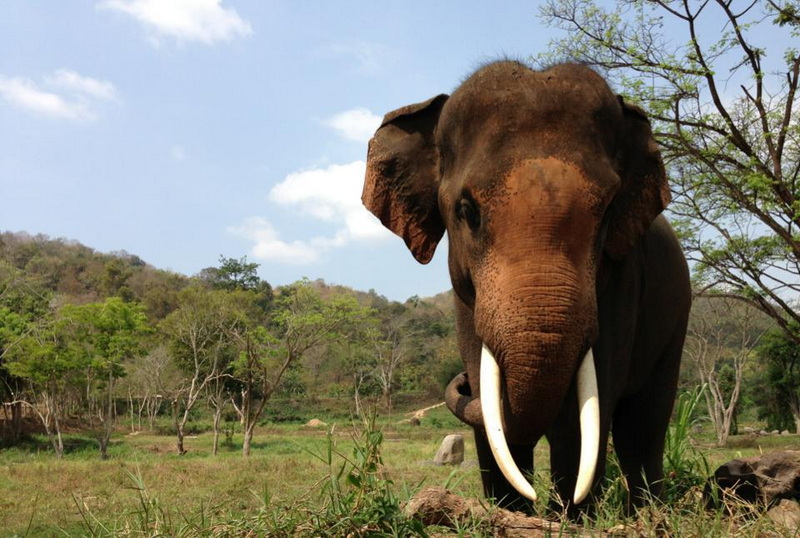
Your child may be fascinated by elephants but still dislike loud sounds, unfamiliar animals, muddy ground, or situations where adults cannot stay close. That makes the first question less about whether an elephant visit sounds exciting and more about whether the experience matches your child’s temperament. At Patara Elephant Farm in Hang Dong District, Chiang Mai, families can consider a no-riding format as one option for meeting elephants without making riding the central activity. The decision deserves a personal approach: a confident eight-year-old, a cautious preschooler, and a toddler with a short attention span will not experience the same visit in the same way. This guide uses a family-planning test rather than a general attraction list. It looks at age, sensory comfort, attention, supervision, and energy before considering one additional outdoor activity. The aim is to help parents decide whether a No Riding Elephant Tour Chiang Mai option fits their group, and whether adding another experience would enrich the day or simply make it harder for children to cope.

Start with the child, not the attraction

Age is only a rough guide. A child’s confidence around large animals matters more than a birthday threshold. Some young children are happy watching from a respectful distance, while older children may feel anxious when an elephant moves, vocalizes, or approaches. Before choosing a visit, ask what your child normally does around dogs, horses, insects, water, and unfamiliar adults. Those everyday reactions can reveal more than a promotional description.

A no-riding visit may suit families who want contact with the setting without placing a child on an animal. It can also suit a child who enjoys practical learning, watching adults work, or noticing details that are easy to miss in a fast-moving attraction. However, no riding does not mean no sensory challenge. Elephants are large, active animals, and outdoor conditions can include heat, uneven surfaces, mud, strong smells, and sudden movement.

For toddlers, the most realistic goal may be a short period of interest rather than sustained participation. Older children may be ready to listen, ask questions, and follow boundaries for longer. Parents should treat these differences as planning information, not as a test of courage.

Check the sensory profile of your day

Families often prepare for weather but forget sound and texture. A child who dislikes splashing water may also dislike wet ground. A child who becomes overwhelmed by animal noises may need extra space and a clear explanation before approaching. Consider hats, comfortable clothing, water, and a change of clothes as simple comfort measures, while recognizing that no packing list can remove every unfamiliar sensation.

Give children a straightforward preview without promising a perfect experience. Explain that they may see very large animals, stay beside an adult, wait while others receive guidance, and choose observation over touching if they feel unsure. This language gives a child permission to pause. It also prevents the common family mistake of treating hesitation as misbehavior.

Travel photograph selected for Patara Elephant Farm destination guide, Patara Elephant Farm main article view 2 2

Parents should decide in advance what signals mean ‘we need a break.’ A tired child may become noisy, clingy, silent, or unusually argumentative. Agreeing on a pause plan helps adults respond early rather than asking a child to endure discomfort for the sake of completing an activity.

Define what participation means for each child

The phrase Patara Elephant Training can sound demanding to a family imagining formal lessons, but parents should focus on the child’s actual role in the visit. Participation might mean listening to an explanation, observing feeding or care-related tasks where permitted, noticing body language, or asking a question. It does not need to mean close contact or performing a particular action.

A useful family rule is that adults manage proximity while children manage their comfort. Children can be invited to watch first, move closer later, or remain beside a parent. This keeps the experience voluntary without suggesting that elephants are toys. It also gives siblings with different confidence levels a fairer experience.

When reading Patara Elephant reviews, look for practical comments about children’s attention, walking tolerance, heat, noise, and the amount of adult supervision required. Reviews can reveal whether families found the atmosphere manageable, but they cannot predict your child’s reaction or replace checking current information before making a decision.

Build a day around recovery time

A family outing has several kinds of energy: physical effort, concentration, social interaction, and emotional adjustment. An elephant visit may appear gentle while still requiring children to listen, watch carefully, adapt to unfamiliar surroundings, and remain near adults. That mental load counts when deciding what comes next.

Travel photograph selected for Patara Elephant Farm destination guide, Patara Elephant Farm main article view 3 2

Instead of filling every open part of the day, identify one main experience and one optional activity. Leave room for food, shade, rest, and the possibility that a child will want to talk about what happened. If the first activity runs long or feels intense, the optional plan can be dropped without making the day feel unsuccessful.

This approach is especially useful for Family Adventure Tours Chiang Mai plans involving children of different ages. Older siblings may want movement and novelty, while younger ones may need repetition and downtime. A flexible plan allows the family to share the main experience without forcing everyone to maintain the same pace afterward.

Choose one companion activity by energy level

A simple comparison can clarify whether another outing belongs on the same day. A no-riding elephant visit generally centers on attention, guided participation, and animal awareness. Its main demands are emotional readiness, listening, and staying close to adults. It may suit a child who prefers observation but still wants a meaningful outdoor experience.

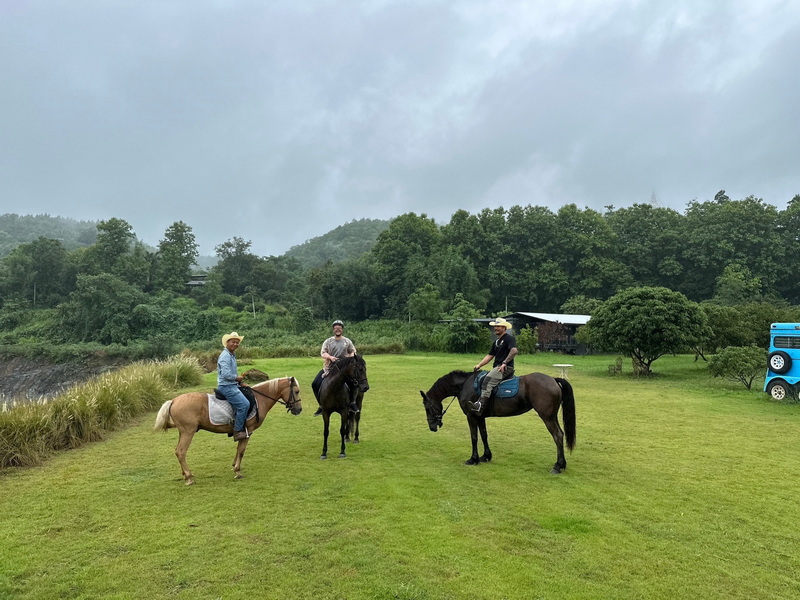
Chiang Mai Horse Riding Adventure is a different choice because it introduces another animal, a seated activity, and a stronger expectation of following instructions. It may appeal to confident children who enjoy movement, but it can compete with an elephant-focused visit if a child is nervous around animals or becomes tired after sustained concentration. Parents should judge it by supervision needs and the child’s previous experience, not simply by the word ‘adventure.’

Ob Khan National Park offers a nature setting rather than a managed animal encounter. It may provide more freedom to notice scenery and move at a family pace, although outdoor walking, heat, uneven ground, and changing energy levels still matter. For a young family, it can complement an elephant visit when children need open-air exploration; it may conflict with the day when rest, shade, or minimal transitions are more important.

Travel photograph selected for Patara Elephant Farm destination guide, Patara Elephant Farm main article view 4 2

The comparison is not a recommendation to combine all three. Think of them as alternatives with different demands: animal contact and concentration, structured movement and supervision, or nature observation and variable walking. Choosing one additional activity is often easier for parents and more enjoyable for children than collecting every possible experience.

Use a five-question suitability check

Before confirming a no-riding visit, ask whether your child can remain near an adult when excited or uncertain. Next, consider whether they can cope with outdoor heat, unfamiliar sounds, and waiting. Then ask whether the family is comfortable with an experience where observation may be more important than constant entertainment. These questions help separate genuine interest from pressure created by an itinerary.

Also check whether siblings need different versions of the day. One child may want to ask questions while another watches silently. A family plan works better when both responses are accepted. Adults should be ready to model calm behavior, follow current guidance from staff, and avoid encouraging children to chase, crowd, tease, or demand contact from an animal.

Finally, consider the family’s reason for going. If the goal is a photograph, children may feel pressure to perform. If the goal is curiosity and shared time, a brief observation can still count as a successful visit. That distinction keeps expectations realistic and supports a more considerate relationship with the animals and the people caring for them.

Nearby Attractions

Chiang Mai Horse Riding Adventure

Travel photograph selected for Chiang Mai Horse Riding Adventure destination guide.

Consider this option when your children are comfortable with structured animal activity, can follow close supervision, and still have energy for a more active experience. It is less suitable as an automatic second stop after an emotionally demanding visit.

Ob Khan National Park

Travel photograph selected for Ob Khan National Park destination guide.

Consider this option when your family would prefer scenery, outdoor movement, and a less animal-centered setting. Check the children’s walking tolerance and need for rest before treating it as a companion activity.

Planning Your Visit

A Patara Elephant Farm visit is probably a good fit when your child is curious about elephants, can stay near an adult, accepts the possibility of watching rather than touching, and manages outdoor conditions reasonably well. It may be better postponed or simplified when a child is overtired, highly sensitive to animal sounds, unable to pause safely, or being pushed by an adult’s expectations. If the visit passes that test, choose one companion activity according to energy and supervision needs: movement, nature, or no second outing at all. The strongest plan is the one your children can participate in comfortably, with adults prepared to change course when their signals show that enough is enough.

Thursday, October 22, 2026

Swimming Opportunities at Waterfalls Near Huay Kaew Waterfall

Swimming Opportunities at Waterfalls Near Huay Kaew Waterfall

Discover the best spots for swimming and nature exploration around Huay Kaew Waterfall in Chiang Mai

Small waterfall cascading over rocks amidst dense green plants at Huay Kaew Waterfall.

Nestled within the vibrant natural landscape of Mueang Chiang Mai District, Huay Kaew Waterfall offers visitors a refreshing escape from the city’s bustle. Known locally as Huaikaew Waterfall, this charming cascade is a favored spot for travelers seeking a mix of scenic beauty and active outdoor adventures. While the waterfall itself is a tranquil place to enjoy nature, the surrounding area is dotted with several waterfalls that provide excellent swimming opportunities for those eager to cool off in pristine waters. Swimming at waterfalls in Chiang Mai is a popular activity that combines the thrill of exploring lush jungle terrain with the simple joy of immersing oneself in clear, fresh water. Visitors embarking on a Chiangmai tour focused on Huaikaew Waterfall often find that the nearby swimming-friendly spots enhance their experience, offering both relaxation and invigorating activity. Beyond the waterfalls, the region also features culturally rich sites such as Wat Pha Lad and the Doi Pui Hmong Village, which add depth to any itinerary. This article will guide you through the best swimming areas near Huay Kaew Waterfall, provide insights into local attractions worth visiting, and offer practical tips to ensure a safe and enjoyable adventure. Whether you are an active traveler eager for a Chiang Mai waterfalls swimming experience or someone planning a day trip with a blend of nature and culture, this guide will help you make the most of your visit.

Exploring Huay Kaew Waterfall and Its Natural Appeal

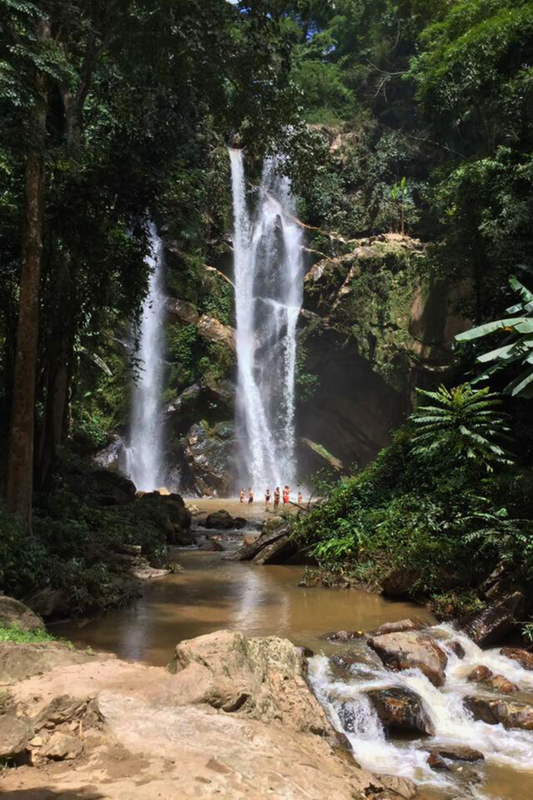
Huay Kaew Waterfall is a serene natural attraction located conveniently close to central Chiang Mai. It is relatively easy to access, making it a popular stop for travelers on a Chiangmai tour who want to experience refreshing waterfall scenery without venturing too far from the city. The waterfall cascades gently over rocky ledges into a shallow pool, creating a peaceful environment ideal for relaxation and light swimming.

The surrounding area is lush with tropical vegetation, providing a cool canopy that shelters visitors from the midday sun. While the waterfall itself is not known for deep swimming, the pool at its base offers a pleasant spot to dip your feet and enjoy the soothing sound of flowing water. The location is also a great starting point for exploring nearby waterfalls that feature more extensive swimming opportunities.

For those interested in combining nature with gentle physical activity, walking trails around Huay Kaew Waterfall lead through dense forest areas where the air is fresh and the atmosphere tranquil. The waterfall is a favorite among local residents as well, who appreciate its calming presence and accessibility.

Swimming-Friendly Waterfalls in Chiang Mai Near Huay Kaew

While Huay Kaew Waterfall offers a peaceful spot for wading, several nearby waterfalls are better suited for swimming. These natural pools provide clear, cool water perfect for a refreshing dip after hiking or exploring the forest trails. Among the most notable are Bua Thong Waterfall (Sticky Waterfall) and Mok Fa Waterfall, both within reasonable reach of Huay Kaew.

Small waterfall cascading over rocks into a pool in a lush forest setting at Top Waterfalls in Chiang Mai.

Bua Thong Waterfall is famous for its limestone rocks that allow visitors to climb easily and safely, with several deep pools ideal for swimming. Its unique texture prevents slipping, making it a fun and safe choice for families and active travelers alike. Mok Fa Waterfall, though a bit further away, is nestled within dense jungle and offers a more secluded swim in a natural setting.

These waterfalls are part of the broader Chiang Mai waterfalls swimming experience, attracting visitors who want to combine adventure with relaxation. When planning a visit, it’s important to check seasonal conditions, as water levels and current strength can vary, affecting safety and accessibility.

People exploring near a small river surrounded by rocks and greenery at Huay Kaew Waterfall.

Cultural Highlights Near Huay Kaew Waterfall

Beyond the natural beauty and swimming spots, the area surrounding Huay Kaew Waterfall is enriched by cultural sites that offer insight into the local heritage. Wat Pha Lad is a serene temple located within a forested area not far from the waterfall. This temple is known for its peaceful atmosphere and historical significance, providing visitors with a quiet place for reflection amidst nature.

Another cultural gem nearby is the Doi Pui Hmong Village, situated on the slopes of Doi Suthep mountain. This village is home to the Hmong hill tribe community, where visitors can learn about traditional crafts, local customs, and the everyday life of the hill tribe people. Respectful interaction and cultural sensitivity are important when visiting, as the community values privacy and preservation of their heritage.

Combining a visit to these cultural attractions with swimming at nearby waterfalls makes for a well-rounded Chiangmai tour. It allows travelers to experience both the natural wonders and the rich cultural tapestry that defines this region of northern Thailand.

Visitor Tips for Safe and Enjoyable Swimming

Swimming at waterfalls can be an exhilarating experience, but it requires attention to safety and preparation. When visiting Huay Kaew Waterfall and nearby swimming spots, always check local conditions such as water depth, current strength, and weather forecasts. Avoid swimming immediately after heavy rains, as water flow can become dangerously strong.

Wear appropriate footwear to navigate slippery rocks and uneven terrain safely. It is also advisable to bring water shoes or sandals with good grip to prevent falls. Remember that natural pools may have uneven bottoms, so enter the water cautiously.

Tall waterfall flowing into a pool amid lush green forest with people nearby at Huay Kaew Waterfall.

Carry essentials such as water, sunscreen, and insect repellent, and avoid leaving trash behind to preserve the pristine environment. If swimming with children, supervise them closely, as natural bodies of water can have hidden hazards.

Respect local customs and signage, particularly when near cultural sites or protected natural areas. Engaging with local guides or joining a Chiangmai tour can enhance safety and provide valuable insights into the region’s natural and cultural environment.

Planning Your Day Around Huay Kaew Waterfall and Surroundings

A typical day trip centered on Huay Kaew Waterfall can include a combination of swimming, hiking, and cultural exploration. Start your morning at the waterfall to enjoy cooler temperatures and lighter crowds. From there, venture to the nearby swimming-friendly waterfalls for a more active water experience.

Afterward, visit Wat Pha Lad to appreciate its tranquil forest setting and historical ambiance. Conclude your day at the Doi Pui Hmong Village, where you can engage with local artisans and learn about hill tribe traditions while enjoying panoramic mountain views.

Many travelers opt for guided Chiangmai tours that arrange transportation and provide knowledgeable guides, making it easier to navigate between these points of interest. Whether independently exploring or joining a tour, allocating sufficient time at each location ensures a relaxed and immersive experience.

Nearby Attractions

Wat Pha Lad

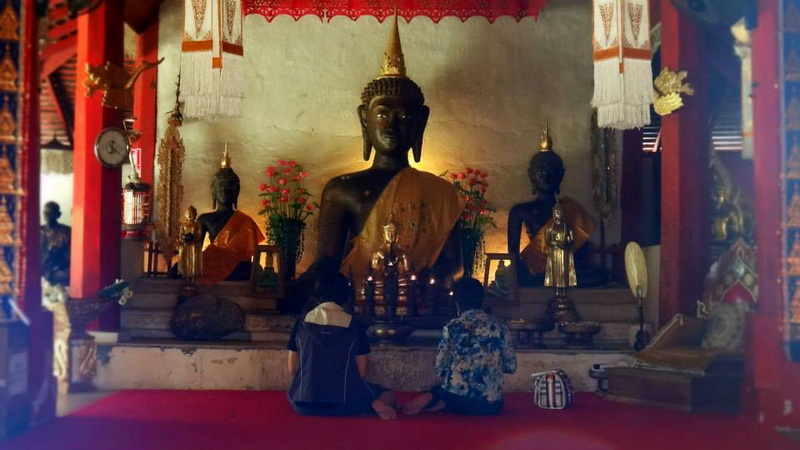
Two children sitting in front of a large Buddha statue inside a decorated temple at Wat Pha Lad.

Wat Pha Lad is a Buddhist temple nestled within a serene forest near Huay Kaew Waterfall. It is known for its peaceful atmosphere, ancient structures, and the spiritual calm it offers visitors. The temple grounds are shaded by large trees, making it a comfortable spot for reflection and quiet walks.
The temple holds historical and cultural significance for the local community and serves as a tranquil retreat from the busier tourist sites. Visitors can observe traditional Thai Buddhist architecture and sometimes witness local monks engaged in rituals or meditation.

Respectful behavior is expected within the temple area, including dressing modestly and maintaining silence or low voices. Wat Pha Lad complements the natural attractions nearby by providing a cultural dimension to the visit.

Doi Pui Hmong Village

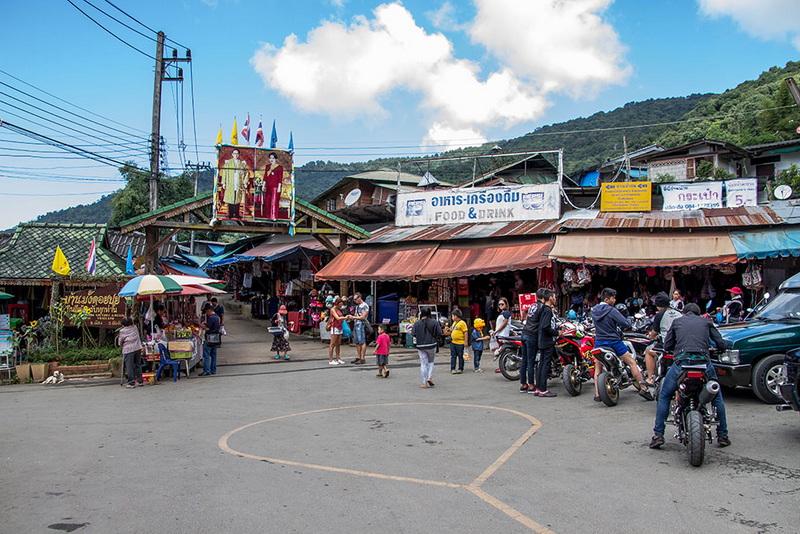
Crowded street market with vendors, shoppers, and motorcycles against mountain backdrop at Doi Pui Hmong Village.

Doi Pui Hmong Village is located on the slopes of Doi Suthep mountain and is home to the Hmong hill tribe community. The village offers a glimpse into traditional hill tribe life, including handicrafts, clothing, and agricultural practices that have been preserved over generations.

Visitors can explore the village pathways, interact with local artisans, and purchase handmade products directly from the villagers. The community welcomes respectful tourists who show genuine interest in their culture and traditions.

In addition to cultural experiences, the village provides stunning views of the surrounding mountains and forests. It is advisable to visit with cultural sensitivity, avoiding intrusive photography and respecting the privacy of residents.

Planning Your Visit

Exploring the waterfalls near Huay Kaew Waterfall offers a wonderful blend of active swimming opportunities and immersive natural beauty. Coupled with visits to cultural sites like Wat Pha Lad and the Doi Pui Hmong Village, travelers can enjoy a rich and varied experience that highlights northern Thailand’s unique landscape and heritage. With proper preparation and respect for local customs, your journey through these swimming-friendly waterfalls and nearby attractions will be both safe and unforgettable. Whether on a self-guided Chiangmai tour or with a knowledgeable guide, these destinations invite you to connect deeply with nature and culture in a refreshing and inspiring way.

Visitor Guide on Chiangmai Tours and Tour Operators at Art in Paradise Chiang Mai

Visitor Guide on Chiangmai Tours and Tour Operators at Art in Paradise Chiang Mai

Discover how Chiangmai tours and local tour operators enhance your visit to Art in Paradise and nearby attractions

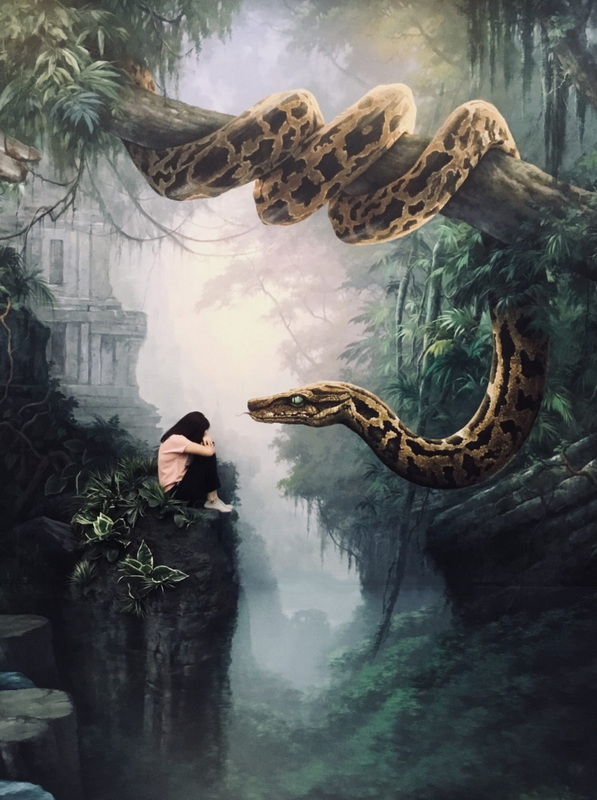
Person sitting on rocks in jungle mural with large painted snake hanging from tree branch at Art in Paradise Chiang Mai.

Art in Paradise Chiang Mai stands out as a captivating interactive art museum in the heart of Mueang Chiang Mai District. This unique attraction invites visitors to immerse themselves in optical illusions and 3D artworks that blend creativity with playful engagement. For many first-time visitors, understanding how to integrate a visit here with local tours can significantly enrich the experience. Chiangmai tours and Chiang Mai tour operators play a vital role in shaping how visitors explore not only Art in Paradise but also the surrounding cultural and natural highlights. These operators offer tailored experiences that help travelers navigate their options, ensuring a smooth and enjoyable trip. This guide aims to provide practical insights into the role of tour operators and the variety of tours available, focusing on how they support visitors at Art in Paradise Chiang Mai. Additionally, nearby attractions such as San Kamphaeng Hot Springs and Tube Trek Water Park offer complementary activities to round out your day trip or excursion plans.

Understanding Art in Paradise Chiang Mai and Its Appeal

Art in Paradise Chiang Mai is more than just a museum; it is an interactive art space that transforms traditional viewing into participatory fun. Featuring a wide array of three-dimensional paintings, this attraction allows visitors to become part of the artwork through clever visual illusions. The experience is designed to engage all ages, making it a popular destination for families, solo travelers, and groups alike. Travelers researching Art in Paradise Visitor Guide can use these details when planning the trip.

Located conveniently within Mueang Chiang Mai District, the venue is accessible and provides a refreshing contrast to more conventional cultural sites in the city. Visitors often appreciate the balance of creativity and entertainment, which offers a lighthearted yet memorable cultural experience. Its appeal lies in the hands-on interaction, encouraging guests to pose, explore, and photograph their encounters with the art.

The museum also serves as an introduction to contemporary art styles within Thailand, blending international artistic techniques with local cultural elements. This combination helps visitors appreciate the evolving art scene in Chiang Mai and the broader northern Thailand region.

Role of Chiangmai Tours and Tour Operators in Your Visit

Chiangmai tour operators are essential facilitators for visitors aiming to explore Art in Paradise alongside other attractions in the region. These professionals offer a range of services including guided tours, transport arrangements, and itinerary planning, which can simplify the visitor experience, especially for first-time travelers unfamiliar with the area.

Tour operators tailor their offerings to different interests and time frames, such as half-day tours focused on Art in Paradise or full-day excursions combining multiple sites. Their local knowledge ensures that travelers avoid common logistical challenges and maximize their time. Many operators also provide insights into the cultural context of the attractions, adding depth to the visit beyond the visual experience.

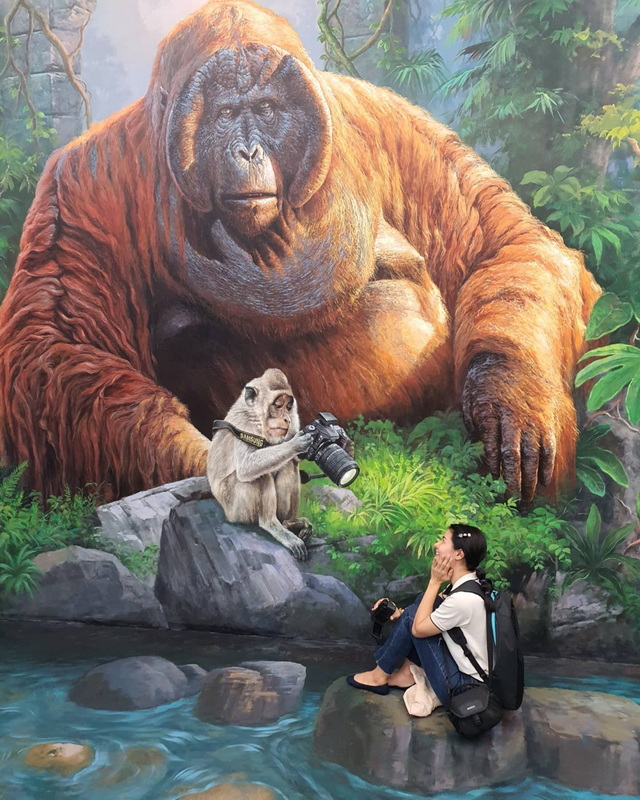
Person sitting on rocks near a stream with a painted gorilla and monkey holding a camera at Art in Paradise Chiang Mai.

Working with a trusted Chiangmai tour operator can also enhance safety and convenience. They handle permits, entry arrangements, and navigation, allowing visitors to focus on enjoying the artwork and surroundings. For international visitors, this support is invaluable in overcoming language barriers and understanding local customs.

Moreover, these operators often collaborate with local businesses and communities, promoting responsible tourism practices that respect cultural heritage and support the local economy.

Enhancing Your Trip with Nearby Attractions

When planning a visit to Art in Paradise Chiang Mai, incorporating nearby attractions can create a fuller and more diverse travel experience. Two notable nearby destinations are San Kamphaeng Hot Springs and Tube Trek Water Park, each offering distinct activities that complement the artistic exploration.

San Kamphaeng Hot Springs is renowned for its natural thermal waters and serene environment. Visitors can enjoy soaking in warm mineral pools, which is a relaxing contrast to the energetic and interactive atmosphere of Art in Paradise. The hot springs area also offers walking trails and picnic spots, making it suitable for a leisurely afternoon.

Tube Trek Water Park, on the other hand, provides an adventurous and family-friendly option. Featuring water slides and floating obstacles, it appeals to those looking for active fun and cooling off in Chiang Mai’s tropical climate. Combining a visit here with Art in Paradise creates a balance of cultural and recreational activities, appealing to a broad range of interests.

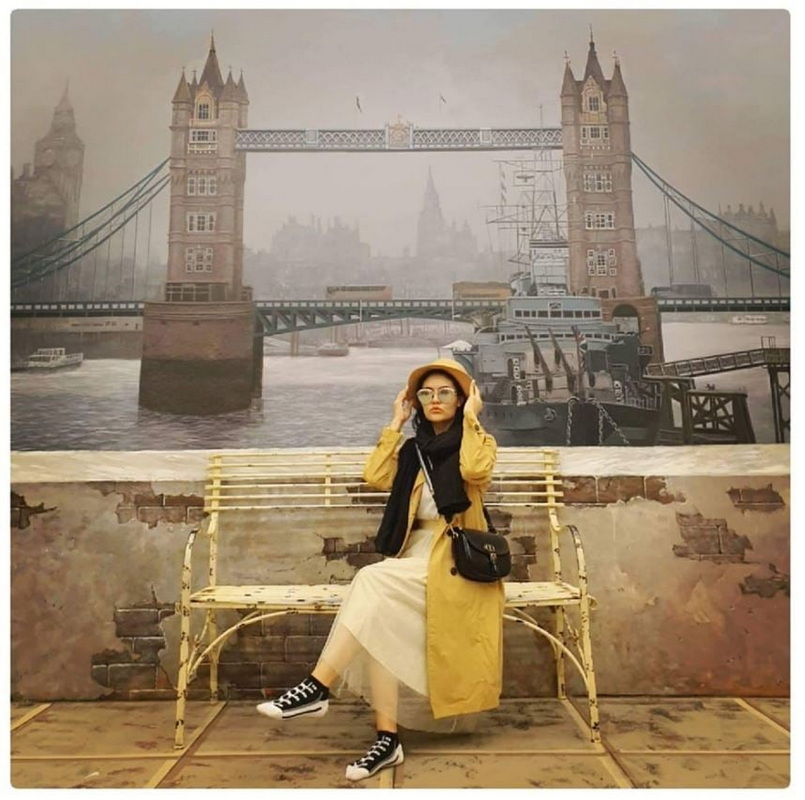
Woman sitting on a bench with a London mural behind her, wearing sunglasses and a yellow coat at Art in Paradise Chiang Mai.

Tour operators often include these attractions in their day tour packages, making it easier for visitors to experience multiple highlights without the hassle of arranging separate transport or entry.

Practical Visitor Considerations and Logistics

Planning a visit to Art in Paradise Chiang Mai through a Chiangmai tour operator can greatly ease the logistical aspects of your trip. Operators typically coordinate transportation from central Chiang Mai locations, ensuring timely arrivals and departures. This is particularly helpful for visitors unfamiliar with local transit options or those who prefer a stress-free day.

Visitors should consider the timing of their visit, as Art in Paradise can be busy during weekends and holidays. Booking tours in advance through reputable operators can help secure preferred time slots and avoid long waiting times. Many tours also provide knowledgeable guides who enrich the visit by explaining the background and techniques behind the artworks.

When combining visits with nearby attractions like San Kamphaeng Hot Springs or Tube Trek Water Park, it is important to allocate sufficient time for each to avoid rushing. Tour operators assist in crafting itineraries that balance activities based on visitor preferences and pace.

Additionally, travelers should prepare for varying weather conditions. While Art in Paradise is indoors and climate-controlled, nearby outdoor sites may require sun protection, comfortable footwear, and hydration. Tour operators often provide guidance on what to bring and how to dress appropriately for the day’s activities.

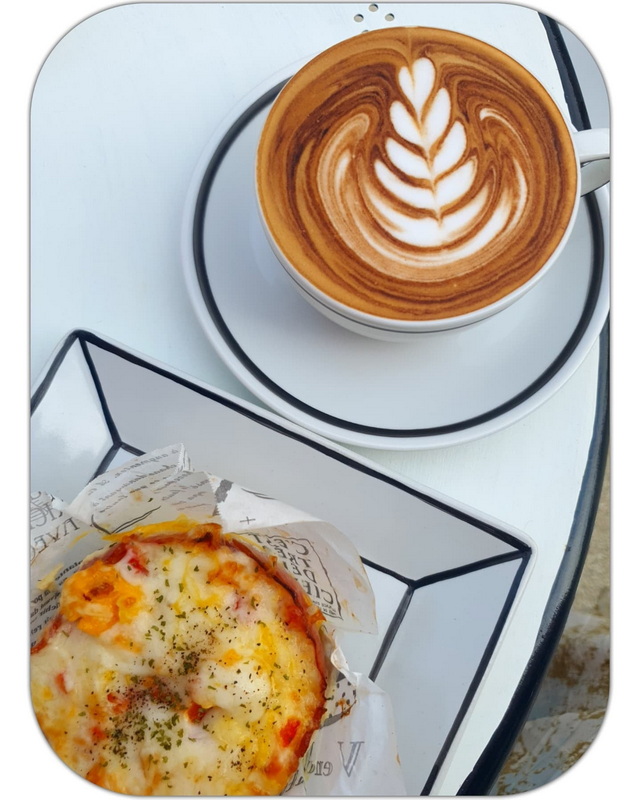
Coffee with latte art and a small pizza on a white table at Art in Paradise Chiang Mai.

Choosing the Best Chiang Mai Tour Operators for Your Needs

Selecting a reliable Chiang Mai tour operator is key to a successful visit to Art in Paradise and surrounding attractions. Prospective visitors should look for operators with positive reviews, clear communication, and transparent service descriptions. Many operators specialize in different types of tours, so identifying your priorities—such as cultural focus, family-friendly options, or active excursions—can help narrow the choices.

Local operators who demonstrate strong connections to the community often provide more authentic experiences and support sustainable tourism. They may also offer flexible tour arrangements tailored to individual or small group needs.

It is advisable to inquire about the level of guide expertise, group sizes, and included amenities when booking. Some operators provide multilingual guides, which can be particularly helpful for international visitors seeking deeper understanding without language barriers.

Ultimately, working with a tour operator who respects visitor preferences and cultural sensitivities ensures a comfortable and enriching journey through Chiang Mai’s diverse attractions.

Nearby Attractions

San Kamphaeng Hot Springs

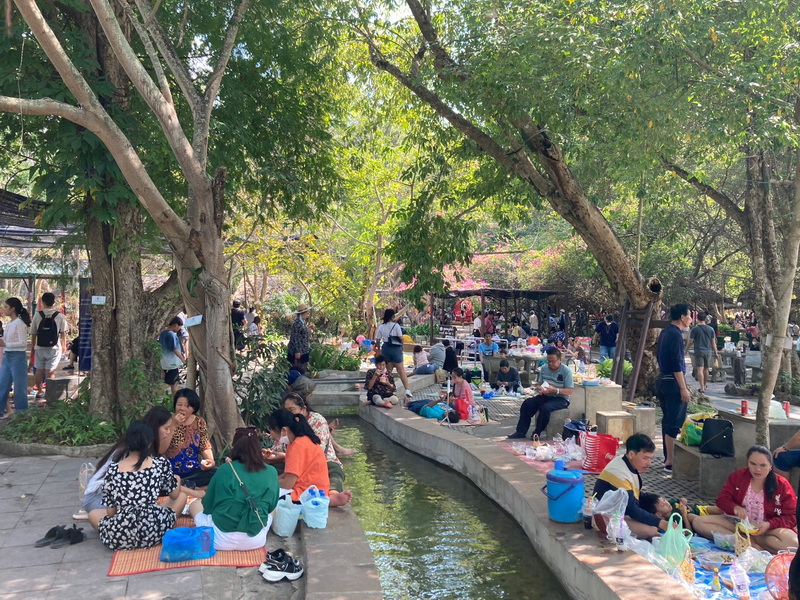
People enjoying a picnic by a water feature beneath large trees in a park at San Kamphaeng Hot Springs.

San Kamphaeng Hot Springs is a natural thermal area located within easy reach of Chiang Mai city. It features a series of hot mineral pools where visitors can soak and enjoy the therapeutic benefits of the warm waters. The setting is peaceful, surrounded by greenery and well-maintained facilities that enhance visitor comfort.

The hot springs area also includes walking paths and picnic areas, making it suitable for a relaxed day trip. It offers a serene environment that contrasts nicely with the vibrant and interactive atmosphere of Art in Paradise. Visitors often appreciate the chance to unwind here after exploring the city’s cultural and artistic sites.

Tube Trek Water Park

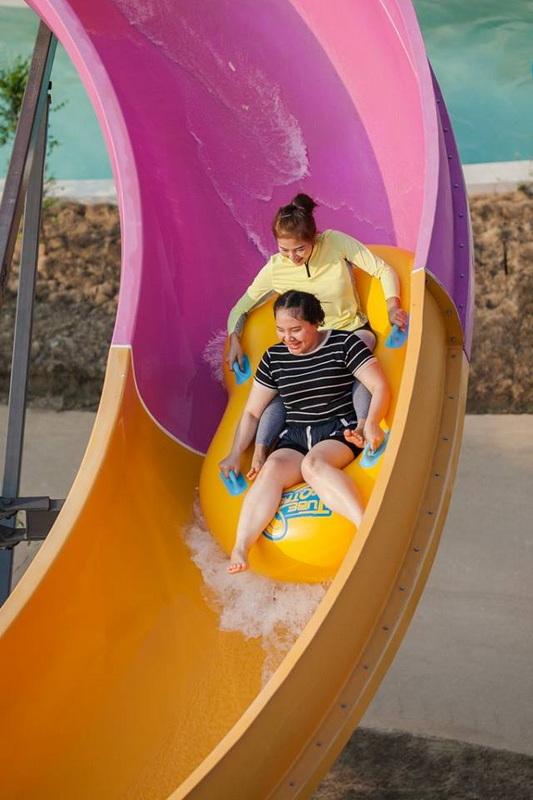
Two women sliding down a pink water slide on an inflatable tube, smiling at Tube Trek Water Park.

Tube Trek Water Park offers an exciting outdoor experience with a variety of water-based activities designed for all ages. The park features floating obstacle courses, water slides, and tubing areas, providing active fun in a safe and supervised environment.

This attraction is especially popular among families and groups looking to combine recreational excitement with other cultural visits in Chiang Mai. The park’s tropical setting and refreshing water features make it a popular escape from the city heat, complementing the indoor artistic experience found at Art in Paradise.

Planning Your Visit

Visiting Art in Paradise Chiang Mai becomes even more rewarding when combined with the expertise of local Chiangmai tour operators. Their knowledge and logistical support enable travelers to navigate the city’s attractions with ease, making the most of their time and interests. Including nearby natural and recreational sites like San Kamphaeng Hot Springs and Tube Trek Water Park adds variety and depth to any itinerary. With thoughtful planning and the right guidance, your visit to Art in Paradise and its surroundings can be a seamless and memorable part of your Chiang Mai adventure.

Monday, October 19, 2026

Exploring Doi Khun Tan National Park in Northern Thailand with Focus on Chiang Mai Travel Package and Khuntan National Park

Exploring Doi Khun Tan National Park in Northern Thailand with Focus on Chiang Mai Travel Package and Khuntan National Park

Understanding travel package terminology and the role of Khuntan National Park in northern Thailand’s natural attractions

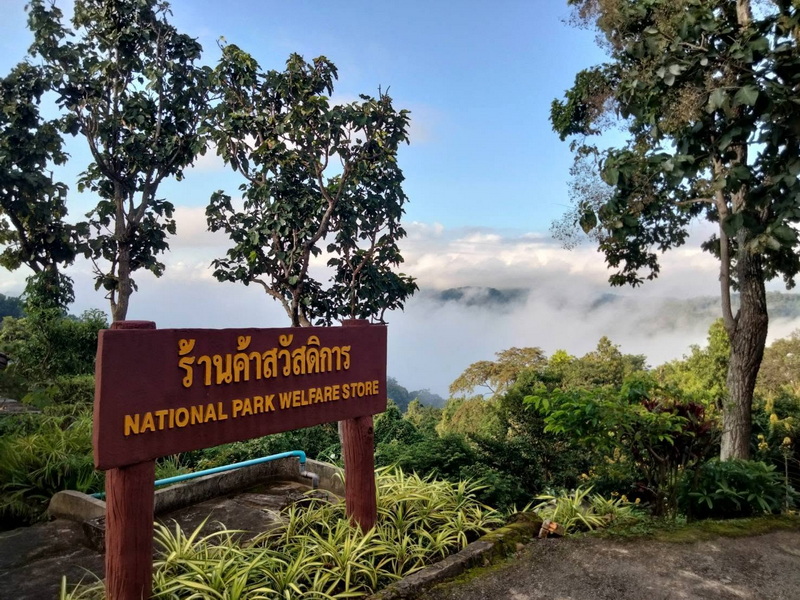
Wooden sign in front of trees with mountain and mist in background at Doi Khun Tan National Park.

Northern Thailand is renowned for its rich natural landscapes, and among its many protected areas, National Parks in the North of Thailand stand out as prime destinations for travelers seeking outdoor experiences. These parks offer a mix of dense forests, mountainous terrain, and diverse wildlife, making them essential stops for nature lovers and adventure seekers alike. One such park, Doi Khun Tan National Park, located in Mae Tha District, Lamphun, exemplifies the natural beauty and ecological significance that attracts visitors to this region. When planning a visit to this area, understanding the concept of a Chiang Mai Travel Package becomes important. Travel packages in this context refer to curated combinations of services and experiences designed to simplify trip planning. They often include transportation, guided tours, accommodation, and access to attractions like Khuntan National Park. This terminology clarifies how travelers can efficiently explore northern Thailand’s parks without the complexity of arranging each element independently. Khuntan National Park, also known as Doi Khun Tan National Park, plays a pivotal role within these travel packages. Its accessibility from Chiang Mai and unique natural features make it a frequent highlight in travel itineraries. This article aims to clarify travel package terminology while exploring the park’s relevance to travelers considering their options in northern Thailand’s protected areas.

Overview of National Parks in the North of Thailand

Northern Thailand is home to an array of national parks, each offering distinct environments and experiences. These parks protect vast areas of forest, mountains, and wildlife habitats, contributing to conservation efforts and sustainable tourism. Among the most notable are Doi Inthanon, known for being the highest peak in Thailand, and Doi Khun Tan National Park, which is celebrated for its scenic trails and rich biodiversity.

Group of people wading in a shallow river amid lush trees and rocks at National Parks in the North of Thailand.

Doi Khun Tan National Park, situated in Mae Tha District, Lamphun, is particularly valued for its natural beauty and peaceful atmosphere. The park features evergreen forests, waterfalls, and a variety of flora and fauna. Visitors often encounter diverse bird species and enjoy hiking opportunities along well-maintained trails. The park’s location near Chiang Mai makes it an accessible destination for travelers seeking a blend of nature and convenience.

These parks collectively form part of the larger network of protected areas in northern Thailand, which aim to preserve the region’s ecological heritage while providing recreational opportunities for visitors. Their varied landscapes offer something for everyone, from casual nature walks to more challenging treks.
Clarifying Travel Package Terminology

The term 'travel package' is commonly used in tourism but can vary in meaning depending on the context. In northern Thailand, a Chiang Mai Travel Package typically refers to a pre-arranged set of travel services bundled together for convenience. These packages often include transportation, accommodation, guided park visits, and sometimes meals or additional activities.

Understanding this terminology helps travelers differentiate between various ways of organizing a trip. Unlike booking individual components separately, travel packages provide a streamlined approach, reducing the complexity of planning and often offering cost efficiencies. They also help travelers access popular destinations like Khuntan National Park with ease, as these packages are designed to incorporate key attractions efficiently.

It is important to note that while the term 'travel package' implies a combination of services, it does not specify the exact offerings or pricing, which can vary widely. The focus here is on the concept and how it relates to travel planning in northern Thailand.

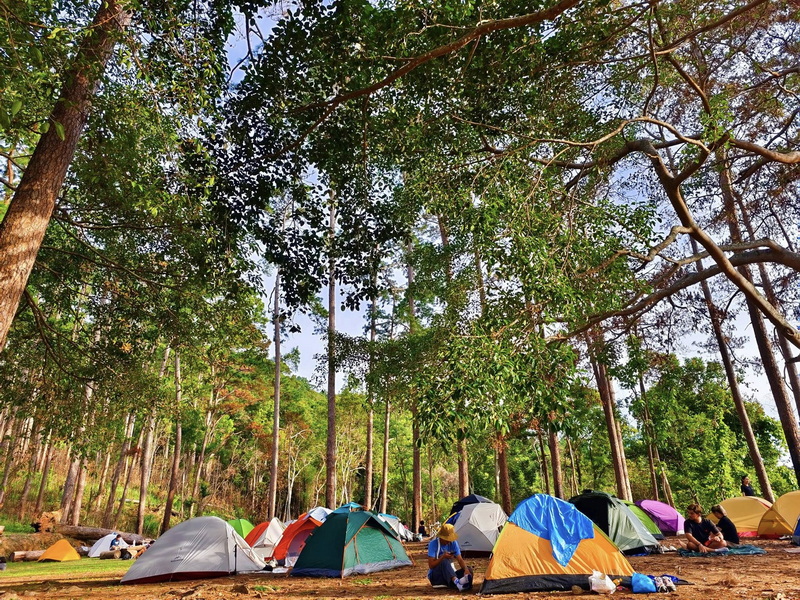
Tents pitched in a forest clearing with tall trees and lush greenery around at Doi Khun Tan National Park.

The Role of Khuntan National Park in Travel Packages

Khuntan National Park, also referred to as Doi Khun Tan National Park, holds a significant position in northern Thailand’s travel packages due to its proximity to Chiang Mai and its appealing natural environment. The park’s features, including its well-known hiking trails, waterfalls, and diverse wildlife, make it an attractive destination for package organizers aiming to offer authentic nature experiences.

Travel packages often highlight Khuntan National Park as a key attraction, allowing visitors to experience the park’s serene landscapes without the need for complicated logistics. The park’s facilities, such as campsites and visitor centers, support organized tours and contribute to its suitability within travel packages.

By including Khuntan National Park in a Chiang Mai Travel Package, providers can offer a balanced itinerary that combines cultural, urban, and natural elements, meeting the expectations of travelers interested in comprehensive northern Thailand exploration.

Travel Planning Considerations for Northern Parks

When planning a visit to northern Thailand’s national parks, it is useful to consider how travel packages can enhance the experience. Packages simplify arrangements, especially for those unfamiliar with the region or those who prefer organized itineraries. However, travelers should assess what each package includes to ensure it aligns with their interests and expectations.

Key considerations include the duration of the package, the specific parks covered, the type of accommodation provided, and the balance between guided activities and free time. Since Khuntan National Park is often included in these packages, understanding its offerings helps travelers anticipate the kind of experience they will have, such as hiking difficulty, wildlife viewing opportunities, and available facilities.

Clear night sky showing stars and the Milky Way galaxy at Doi Khun Tan National Park.

Additionally, travelers may want to consider the environmental impact of their visit and choose packages that promote responsible tourism practices, supporting conservation and local communities.

Summary of Travel Package Context in Northern Thailand

In summary, National Parks in the North of Thailand represent some of the region’s most treasured natural assets, with Doi Khun Tan National Park being a standout example. Travel packages branded as Chiang Mai Travel Packages serve as practical tools for visitors to access these parks with convenience and structure.

Clarifying the travel package terminology helps travelers make informed decisions and better understand how Khuntan National Park fits into broader travel planning. While packages vary widely, their common purpose is to facilitate exploration while reducing logistical challenges.

Ultimately, travelers interested in northern Thailand’s natural beauty will find that incorporating parks like Khuntan into their itineraries, whether independently or through travel packages, enriches their experience and deepens their connection to the region’s environment.

Planning Your Visit

Exploring northern Thailand’s national parks through the lens of travel packages offers a practical approach to experiencing the region’s natural wonders. Khuntan National Park, with its scenic trails and ecological richness, exemplifies the kind of destination well suited to these packaged experiences. By understanding travel package terminology and how it relates to park visits, travelers can confidently plan their trips with clarity and ease. This approach not only supports efficient travel planning but also encourages appreciation for the protected landscapes that define northern Thailand’s unique character.

Sunday, October 18, 2026

Exploring Santichon Village and Sights in Mae Hong Son with Private Tours

Exploring Santichon Village and Sights in Mae Hong Son with Private Tours

Discover personalized private tours from Chiang Mai highlighting cultural insights and natural attractions in Mae Hong Son

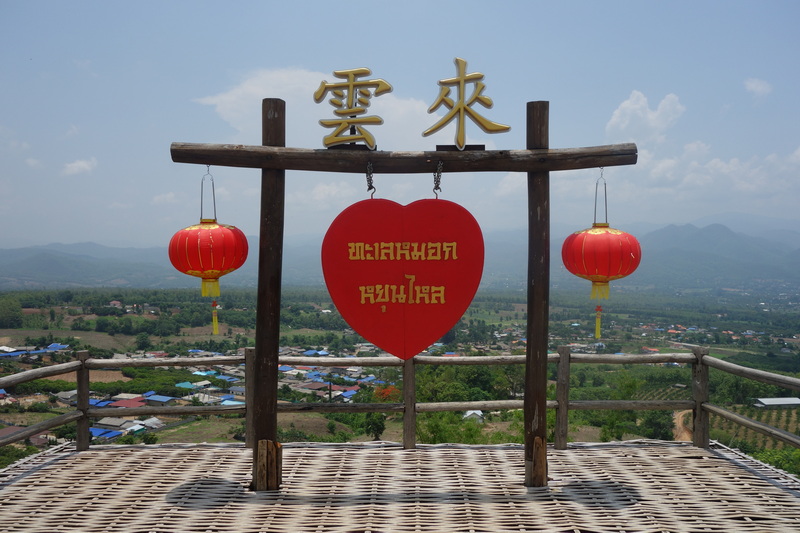
Wooden viewpoint sign with lanterns and heart shape overlooking fields and mountains at Santichon Village.

Mae Hong Son Province in northern Thailand offers a rich tapestry of cultural heritage and natural beauty, making it a compelling destination for travelers seeking unique and personalized experiences. Among its many attractions, Santichon Village stands out as a living testament to the Chinese Yunnan cultural influence that has shaped this region. Nestled in Pai District, Santichon Village invites visitors to explore traditional customs, cuisine, and handicrafts in an authentic village setting. For those traveling from Chiang Mai, private Mae Hong Son tours provide flexible and intimate ways to experience these sights, allowing for deeper cultural engagement and tailored itineraries. Beyond Santichon Village, the surrounding landscape boasts serene temples and natural hot springs, enriching the journey with spiritual and rejuvenating stops. This article explores the highlights of Mae Hong Son suitable for private tours, focusing on the cultural significance of the Chinese Yunnan Village and nearby attractions that complement a visit to Santichon Village.

Overview of Sights in Mae Hong Son for Private Tours

Mae Hong Son Province is renowned for its mountainous landscapes, diverse ethnic communities, and tranquil atmosphere. The region’s sights are well-suited for travelers interested in immersive experiences rather than crowded tourist spots. Key locations include ancient temples, scenic viewpoints, and cultural villages, each offering a glimpse into the local way of life and history. Travelers researching Private Mae Hong Son Tour From Chiang Mai can use these details when planning the trip.

Temple complex with colorful roofs, stone steps, and decorative elements under a bright sky at Mae Hong Son.

Private tours from Chiang Mai allow visitors to move at their own pace, choosing stops that resonate personally. This flexibility is especially valuable in Mae Hong Son, where many attractions are spread out and benefit from thoughtful exploration. Whether visiting temples perched on hillsides or wandering through traditional villages, private tours provide the opportunity for meaningful interaction with local guides and residents.

Santichon Village, also known as the Chinese Yunnan Village, is one of the most distinctive cultural sites in the area. It represents the heritage of Chinese settlers from Yunnan province, who brought their customs, architecture, and cuisine to northern Thailand decades ago. The village’s peaceful environment and authentic cultural offerings make it a highlight for those seeking deeper understanding beyond the typical sightseeing itinerary.

Private Mae Hong Son Tour From Chiang Mai: Personalized Travel Experiences

Travelers departing from Chiang Mai often choose private tours to Mae Hong Son to maximize comfort and customization. These tours can be tailored to include specific interests such as cultural exploration, nature hikes, or visits to local markets. A private tour ensures that the schedule can accommodate leisurely stops and spontaneous detours, which are often the most rewarding parts of a journey.

The road from Chiang Mai to Mae Hong Son is scenic but winding, making private transportation a practical choice for safety and convenience. Along the way, guides can share insights about the region’s geography and history, enriching the travel experience. Upon arrival, visitors can explore Santichon Village at their own rhythm, engaging with artisans and tasting traditional Yunnanese dishes prepared using recipes passed down through generations.

Woman rides a pony with a child in front of colorful structures and castle wall at Santichon Village.

Private tours also facilitate visits to lesser-known attractions and allow for culturally sensitive experiences. Guides familiar with the Chinese Yunnan Village can provide context about the community’s origins and current lifestyle, helping travelers appreciate the living traditions without reducing them to mere spectacles.

Cultural Heritage of the Chinese Yunnan Village in Pai

Santichon Village is a vibrant enclave preserving the customs of Chinese immigrants from Yunnan who settled in northern Thailand many decades ago. The village offers a rare window into traditional Yunnanese culture, including architectural styles, dress, and festivals. Visitors will find wooden houses with distinctive tiled roofs and communal spaces that foster a strong sense of community.

Food is a central aspect of the village’s cultural identity. Local families prepare dishes that blend Chinese and northern Thai influences, such as hand-pulled noodles and tea brewed from Yunnanese leaves. Sharing a meal here is both a culinary and cultural experience, often accompanied by stories of migration and adaptation.

The village also hosts craft demonstrations where visitors can observe the making of traditional textiles, pottery, and other artisan goods. These activities not only preserve heritage but also provide sustainable income for the community. Respectful participation in these cultural practices supports the dignity and continuity of living traditions.

Colorful courtyard with lanterns, stone steps, and traditional buildings under blue sky at Santichon Village.

Santichon Village thus embodies a dynamic cultural heritage rather than a static museum exhibit. Its residents maintain a delicate balance between welcoming visitors and protecting their way of life, making it an important stop for travelers seeking meaningful cultural engagement.

Nearby Attractions Enhancing the Santichon Village Experience

Complementing a visit to Santichon Village are several nearby attractions that offer additional layers of cultural and natural interest. Among these, Wat Phra That Mae Yen stands out as a serene hilltop temple providing panoramic views of Pai and the surrounding valleys. The temple’s peaceful atmosphere invites reflection and offers insight into the spiritual traditions of the region.

A short drive from the village leads to Sai Ngam Hot Spring, a natural geothermal site where visitors can relax in warm mineral waters. This attraction is especially appreciated after a day of sightseeing, offering both physical rejuvenation and a chance to connect with the area's natural environment.

Together, these nearby sites create a well-rounded itinerary for private tour travelers. They combine cultural depth with natural beauty, allowing visitors to experience the diversity of Mae Hong Son’s attractions without feeling rushed. The proximity of these locations to Santichon Village makes them convenient additions to any personalized travel plan.

Nearby Attractions

Wat Phra That Mae Yen

Golden temple with spires and ornate details under a blue sky at Wat Phra That Mae Yen.

Wat Phra That Mae Yen is a notable temple located on a hill overlooking Pai town. It is revered for its large white chedi and tranquil surroundings that draw both pilgrims and tourists. The temple offers sweeping views of the Pai valley, making it a popular spot for sunrise and sunset visits.

The temple complex is accessible by a staircase lined with naga serpent statues, symbolizing protection and spiritual guardianship. Visitors can observe local worship practices and appreciate the simple yet elegant northern Thai temple architecture. The site’s peaceful ambiance provides a contemplative break from the busier areas of Pai.

Respectful behavior is encouraged while visiting, as Wat Phra That Mae Yen remains an active religious site. Its educational value lies in offering insight into Buddhist traditions in Mae Hong Son, complementing the cultural exploration of the Chinese Yunnan Village.

Sai Ngam Hot Spring

A clear stream winding through lush green trees and fallen branches in water at Sai Ngam Hot Spring.

Sai Ngam Hot Spring is a natural geothermal area located a short distance from Santichon Village. The warm waters flow through a forested setting, creating a soothing environment for relaxation and wellness. Visitors often soak their feet or bathe in the pools to experience the therapeutic properties attributed to the mineral-rich springs.

The site is well maintained and provides basic amenities while preserving its natural character. It is a favored stop for travelers seeking to unwind after exploring the cultural and mountainous sights of Mae Hong Son Province.

Sai Ngam Hot Spring offers a peaceful complement to the cultural immersion at Santichon Village, allowing visitors to connect with the region’s natural resources and traditional healing practices.

Planning Your Visit

Exploring Santichon Village and the surrounding sights in Mae Hong Son through a private tour from Chiang Mai offers travelers a unique opportunity to engage deeply with the region’s rich cultural heritage and natural beauty. This approach to travel respects local traditions while providing space for personal discovery and meaningful interactions. Whether wandering the lanes of the Chinese Yunnan Village, reflecting at Wat Phra That Mae Yen, or relaxing in Sai Ngam Hot Spring, visitors can craft an itinerary that truly reflects their interests and pace. Such personalized experiences not only enrich the traveler but also support the preservation and dignity of the communities they encounter.

Zoo Attractions and Day Trips Around Snake Farm Chiang Mai

Zoo Attractions and Day Trips Around Snake Farm Chiang Mai

Explore top zoo attractions and nearby natural excursions for a memorable day trip in Mae Rim District

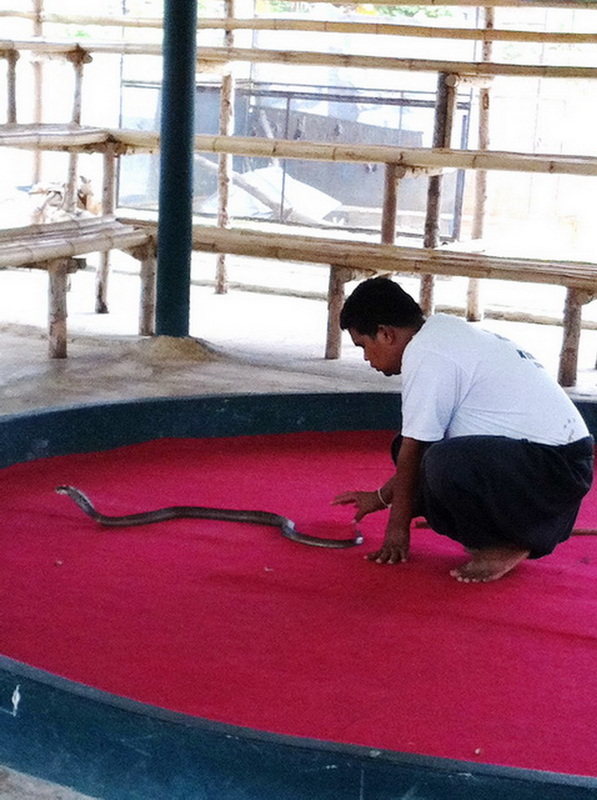
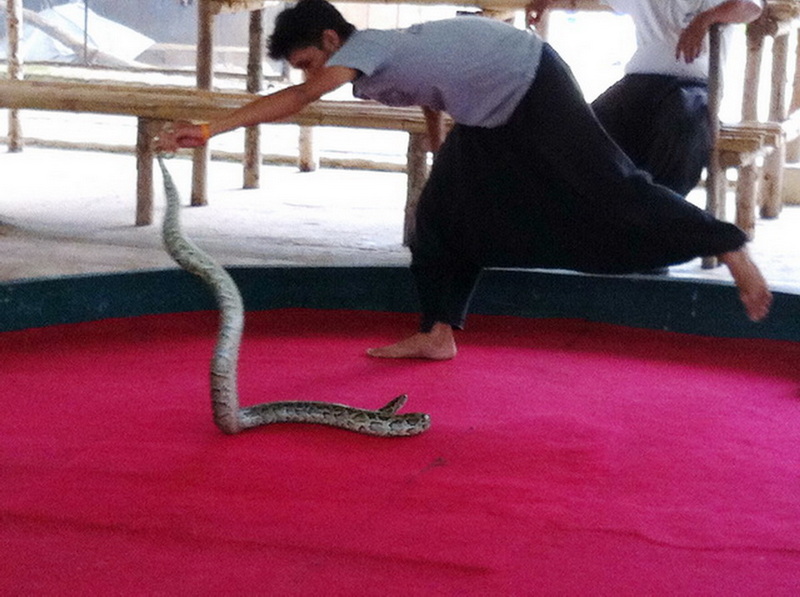
Man crouching on a red mat inside an enclosure with a snake stretching out at Snake Farm Chiang Mai.

Nestled in the scenic Mae Rim District of Chiang Mai, the Snake Farm Chiang Mai offers a unique glimpse into the fascinating world of reptiles, making it a standout destination among Zoo Attractions Chiang Mai. This attraction is ideal for visitors looking to combine wildlife encounters with broader day trip experiences around Chiang Mai. Whether you are a nature enthusiast or planning a Chiangmai Tour, the Snake Farm provides an educational and engaging stop that pairs well with other nearby natural sites. Chiang Mai Day Trips And Sightseeing often highlight the diversity of wildlife and natural beauty in the region. The Snake Farm Chiang Mai stands out not only for its extensive collection of snake species but also for its role in educating visitors about reptile conservation and safety. Planning a day trip here allows tourists to immerse themselves in local fauna before continuing on to other attractions such as the nearby Orchid Farms and the stunning Mae Sa Waterfall. This article offers practical insights for day trip tourists and excursion planners eager to make the most of their time around Snake Farm Chiang Mai.

Overview of Snake Farm Chiang Mai

The Snake Farm Chiang Mai, located in Mae Rim District, is a well-established animal farm specializing in various snake species native to Thailand and beyond. It serves both as a conservation center and an educational facility, offering visitors the chance to learn about venomous and non-venomous snakes through guided tours and live demonstrations. The farm's focus on safety and awareness makes it suitable for a wide range of visitors, including families and individual travelers interested in wildlife.

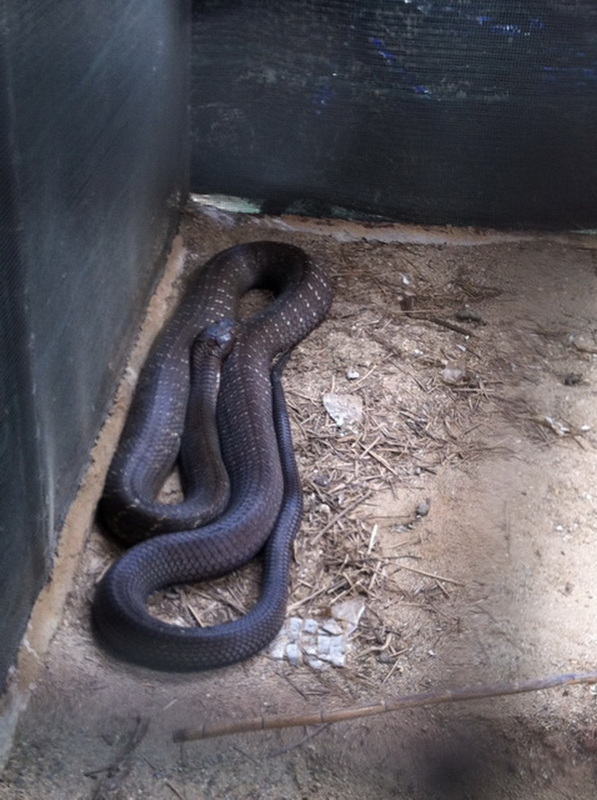
Visitors to the Snake Farm can expect to see an impressive collection of snakes, including cobras, pythons, and vipers, housed in well-maintained enclosures that prioritize the animals' welfare. The farm also provides informative sessions on snakebite prevention and first aid, which add an important educational dimension to the visit. This attraction is a prime example of Zoo Attractions Chiang Mai that combine entertainment with responsible wildlife education.

Exploring Zoo Attractions in Chiang Mai

Chiang Mai is home to several notable zoo and animal farm attractions that appeal to diverse interests. Beyond the Snake Farm, travelers often include stops like the Tiger Kingdom and the Siam Insect Zoo in their itineraries, highlighting the region’s rich biodiversity. These attractions provide different perspectives on animal life, from large mammals to insects, complementing the reptile-focused experience at the Snake Farm.

Black snake coiled on dirt ground inside an enclosure with dark walls at Snake Farm Chiang Mai.

When planning a Chiangmai Tour, combining multiple zoo attractions offers a well-rounded wildlife experience. Each destination emphasizes conservation and education, making them suitable for visitors seeking meaningful interactions with animals. The variety of species and habitats across these sites reflects the ecological diversity of Northern Thailand and enriches the overall day trip experience.

Day Trips and Excursions Near Snake Farm Chiang Mai

The area surrounding the Snake Farm Chiang Mai is rich with natural and cultural attractions that make excellent additions to a day trip itinerary. Notably, the Chiang Mai Orchid Farms offer a vibrant display of exotic flowers and a peaceful setting for nature lovers. Visitors can stroll through beautifully arranged gardens and learn about orchid cultivation, which is a significant agricultural activity in the region.

Another must-visit nearby spot is Mae Sa Waterfall, located within a lush forested area. The waterfall provides a refreshing escape and opportunities for light hiking, picnicking, and wildlife spotting. Incorporating these natural sites with a visit to the Snake Farm creates a balanced day of wildlife observation and outdoor relaxation, ideal for those looking to experience Chiang Mai Day Trips And Sightseeing beyond urban centers.

Person handling a snake on a red circular platform indoors with another person nearby at Snake Farm Chiang Mai.

Planning Practical and Enjoyable Day Trips in Mae Rim District

When organizing a day trip around Snake Farm Chiang Mai, timing and route planning are essential to maximize the experience. Starting early in the morning is advisable to avoid midday heat and to allocate sufficient time for each attraction. Since the Snake Farm and nearby sites like the Orchid Farms and Mae Sa Waterfall are relatively close, visitors can comfortably visit all three in a single day.

Travelers should also consider the physical demands of each site. The Snake Farm involves walking through enclosures and attending demonstrations, while Mae Sa Waterfall may require moderate hiking. Bringing appropriate footwear, water, and sun protection will enhance comfort throughout the day. Local eateries and refreshment stops are available near these attractions, allowing for convenient breaks during the tour.

For those interested in guided experiences, local operators offer Chiangmai Tours that include transportation and commentary, providing additional insights into the region’s wildlife and culture. However, independent travelers can also enjoy well-marked routes and visitor information at each attraction, enabling flexible and personalized day trip planning.

A boy interacting with a large snake inside an indoor enclosure with glass walls at Snake Farm Chiang Mai.

Visitor Recommendations for a Rewarding Experience

To make the most of your visit to Snake Farm Chiang Mai and the surrounding attractions, it is recommended to allocate at least half a day at the farm itself. This allows time to fully engage with the educational presentations and observe the animals at a relaxed pace. Photography is generally permitted, but visitors should respect animal welfare guidelines and avoid disturbing the snakes or other wildlife.

Combining the Snake Farm with visits to the Chiang Mai Orchid Farms and Mae Sa Waterfall offers a varied itinerary that balances animal encounters with natural beauty. This approach caters well to families, solo travelers, and groups interested in both wildlife and outdoor sightseeing.

Lastly, visitors are encouraged to approach these attractions with respect for local conservation efforts and cultural sensitivities. Observing animals without interference and following posted guidelines ensures a safe and rewarding experience for all.

Nearby Attractions

Chiang Mai Orchid Farms

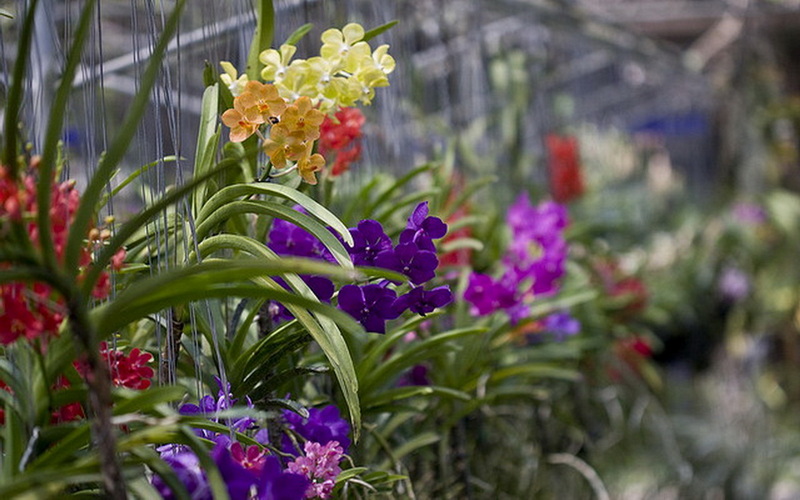
Vivid orchids blooming in a greenhouse with lush green leaves and a mesh ceiling at Chiang Mai Orchid Farms.

The Chiang Mai Orchid Farms near Mae Rim District are renowned for their extensive collections of tropical orchids and other exotic plants. These farms provide a colorful and fragrant environment where visitors can learn about orchid propagation and cultivation methods unique to Northern Thailand’s climate.

Walking through the orchid gardens offers a peaceful retreat amid nature, and the farms often include small shops selling locally grown plants and related products. The farms complement a visit to the Snake Farm by highlighting another aspect of the region’s rich biodiversity and agricultural heritage.

Mae Sa Waterfall

Small waterfall flowing over rocks into a pool amid dense trees at Mae Sa Waterfall.

Mae Sa Waterfall is a picturesque natural attraction located within a forested park area, offering multiple tiers of cascading water that create serene pools ideal for relaxation. The site includes walking trails of varying difficulty, picnic areas, and opportunities to observe local flora and fauna in a natural setting.

This waterfall is a popular destination for day trip tourists seeking a break from city life and a chance to connect with Northern Thailand’s lush landscapes. Visiting Mae Sa Waterfall alongside the Snake Farm Chiang Mai provides a refreshing contrast between wildlife education and outdoor adventure.

Planning Your Visit

Planning a day trip that includes the Snake Farm Chiang Mai along with nearby natural attractions like the Orchid Farms and Mae Sa Waterfall offers a diverse and fulfilling experience. This combination allows visitors to appreciate both the unique wildlife of Thailand and the stunning natural landscapes that surround Mae Rim District. By considering practical tips and respecting local conservation practices, travelers can enjoy a safe, educational, and memorable excursion. Whether you are embarking on a Chiangmai Tour or simply exploring Chiang Mai Day Trips And Sightseeing options, the Snake Farm and its neighboring sites provide a compelling itinerary that enriches your understanding of the region’s natural heritage.