Ban Ja Boe and the Mountain Sights of Mae Hong Son
A scenic guide to village surroundings, changing mountain terrain, and thoughtful multi-day trekking in northern Thailand
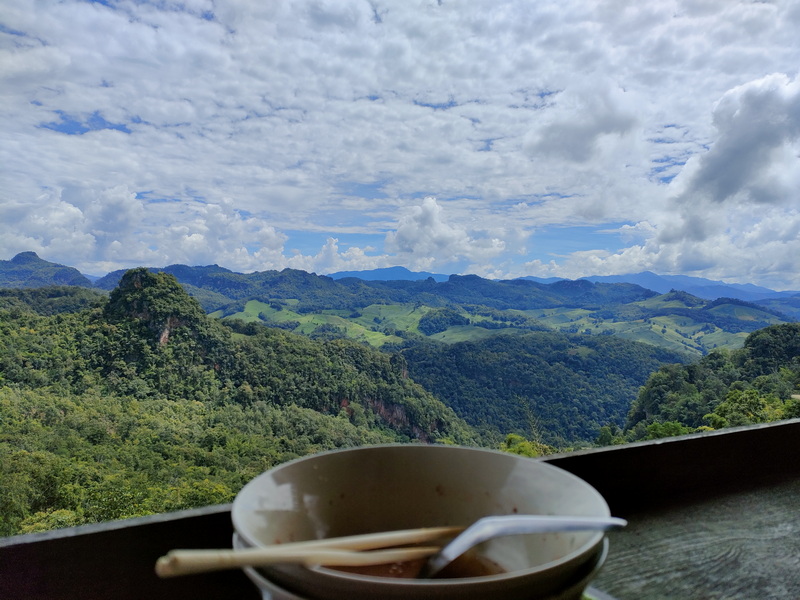
In the folded mountains of Pang Mapha District, Ban Ja Boe offers a different way to experience Mae Hong Son. The village setting is part of the attraction, but the wider landscape gives the visit its sense of scale: ridgelines overlap in the distance, cultivated slopes meet forest, and narrow roads reveal changing views around bends. Rather than treating the area as a single viewpoint, visitors can understand it as a base for observing how village life, upland nature, and footpaths connect. The appeal is especially strong for trekkers who want more than a brief walk. Routes in this part of the province may pass through forest, open farmland, steep hillsides, and small settlements, creating a varied experience over several days. Conditions and route choices depend on local knowledge and season, so the most responsible approach is to plan with people familiar with the area and to travel with patience. This guide focuses on the scenery, terrain, nearby contrasts, and practical preparation that can make a longer journey near Baan Ja Boe Village more rewarding.
Mountain Scenery Around Ban Ja Boe
Ban Ja Boe sits within the dramatic upland environment of Mae Hong Son Province, where limestone country, forested hills, and narrow valleys shape the views. The scenery is not uniform. From one stretch of road or trail, the eye may find a broad ridge; from another, it may look down into a small agricultural valley or across a patchwork of cultivated ground. These varied views are among the Sights in Mae Hong Son that reward travelers who take time to look beyond a single landmark. This variety is one reason the village works well as a starting point for a landscape-focused visit.
Morning and late afternoon can bring especially clear impressions of the terrain, although visibility is never guaranteed. Mist may soften distant ridges, while strong sunlight can emphasize the folds and shadows of the hills. During the green season, vegetation gives the slopes a fuller appearance, whereas drier months can reveal more texture in fields and grassland. These seasonal differences make the same region feel noticeably different without requiring a change of destination.
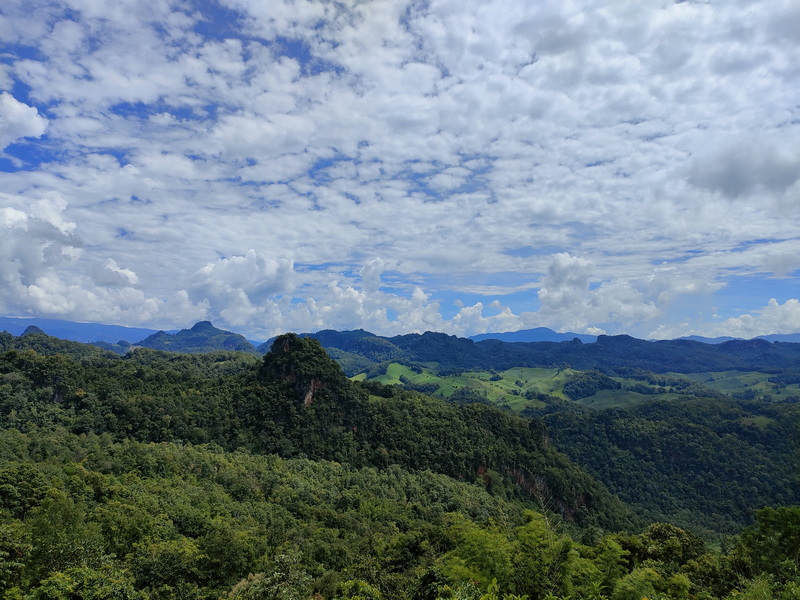
The natural setting also rewards slower observation. A trekker may notice birdsong, bamboo, exposed rock, streams, or evidence of farming before reaching any dramatic landmark. Such details help explain the environment more honestly than a single scenic photograph. The hills are living landscapes, not empty wilderness, and paths may pass close to working fields or homes. Visitors should keep voices low near settlements, avoid entering cultivated areas, and ask before photographing people or private spaces.
Planning a Multi-Day Trekking Experience
Multi Day Trekking Mae Hong Son near Ban Ja Boe is best understood as a flexible style of journey rather than one fixed route. A longer walk can link forest paths, ridges, valleys, and villages, with the exact direction shaped by local conditions and the interests of the group. Some travelers may prefer a gradual route through changing landscapes, while experienced hikers may be drawn to steeper terrain and longer days. A local guide can help match ambitions with realistic conditions.
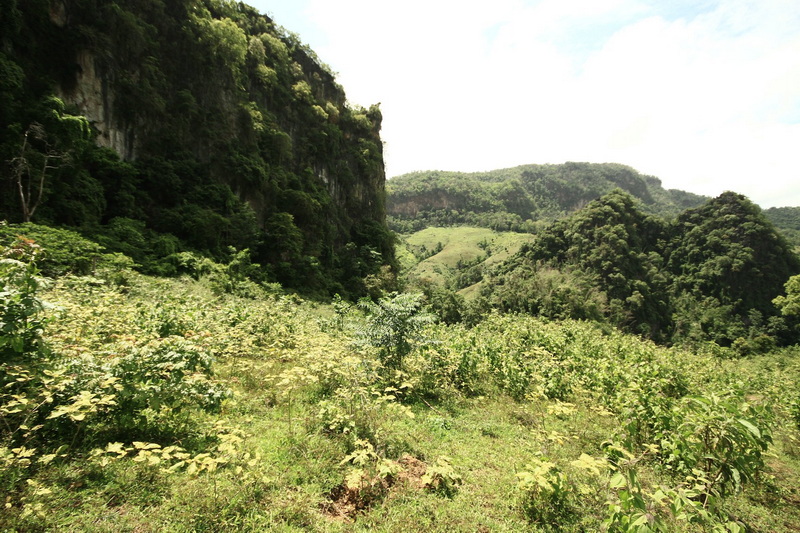
The environment demands respect. Trails may become slippery after rain, and steep ground can be tiring even when distances appear short on a map. Rocky sections, uneven steps, exposed slopes, and stream crossings may all occur depending on the route. In the dry season, heat and dust can be significant; in wetter periods, mud and reduced visibility may affect progress. Trekkers should allow time for rests, carry water and essential personal supplies, and avoid judging difficulty from photographs alone.
A multi-day journey also changes the meaning of distance. Walking between settlements is not simply a sightseeing exercise; it may follow paths used for farming, transport, or everyday community life. A responsible group keeps to agreed routes, leaves gates and fences as found, and does not collect plants, rocks, or other local materials. Using local guiding knowledge supports safer travel and recognizes that communities possess expertise about the land that cannot be replaced by a generic trail description.
For visitors considering a longer trek, preparation should include comfortable footwear with reliable grip, light rain protection, sun protection, insect precautions, a refillable water container, and a small first-aid kit. Pack lightly enough to walk safely, but carry any medication and personal essentials that cannot be easily replaced. It is also wise to discuss fitness, dietary needs, communication expectations, and cultural boundaries before setting out. Routes should remain adaptable rather than being treated as promises of a particular view or encounter.
Landscapes Beyond the Village
The strongest longer journeys near Ban Ja Boe are shaped by contrast: a village setting can lead into forest, farmland, and other mountain communities. Two nearby places offer that wider perspective while keeping local life at the center of the experience.
Ban Pha Mon
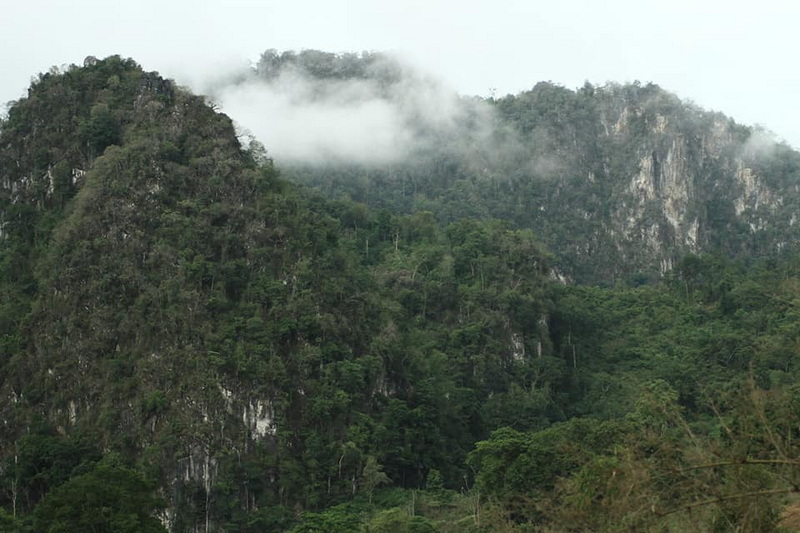
Ban Pha Mon provides a useful village and landscape comparison for travelers exploring the mountain communities around Pang Mapha. Its setting helps place Ban Ja Boe within a broader network of rural settlements rather than viewing it in isolation. Depending on the chosen approach, the journey may reveal more cultivated slopes, forest edges, and changing ridge perspectives. Visitors should treat the community as a lived-in place, ask before taking photographs, and follow local guidance about where they may walk.
For trekkers, the value of including Ban Pha Mon is the change of rhythm. A route that begins with open views may move into more sheltered terrain, while a village stop can offer time to rest and observe ordinary patterns of work. It is best approached without assuming that every visitor activity or path is available at all times. Local advice remains important because weather, farming activity, and trail conditions can affect how the area is experienced.
Ban Muang Pam
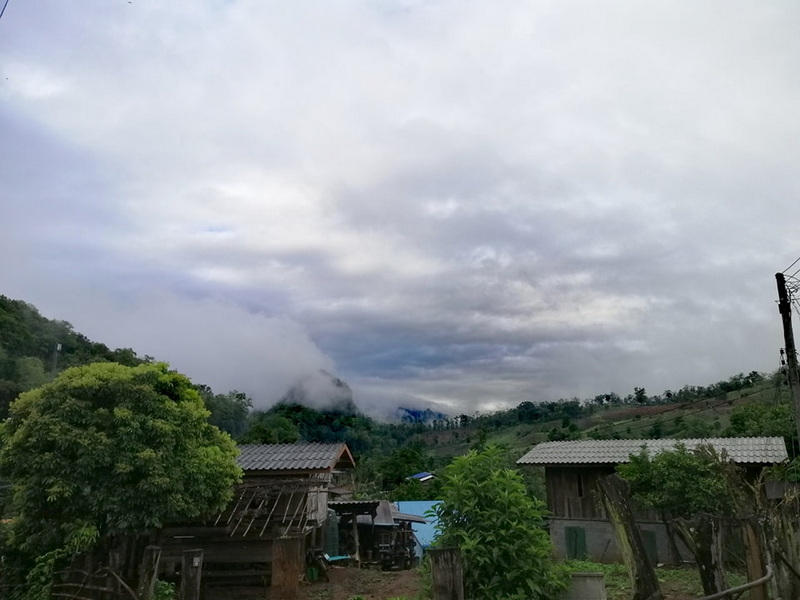
Ban Muang Pam adds another perspective on the rural scenery of Mae Hong Son. The surrounding hills, agricultural spaces, and settlement patterns show how travel through Pang Mapha can combine nature with community context. For visitors building a longer walking journey, the area may serve as a point of comparison with the terrain around Ban Ja Boe, although a suitable route should be confirmed rather than assumed.
The most rewarding visit is unhurried. Look across the valley, notice the relationship between forest and cultivated ground, and give residents room to continue their daily routines. If a local guide explains a custom, place name, or land-use practice, listen without turning the exchange into a spectacle. This combination of attentive walking and respectful observation makes the nearby village part of a deeper regional experience.
Two Nearby Landscapes to Add Contrast
The wider Pang Mapha area becomes more meaningful when the village landscape is considered alongside nearby places with different natural character. The following stops can add contrast to a trekking-focused visit, but they should be approached as separate experiences rather than rushed checkmarks. Travel times and access conditions can vary, so visitors should confirm current information locally before making a detailed plan.
Reading the Village and Environment Responsibly
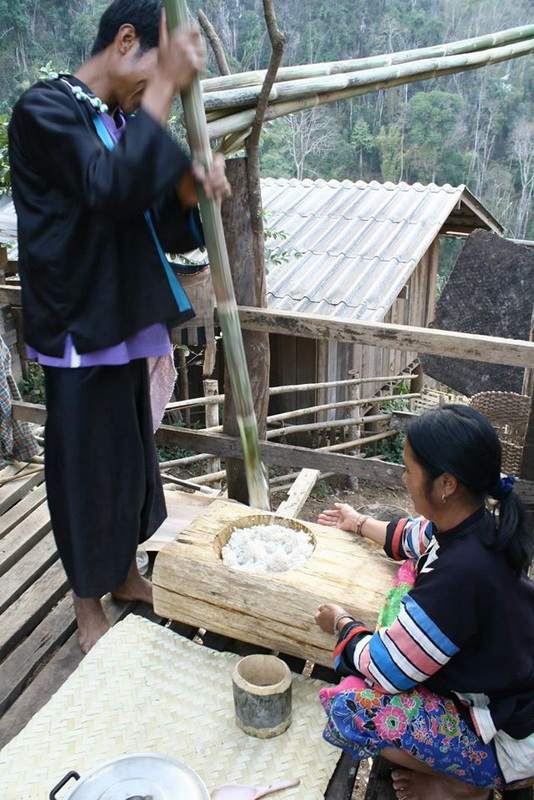
Baan Ja Boe Village is a living community, not a performance staged for visitors. Its cultural value lies in the continuity of everyday life, local relationships, and knowledge of the surrounding mountains. Travelers can show respect by asking permission before taking photographs, dressing appropriately for village settings, and accepting that some homes, ceremonies, or personal activities are private. Curiosity is welcome when it is expressed with humility rather than expectation.
The same attitude applies to the natural environment. Carrying rubbish out, limiting single-use plastic, staying on established paths, and avoiding loud behavior are simple ways to reduce pressure on the landscape. Trekkers should not feed wildlife or assume that an animal sighting is part of the experience. They should also be considerate around water sources and farmland, especially where these support daily community needs.
A thoughtful visit combines scenery with attention. Pause to understand whether a path is public, notice how cultivation fits into the hills, and listen when a local guide explains a place or custom. Purchases made from local producers or community businesses can contribute more directly to village livelihoods than treating the area only as a backdrop. The goal is not to collect an exotic impression, but to leave with a clearer sense of how people and landscape coexist in Mae Hong Son.
Let the Mountains Set the Pace
Ban Ja Boe rewards visitors who allow the landscape to unfold gradually. Its ridges, village paths, cultivated hills, and nearby communities create a richer experience than a quick scenic stop can provide. A multi-day trek can deepen that connection, provided it is planned with local knowledge, realistic expectations, and respect for the people who live in these mountains. Walk carefully, observe generously, and let the journey remain flexible enough for the character of Mae Hong Son to emerge.
